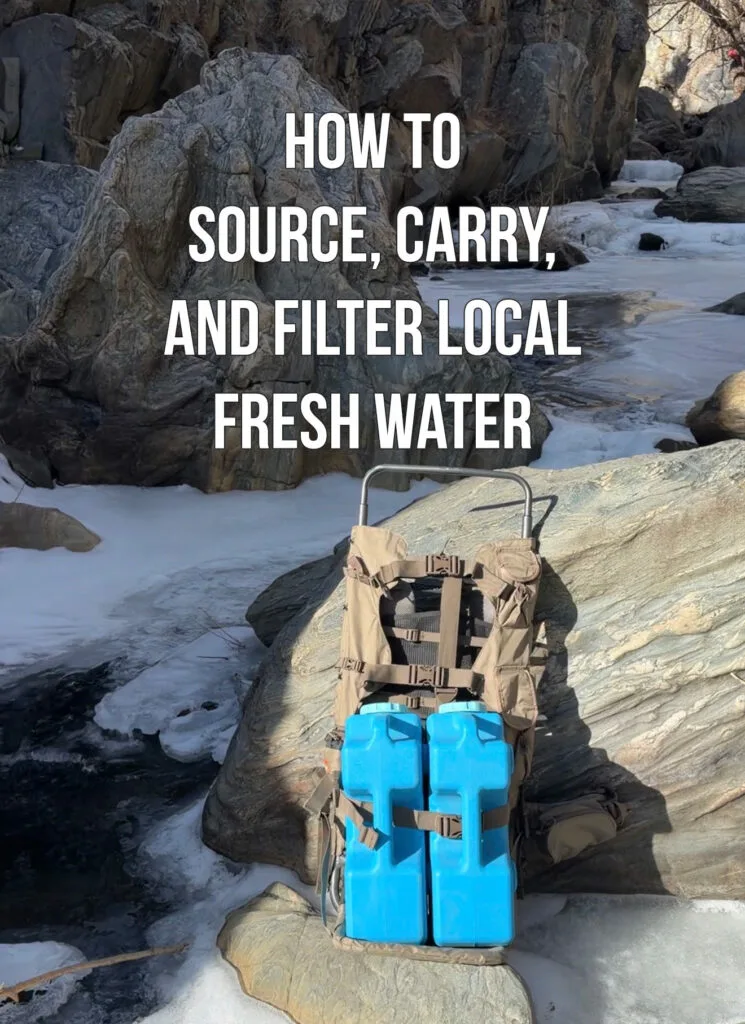
A Practical Preparedness Guide
Water is the first real dependency problem people face when systems fail. Food shortages take time. Power outages are inconvenient. Water loss becomes a crisis fast.

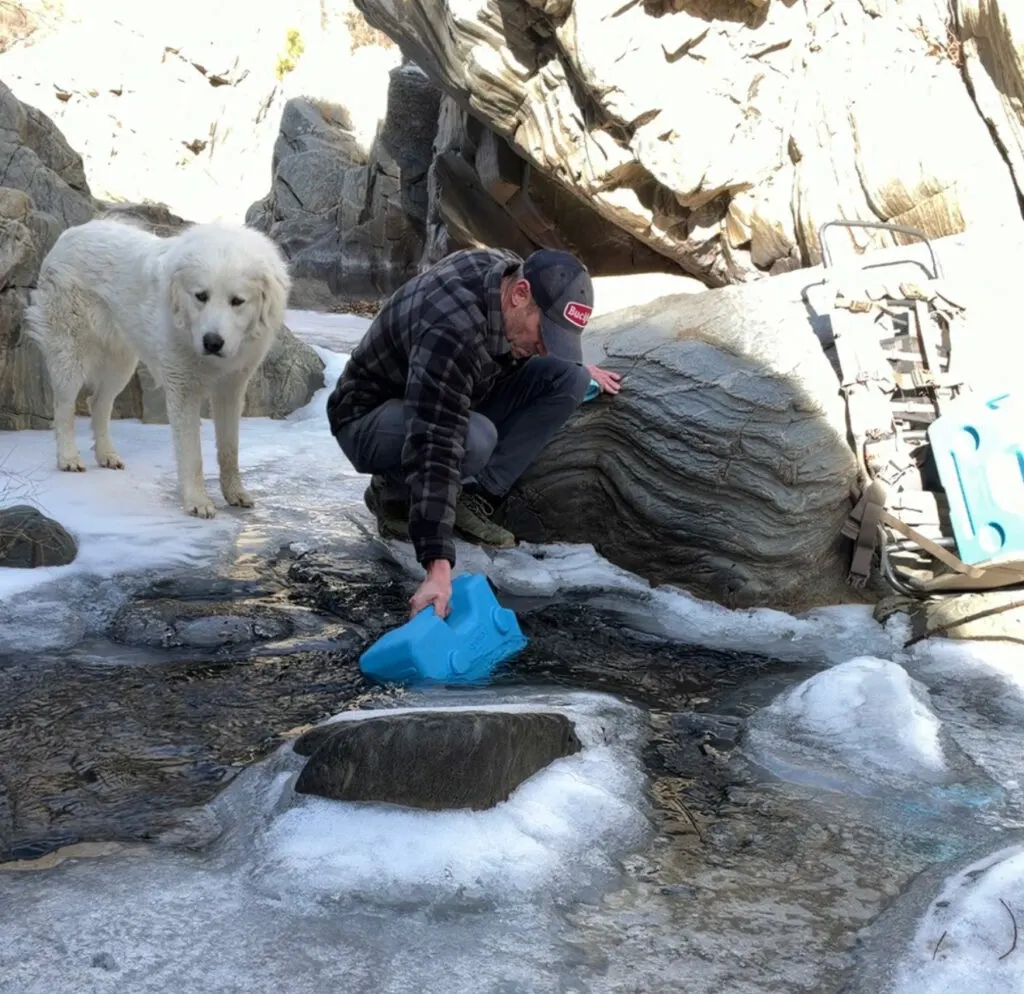
Municipal water depends on electricity, chemicals, pumping stations, and uninterrupted logistics. When any one of those breaks, pressure drops or supply stops. Local freshwater sources often remain available. The skill gap is not finding water. It’s moving usable quantities safely and turning that water into something you can actually drink.
This guide covers a realistic, repeatable system that works before and during disruption.
Step One: Getting Water From a Local Source
Why local sourcing matters
If you can physically access a river, creek, lake, irrigation canal, or spring, you’re not dependent on bottled water, trucks, or treatment plants. You’re relying on geography and your own ability.
Local sourcing works because:
- It doesn’t require power
- It scales with effort
- It works short term and long term
- It’s repeatable instead of finite
The limiting factor is weight. Water weighs roughly eight and a half pounds per gallon. That reality dictates everything else in this system.
Step Two: Carrying Water Home
Why a frame pack changes everything
Trying to hand carry water wastes energy and limits volume. A frame pack transfers weight to your hips and keeps the load stable. That’s the difference between one painful trip and a system you can repeat.
Budget option
Search Marketplace for a used hunting frame pack. Older external frame packs were built to haul meat and awkward loads. They’re often cheap because they’re not trendy.
Cheap and new
Walmart sells basic external frame packs that work. They’re not lifetime gear, but they’ll move water.
Best long term option
If you want something you can rely on for water hauling, hunting, and heavy load transport, Eberlestock stands out.
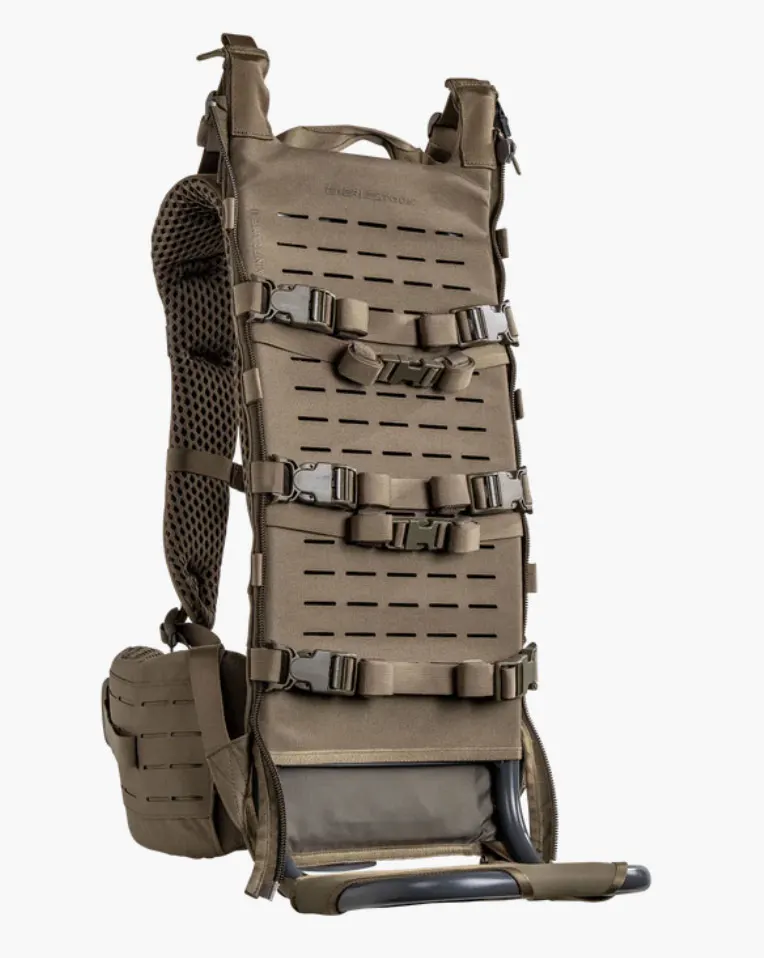
The Eberlestock Mainframe II is built for dense, heavy loads and irregular cargo. Water containers strap cleanly to it, weight rides correctly, and it holds up to repeated use. If you hunt or plan to, it serves more than one role, which matters in preparedness.
Click on the link above or the image below and the link will auto apply a discount code.

Step Three: Choosing Containers That Actually Work
Why most water containers fail here
Most containers are designed for storage, not movement. They roll, flex, or shift under load. You want containers that stay put and don’t fight you while walking.
Recommended container
Sagan Life makes one of the few containers that works well for both transport and storage.
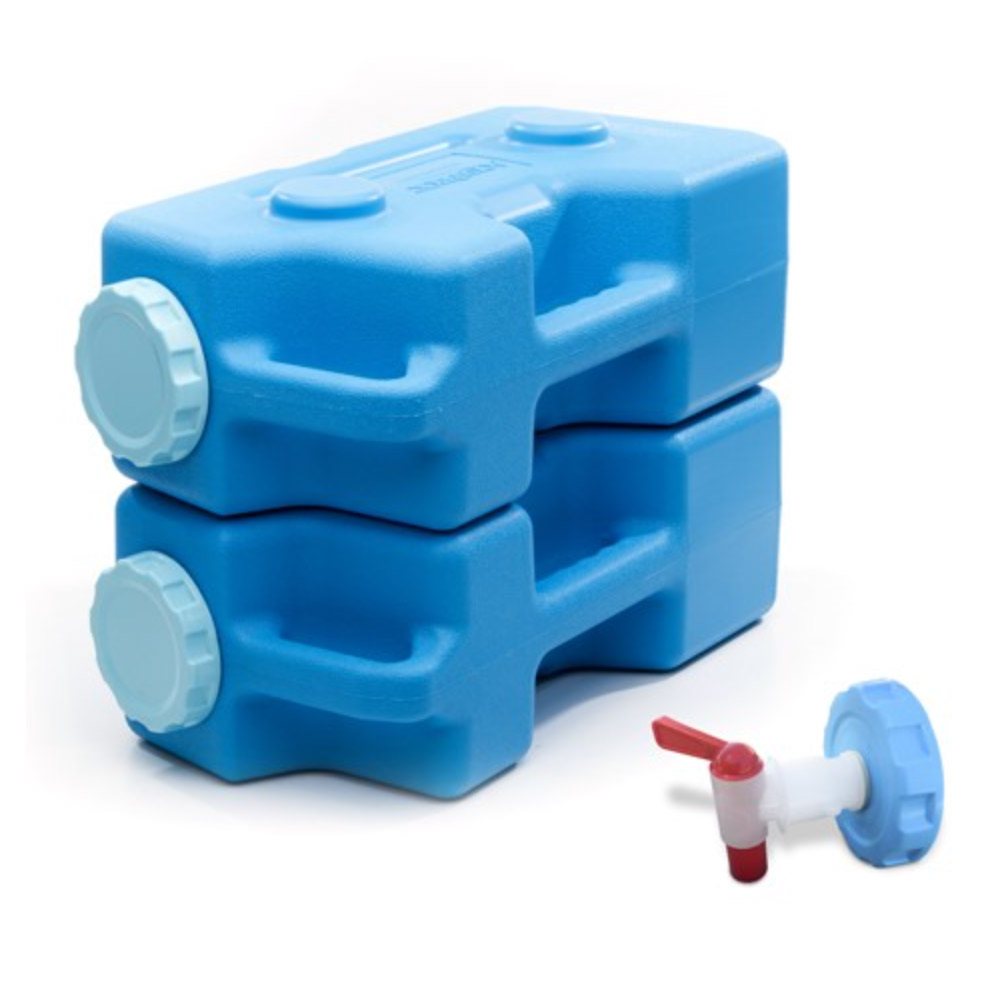
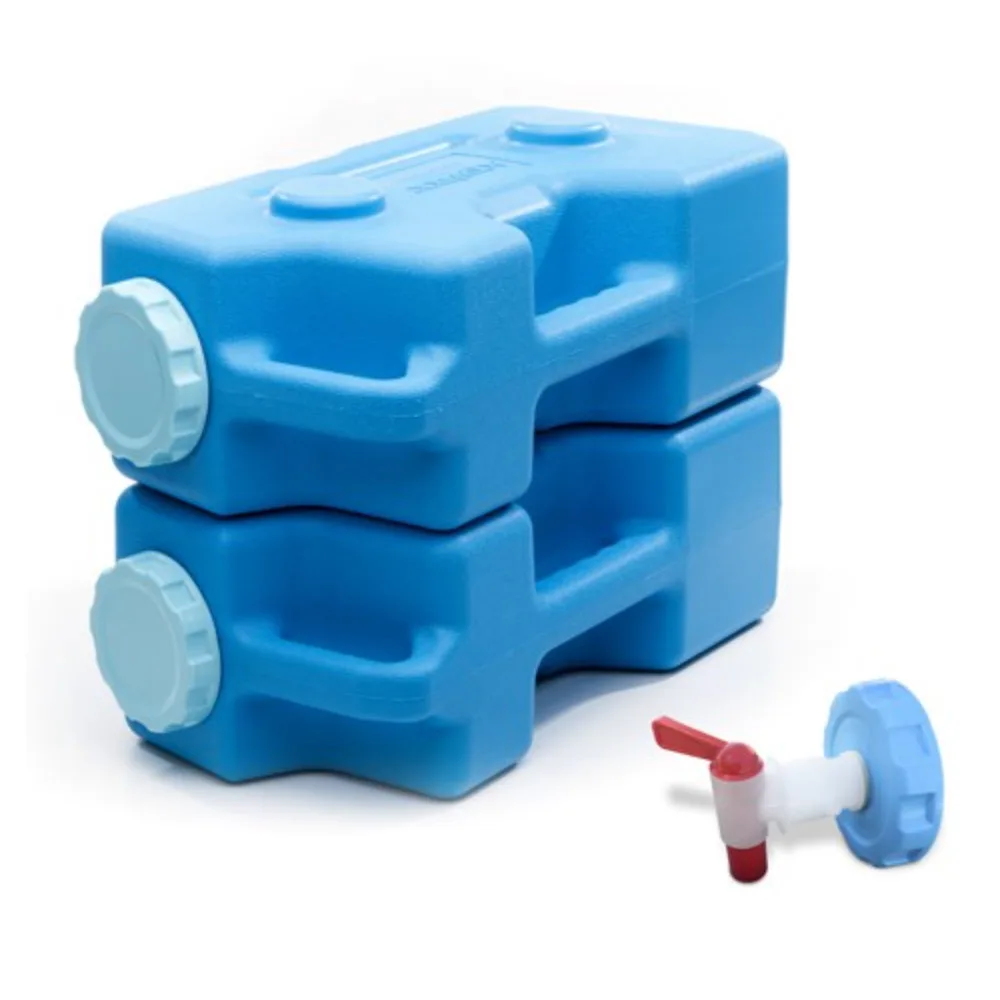
The AquaBrick holds three gallons. That weight is heavy but manageable. The shape matters more than the volume.
Why they work:
- Flat sides strap tightly
- Handles make loading easier
- Rigid walls don’t collapse
- Stackable once home
Two bricks equals six gallons. That’s about fifty pounds of water. With a proper frame pack, that’s realistic for short to moderate distances.
Step Four: Securing the Load
Stability saves energy
A loose load drains strength fast. Water needs to ride high, tight, and centered. That’s what keeps your back from doing unnecessary work.
Basic webbing straps work (what’s already on your pack). Modular straps work too.
Strap solution
MODL Outdoors offers a flexible option that fits preparedness well, loads of variations on use.
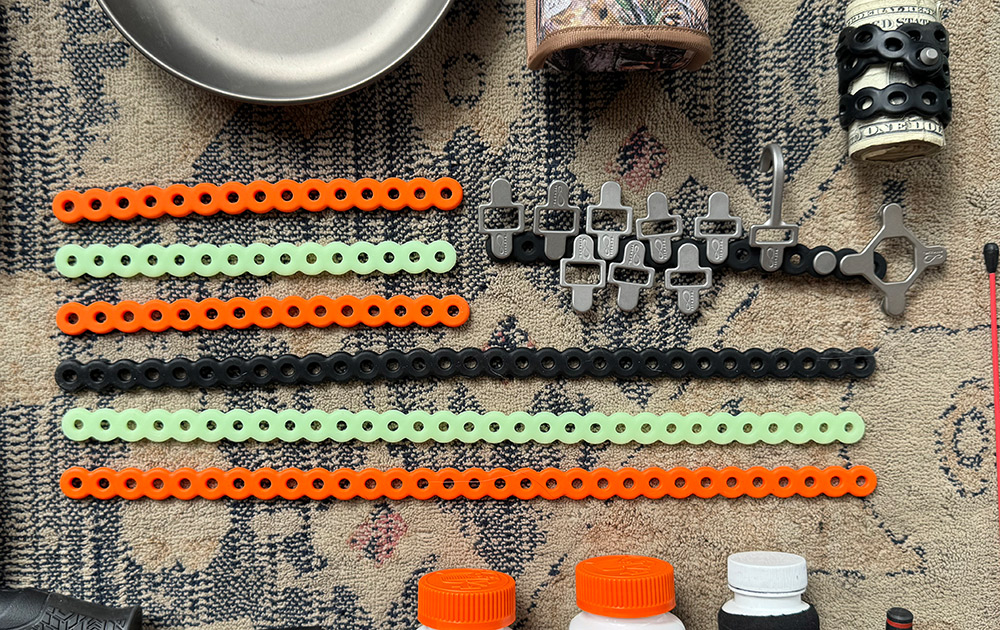
The Infinity ToolKit lets you secure containers tightly, adjust on the fly, and reuse the straps for other gear. It avoids single purpose equipment, which is always a win.
You might also want to check out: Building the Ultimate Bug-Out Bag: Practical Gear That Actually Works


Step Five: Filtering Once the Water Is Home
Transport doesn’t make water safe
Moving water solves access. It doesn’t solve contamination. Surface water needs filtration before drinking, cooking, or brushing teeth.
Budget filtration path
Search Marketplace for a used gravity system like a Berkey style unit. Many people bought them and never used them. Even heavily used systems will last a VERY long time.
Replace the filters. Don’t rely on unknown history.
Filter recommendation
BOROUX makes high quality gravity filter elements.
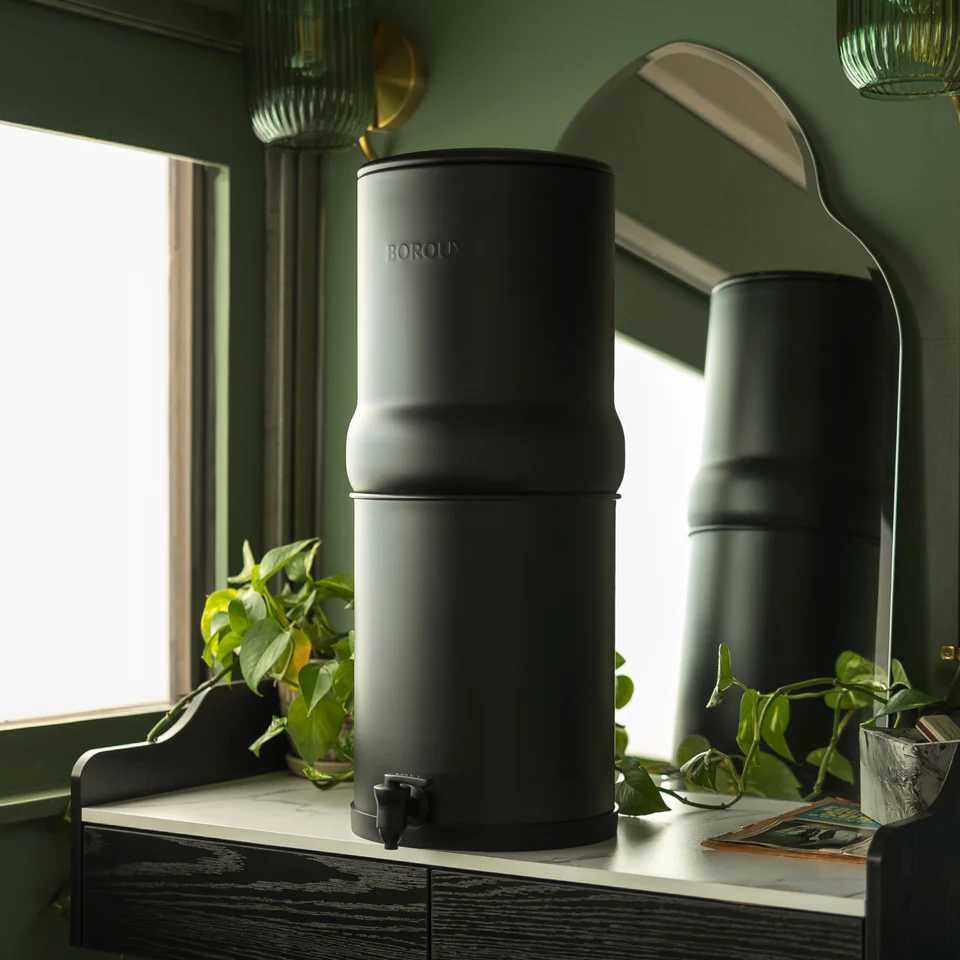
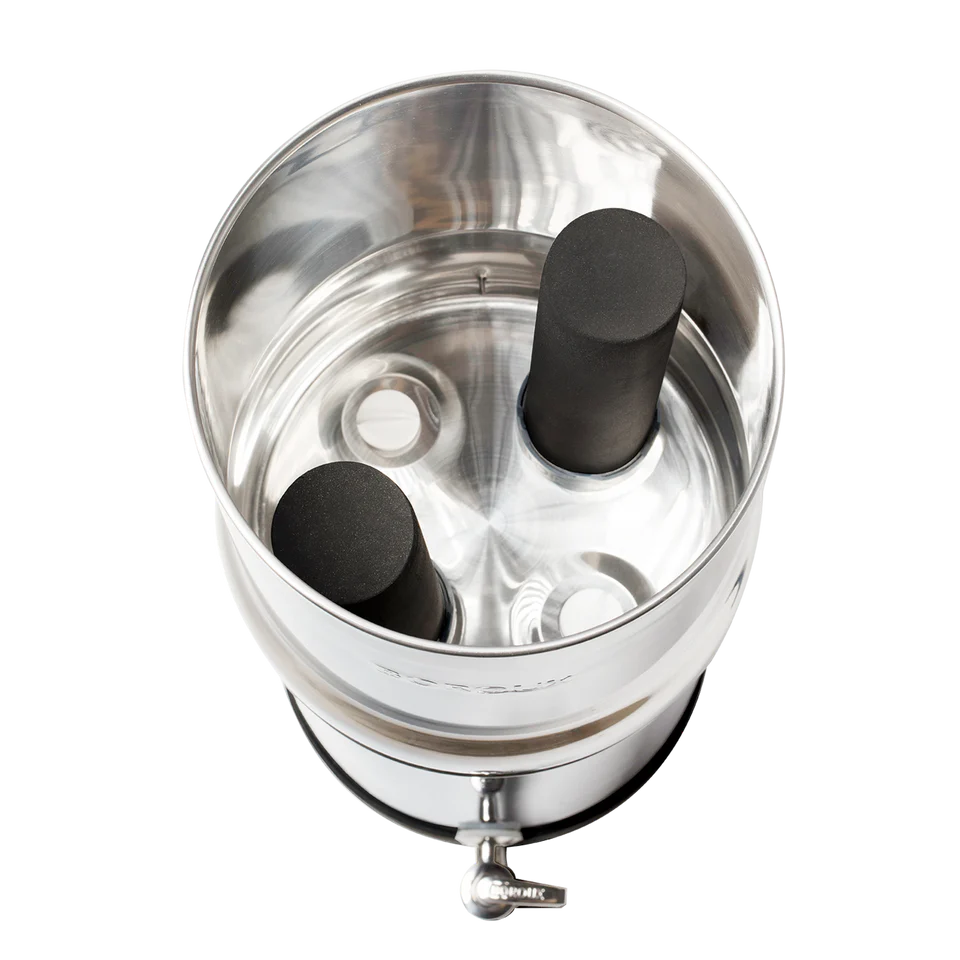
The BOROUX Foundation Filter fits Berkey style housings and provides strong contaminant reduction without electricity. This route keeps cost down while performance stays high.
My overview: The Best Gravity Water Filter System for Preparedness and Everyday Use
Best in Class New System
If you want a new, complete, no compromise tabletop system, BOROUX is the top pick.
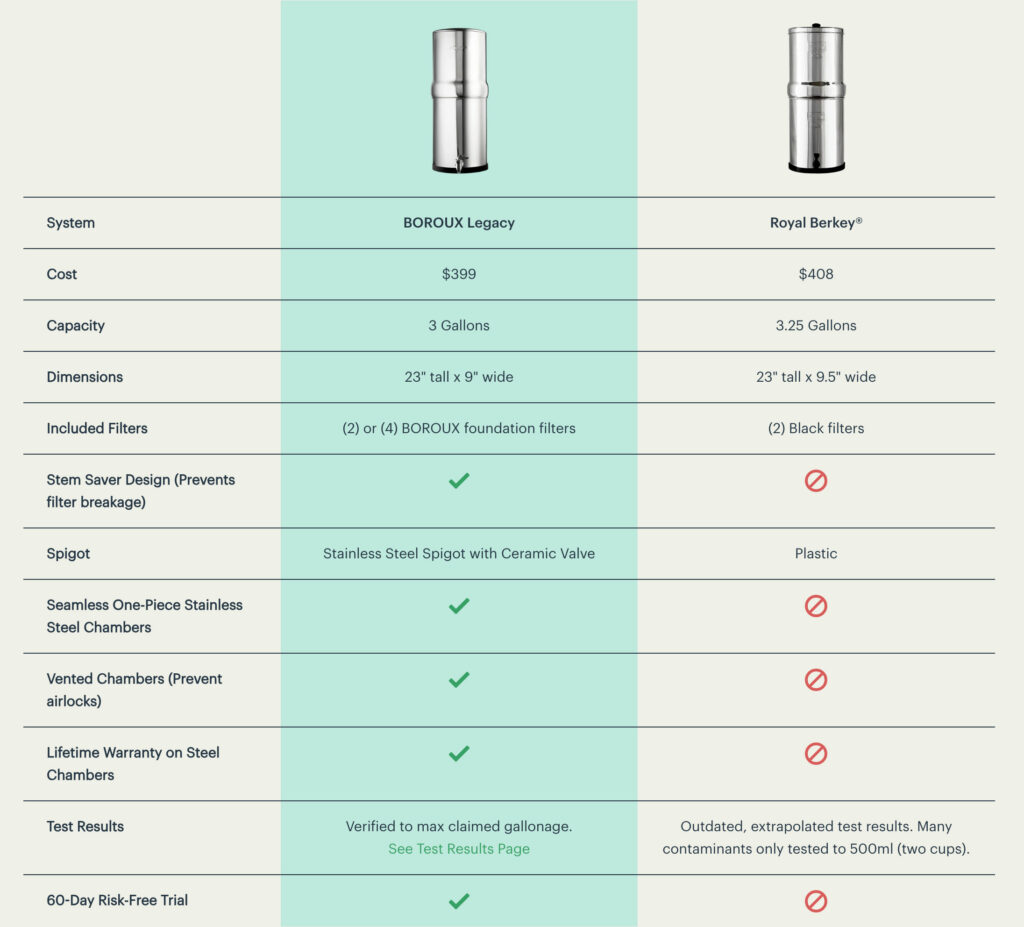
The BOROUX Legacy Water Filter System is stainless, gravity fed, and designed for daily use. It’s not just an emergency tool. It’s something you can rely on year round.
Cleaning Your AquaBricks With Calcium Hypochlorite
Any container that gets reused needs to be sanitized occasionally. Over time, biofilm, algae, and bacteria can build up inside water containers, especially if they’ve held untreated surface water.
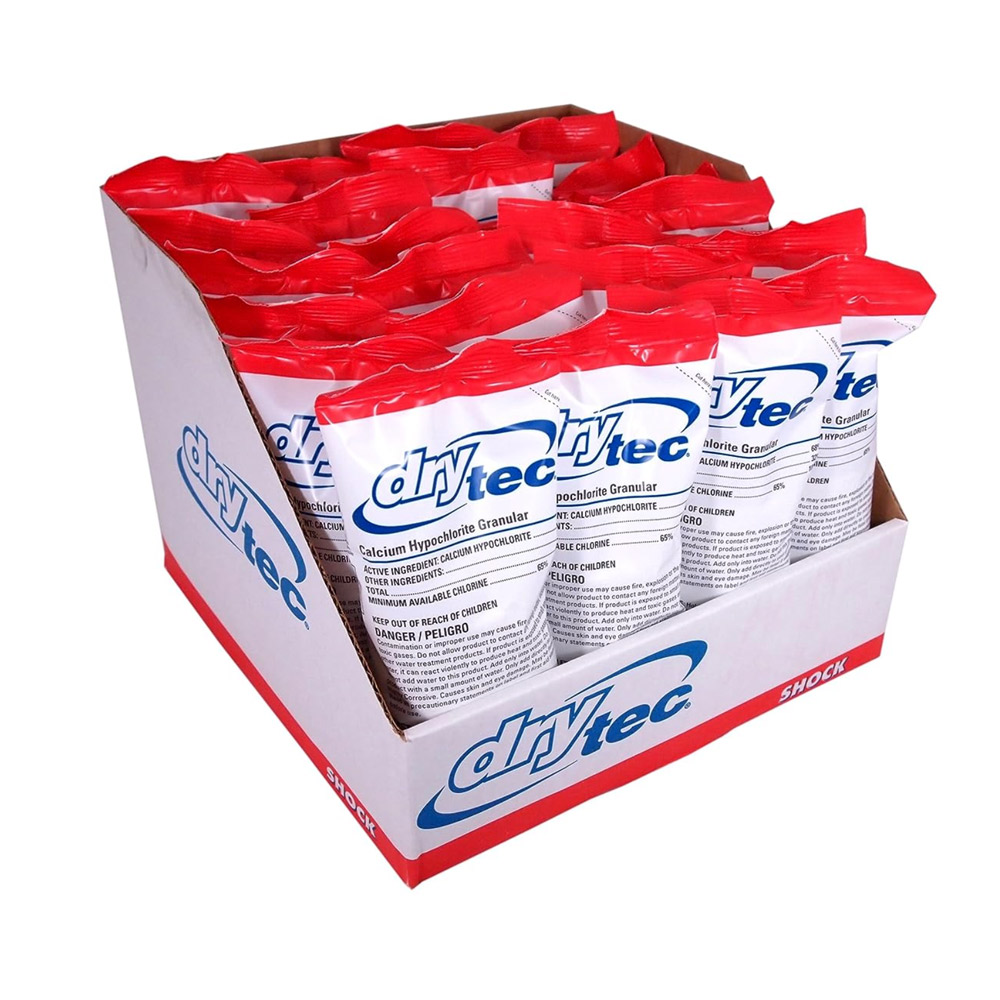
Calcium hypochlorite is one of the most effective long term sanitation compounds you can keep on hand. When mixed correctly, it creates a basic bleach solution that works well for cleaning water containers.
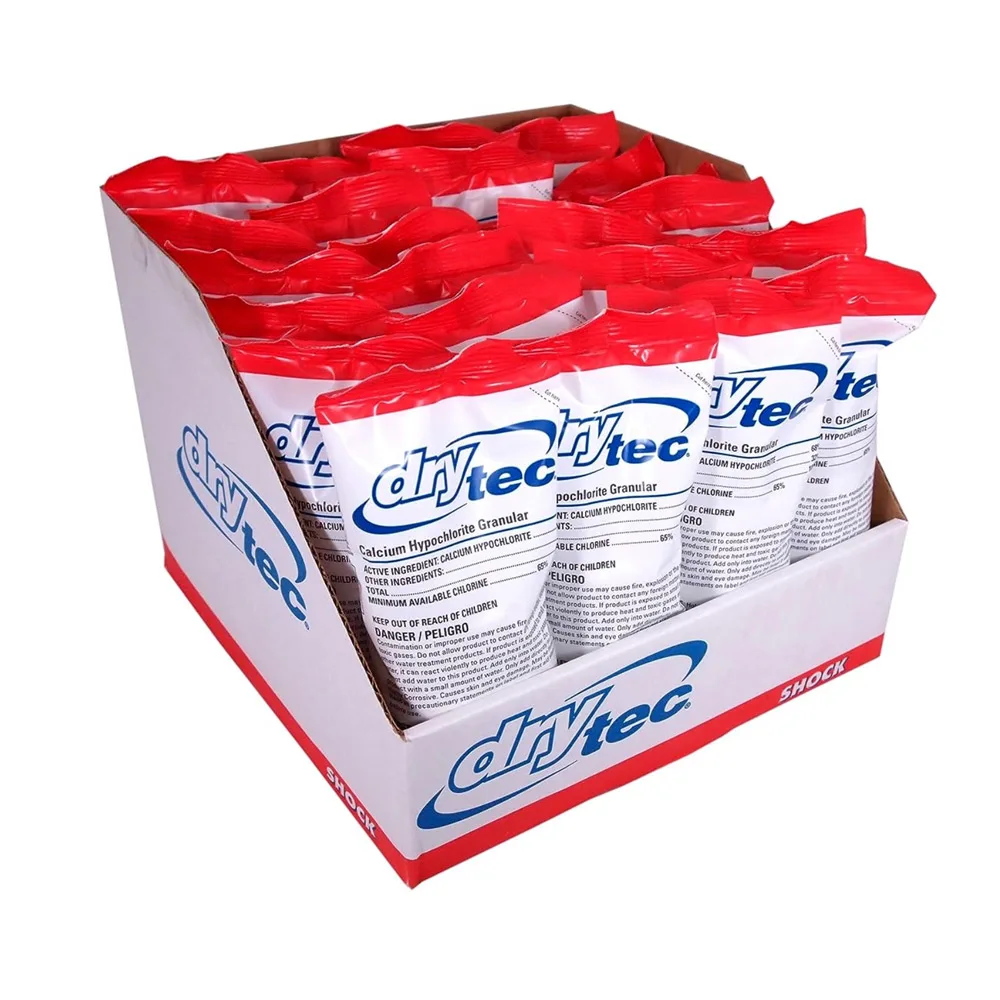
Simple Cleaning Method
- Empty the AquaBrick completely
- Mix a small batch of DIY bleach using calcium hypochlorite and water
- Pour enough solution into the AquaBrick to wet all interior surfaces
- Cap it, shake gently, and let it sit for 30 minutes
- Dump the solution, rinse thoroughly with clean water
- Air dry with the cap off before refilling or storing
That’s it. No specialty cleaners required.
Why This Matters
Clean containers help prevent contamination and extend the usability of your water storage system. Using calcium hypochlorite keeps you independent from store bought bleach, which degrades quickly over time.
If you want the exact ratios and a deeper explanation of how to make DIY bleach correctly and safely, I’ve laid it out step by step here: DIY Bleach w/ Calcium Hypochlorite
Final Thoughts
Preparedness isn’t just about owning gear. It’s about having systems you can execute when conditions aren’t comfortable.
This system works because:
- Water sourcing is local
- Transport relies on your body, not fuel
- Containers are designed for movement
- Filtration works without power
If you can move water and make it safe, you’ve removed one of the biggest failure points in modern life.
Pin it