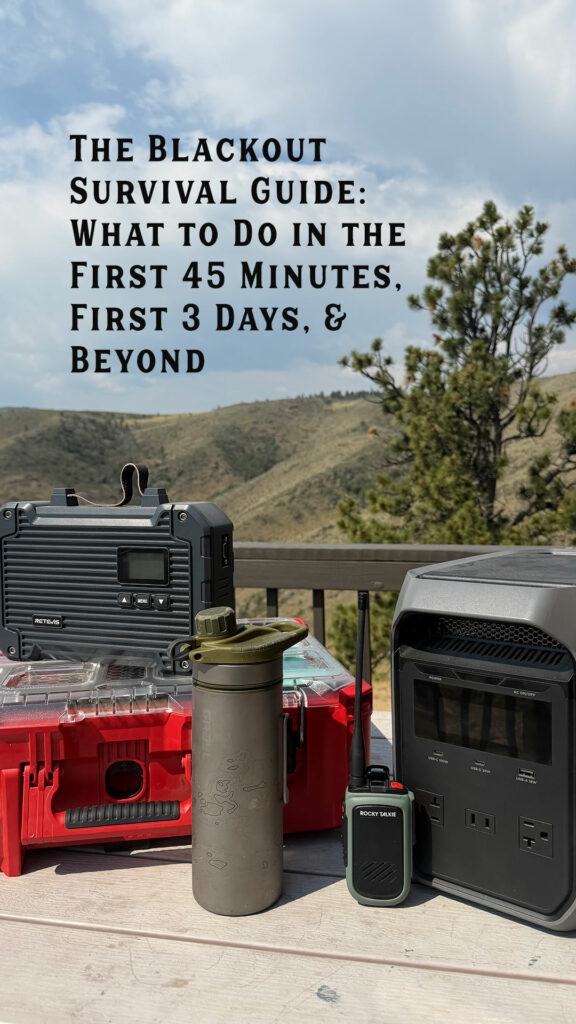
The grid goes down and stays down. Not a two-hour outage where we grumble and eat ice cream before it melts. A real one. Days, maybe weeks, cause unknown.
Most of people have never lived through that, so the internet fills the gap with viral “survival facts” that sound like military doctrine and fall apart the second you think them through. This guide is the opposite of that. It’s the actual sequence: what to do in the first 45 minutes, how to run the first 3 days, and how to settle in if it goes longer. Everything here assumes we’re sheltering at home, because that’s almost always the right call. If you’ve read why bugging out early is one of the biggest preparedness mistakes, you already know the road is where unprepared people go to make their situation worse.
The First 45 Minutes
This window matters because two things are still working that won’t be for long: residual water pressure and calm neighbors.
Fill every container you own with water
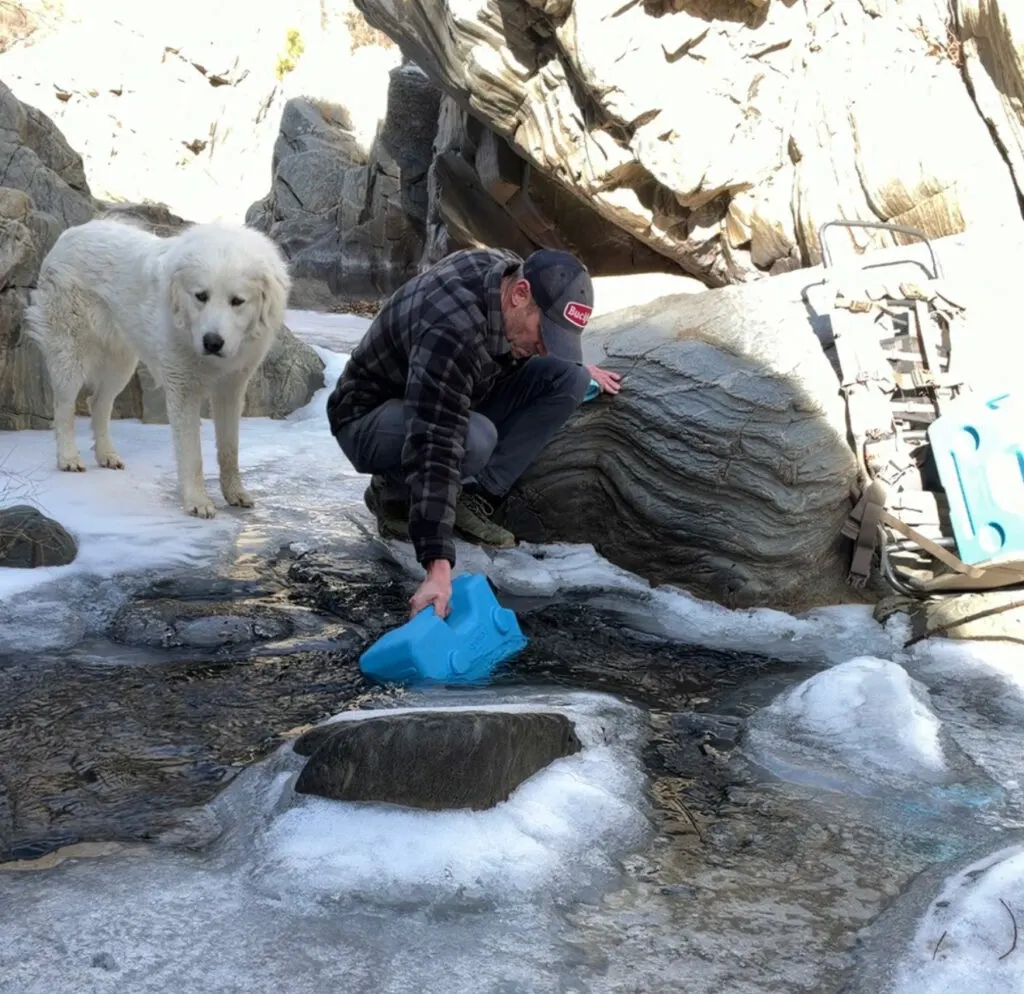
Bathtubs, stock pots, pitchers, buckets, water bottles. Municipal systems have elevated storage and backup pumps, so you may have pressure for a few hours rather than a few minutes, but you don’t know which, so act like it’s minutes. A bathtub holds 40 to 80 gallons. If you want to do this right before the next event, a WaterBOB liner keeps tub water clean and sealed instead of open to whatever was on the tub surface. Tap water captured early is your cleanest water. Everything you source later gets filtered, and that’s a skill worth having dialed in now. This might be useful: how to source, carry, and filter local fresh water.

Confirm the scope
Is it your house, your block, or your region? Check the breaker panel, look outside, and turn on a battery or car radio. A blackout that covers multiple states changes the math on how long you’re settling in for. This is also the moment your phone still has battery and possibly a working cell network. Send one short message to family with your status and plan, then put the phone in low power mode. Don’t burn 40% of your battery doomscrolling.
Do a fast walk-around
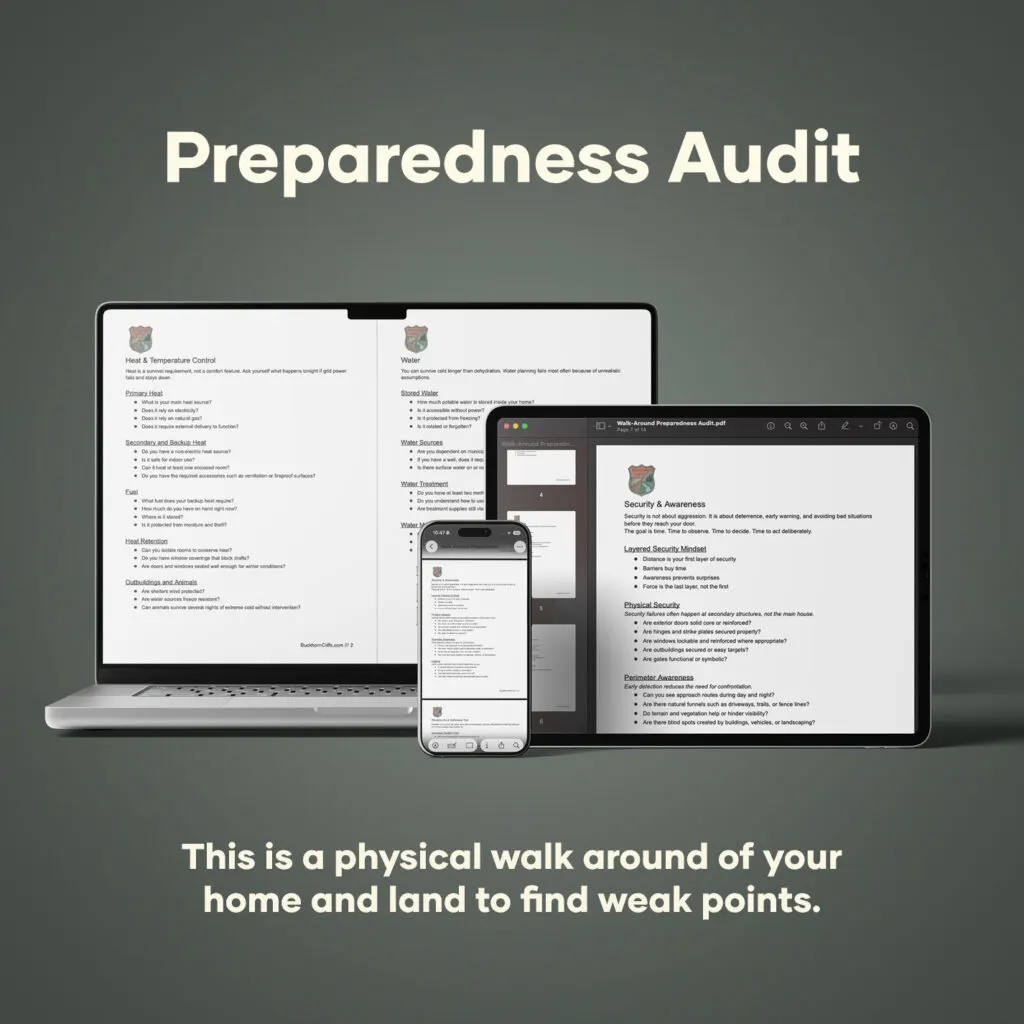
Fridge and freezer shut and staying shut. Vehicles fueled or not, mental note. Garage door, know how to open it manually. If it’s winter, close off rooms you won’t use. I built a full checklist for exactly this kind of pass in the walk-around preparedness audit, and it’s worth running once now, on a normal day, so the blackout version takes five minutes instead of an hour.

Stay out of the stores
Whatever is in the pantry right now is the plan for the next 72 hours. The gas station line and the grocery store at hour two of a regional blackout is a stress event you gain nothing from joining.
The First 3 Days
The first 72 hours is when unprepared households run out of ideas. Emergency services will be overwhelmed and triaging, so the working assumption is that nobody is coming to help us for at least three days. This is how emergency management agencies themselves plan. Our job in this window is simple: consume smart, stay warm or cool, keep a low profile, and stay informed.
Food: eat in the right order
Fridge first, freezer second, shelf-stable last. An unopened fridge holds safe temps for about 4 hours. A full freezer holds roughly 48 hours, half-full closer to 24. So day one is fridge food, day two is the freezer thaw, and from there we move to canned goods, dry staples, and long-term storage. This is exactly why deep pantry storage matters, and if yours is thin, my breakdown of which foods get the biggest shelf life boost with mylar bags and the bigger picture in survival foods: understanding storage, lifespan, and risk are the places to start fixing it.


Heat and cold: shrink the space
Nobody heats a whole house without power. Pick one small, well-insulated room, ideally south-facing in winter, move everyone into it, and hang blankets over the doorways and windows. Body heat in a small sealed space does real work. I covered the cheap, effective versions of this, including how to use foil and radiant barriers correctly, in staying warm with limited gear.
And here’s the line that actually kills people in blackouts: combustion stays outside. Every winter storm blackout produces a wave of carbon monoxide deaths from generators in garages, grills in kitchens, and camp stoves in living rooms. Generators run outside, 20 feet from the house, exhaust pointed away from windows. No exceptions, no “just for a few minutes.” A battery CO detector in the house is a $25 insurance policy.
Light and noise: don’t advertise
In a short outage this doesn’t matter. In a long one, it starts to. A generator roaring in a silent neighborhood and a brightly lit house on a dark street both say the same thing: this household has resources. That doesn’t mean burying your generator in a trench like the meme accounts tell you (please don’t, that’s how you overheat it and cook yourself with exhaust). It means common sense. Run the generator during daylight hours when ambient noise covers it, charge batteries in blocks instead of running it all night, and use blackout curtains or blankets on windows after dark. Quiet and boring is the goal.
Power: small and portable beats big and loud
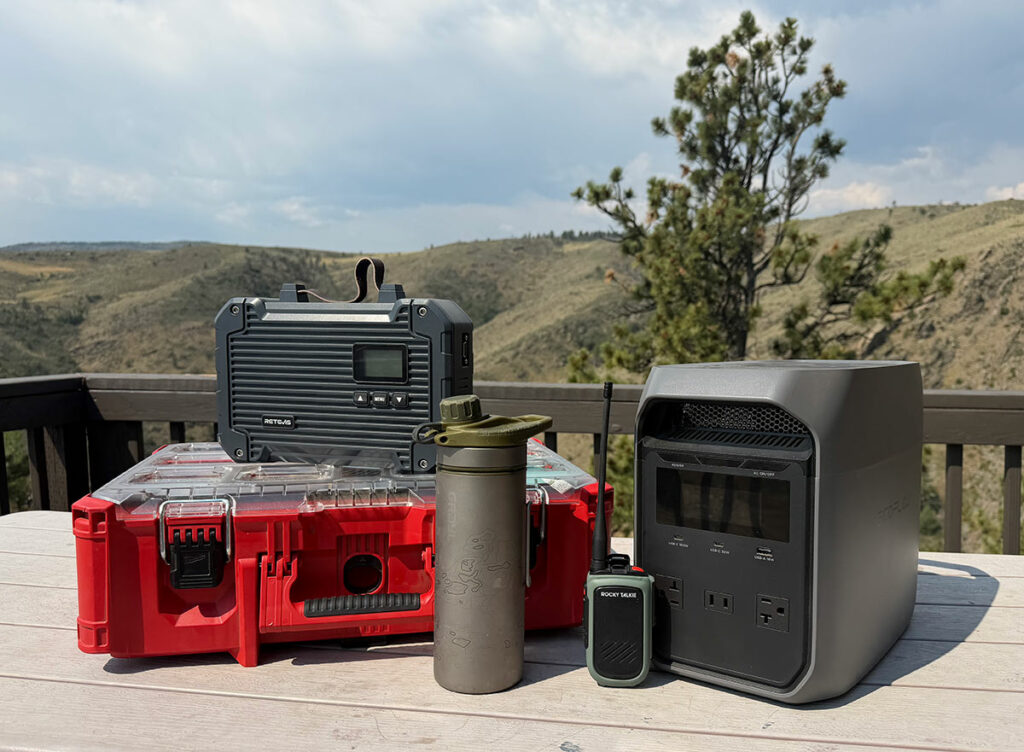
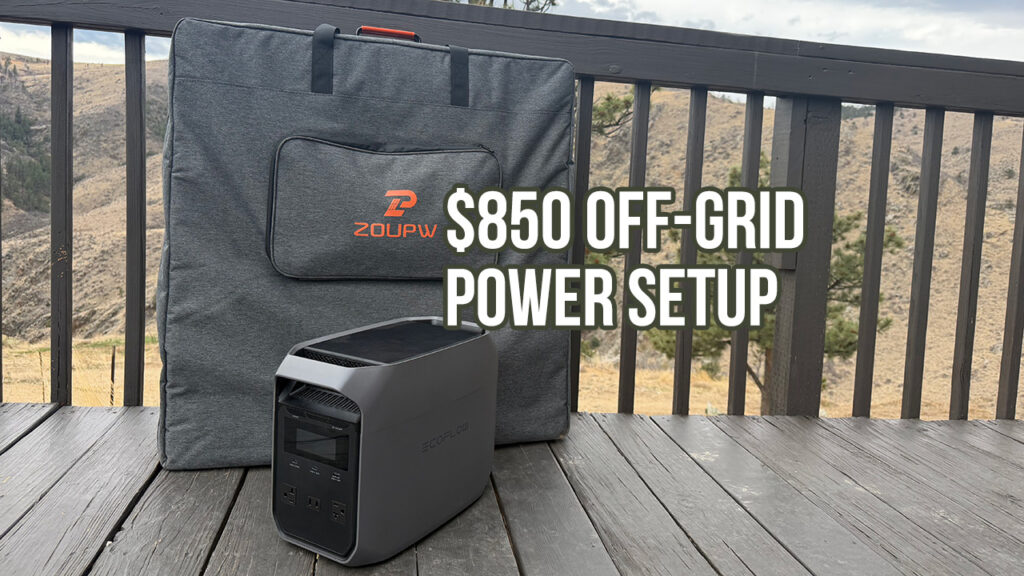
For the first 72 hours, most of what we actually need electricity for is small: phones, radios, lights, a CPAP, maybe the fridge in cycles. A modest solar generator setup handles that without noise or fuel. The combination I landed on for exactly this role is in the $850 off-grid power setup that actually makes sense, and it’s the kind of thing that pays for itself in the first real outage.
Communication: assume the cell network degrades
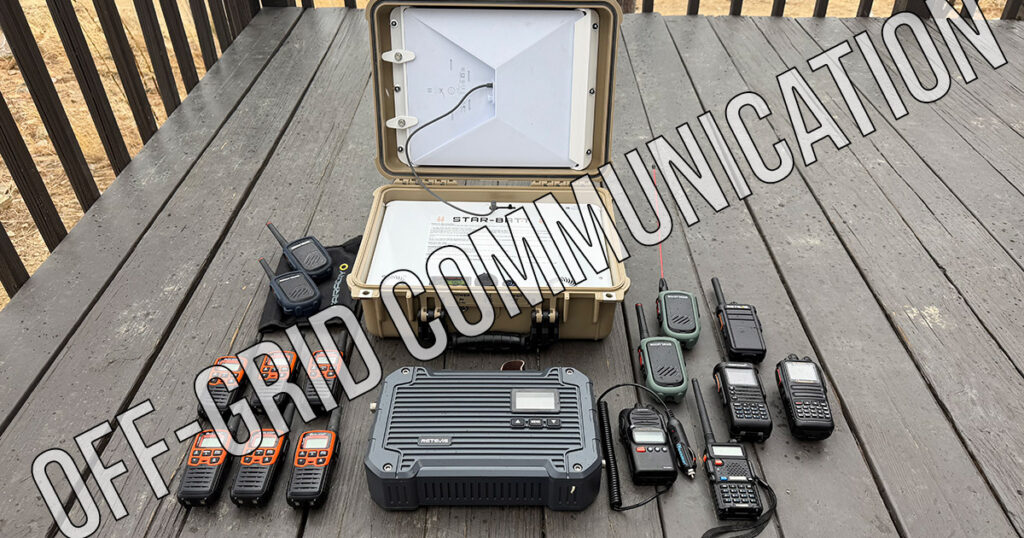
Cell towers have battery backup measured in hours, not days. By day two of a regional blackout, coverage gets spotty and then dies. This is where radio earns its place. A GMRS handheld keeps the family connected around the property and the neighborhood, and a repeater extends that to real distance. I laid out the full landscape, from satellite messengers and Starlink down to cheap handhelds, in the complete guide to off-grid communication, and made the case for the repeater specifically in why you need a GMRS repeater for emergency communication. At minimum, have a battery AM/FM radio so information keeps flowing in even when nothing flows out.
Medical: you’re the first responder now
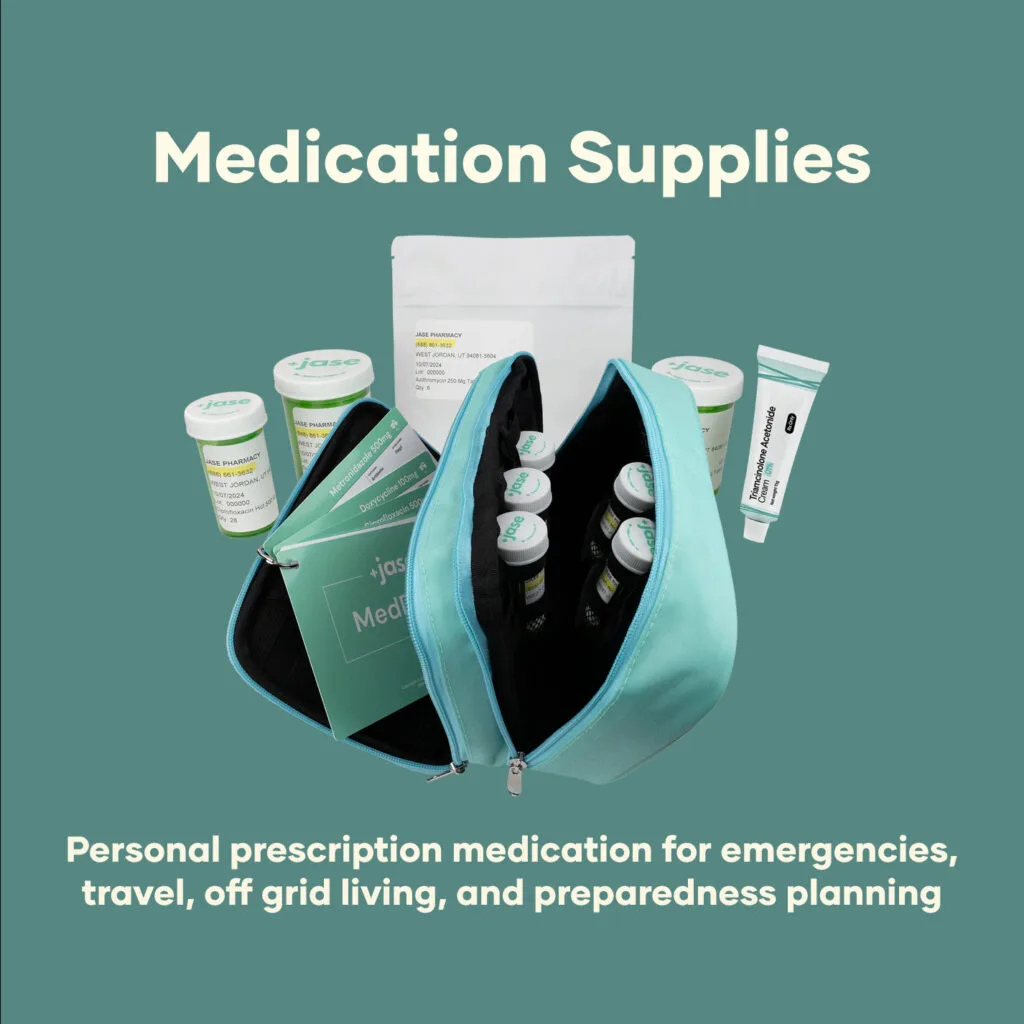
Ambulance response times stretch badly during regional emergencies. Minor injuries, infections, and running out of prescriptions become the actual threats. Two things close most of that gap: a real supply of your prescription meds, which I covered in medication supplies, and knowledge on the shelf, which is why I put together 3 medical books every homesteader and prepper should own. Having your family’s medical information organized and printed matters too, and the emergency care documentation guide walks through exactly what to have on paper when the systems that normally hold that information are dark.

Beyond Day 3
If the lights are still off after 72 hours, we shift from “riding it out” to “operating.”
Water becomes a system, not a stash
Stored water runs out. The move is a repeatable loop: source, carry, filter, store. A gravity filter on the counter processing creek, pond, or rain water turns a crisis into a chore. Boiling works too if you have the fuel, but filtration is what makes it sustainable.
Rotate power like a job
Fuel is finite. Generator runs get scheduled around the freezer and battery charging, solar tops off the small stuff daily, and everything else stays off. This is where a real energy plan beats a big loud machine and 10 gallons of gas.
Watch your community, don’t fear it
Almost every extended disaster looks different: neighbors checking on neighbors, shared cooking, pooled skills. The families who did the best in Texas in 2021 and after every major hurricane were connected, not isolated. Stay cautious with strangers, verify before you trust, keep your resources quiet, but recognize that the neighbor three doors down is far more likely to be an asset than a threat.
Decide the leave/stay question with information, not fear
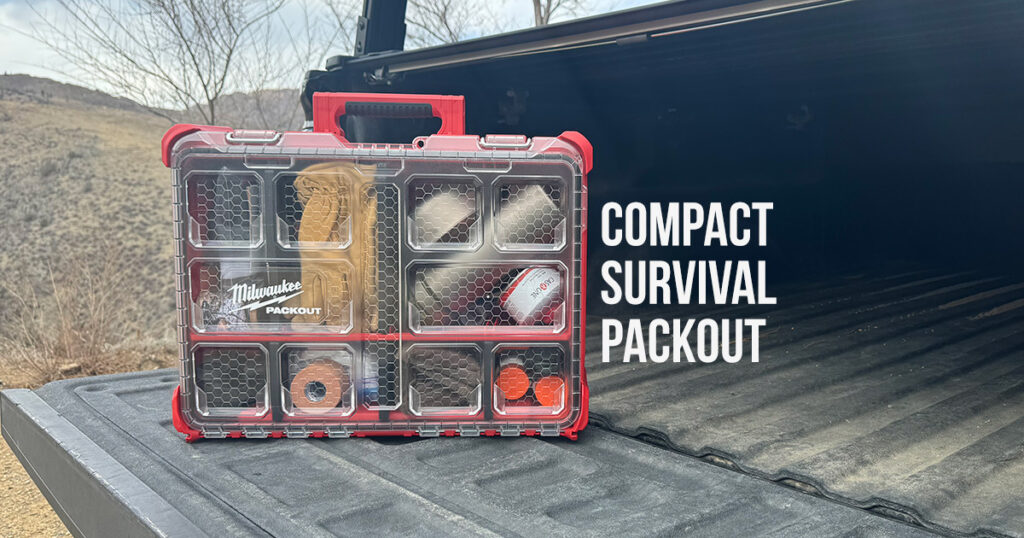
Staying put is right until it isn’t: structural damage, no viable water, medical needs you can’t meet, or credible official evacuation orders for your specific area. If that line gets crossed, leaving is a planned move with a destination, a route, and a packed bag, not a panic run down the highway. That bag should already exist, and building the ultimate bug-out bag covers what actually earns space in it. If budget is the obstacle, the $300 survival bucket built from Walmart supplies proves the entry price is lower than most people think.
Do the 45-Minute Version Today
Here’s the thing about that first 45 minutes: almost all of it can be pre-solved on a random Tuesday for very little money. Water storage and a filter. A deep pantry. A battery radio. A CO detector. Blackout curtains. A charged power station. A printed contact and med list. None of it is exotic, and every piece removes a decision from the worst 45 minutes.
If you’re staring at that list wondering where to start, start where I’d start: what I’d do right now to be better prepared lays out the simple first moves, and the practical where-to-start guide to prepping frames the whole thing the way it deserves to be framed, as a self-managed insurance plan we control.
The blackout itself doesn’t decide how the first three days go. What we did before it does.
Pin it: