Quick facts
- Stomach acid1/4 teaspoon fully dissolved in 8 ounces of water, sipped; repeat in 2 hours if needed; a few days at most, adults only
- TeethA paste of 1 teaspoon and a few drops of water, brushed gently, a few times a week; 1/2 teaspoon in water as a rinse
- OdorA small pinch patted onto dry, clean armpits; a spoonful in shoes overnight; a foot soak of 3 tablespoons in a basin
- SkinA paste on bites and stings; half a cup in a lukewarm bath for itch, sunburn or poison ivy
- Does notChange blood pH, cure arthritis, detox anything, or replace real treatment for reflux, infection or gout
- Sodium1/4 teaspoon carries about 300 mg of sodium; not for anyone on a low-sodium diet, with kidney or heart disease, or pregnant
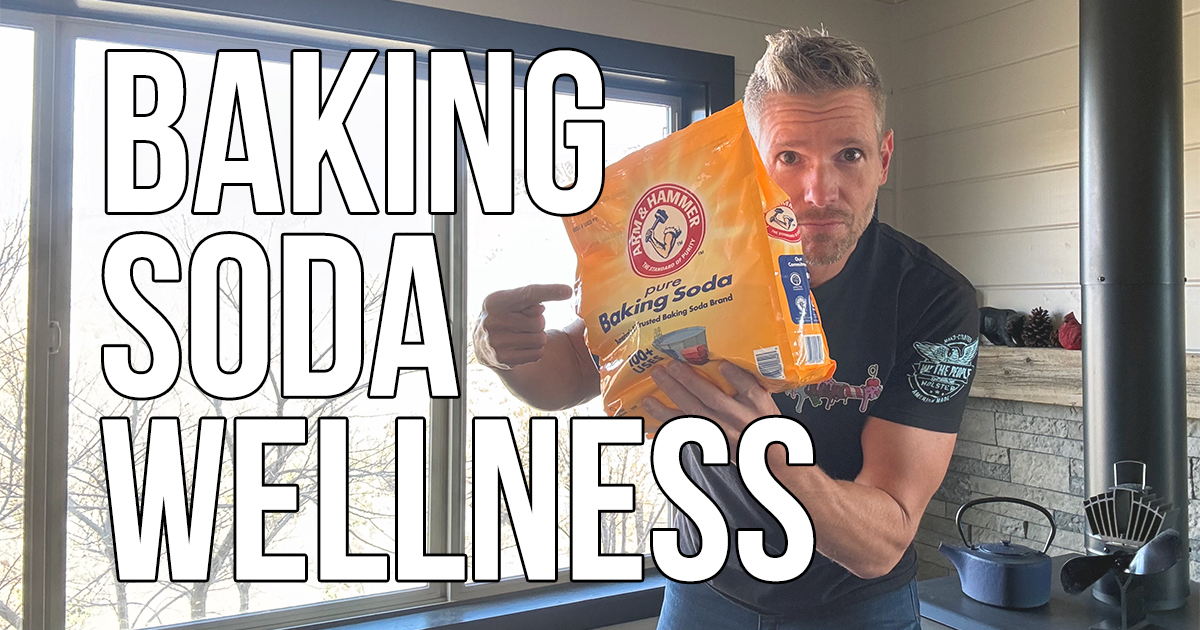
Baking soda is in the medicine cabinet as well as the pantry for four honest reasons, and it has picked up a dozen dishonest ones on the internet. It does not alkalize your body, detox anything, cure arthritis or prevent disease. It does neutralize an acid stomach in minutes, clean and freshen teeth, kill the bacteria that make sweat stink, and calm an itch, and it does those things for pennies from a box that keeps for years. This page is the four jobs, the doses, and the limits, and the baking soda compound page is the chemistry and everything else it does around the house.
Research before dosing yourself. The doses here are for a healthy adult; kidney, heart or blood pressure problems, a low-sodium diet, pregnancy, and children are all reasons the drinking uses are out.
What it does and does not do
Stomach acid
The oldest antacid there is, and it works in minutes. For heartburn, a sour stomach or indigestion after a heavy meal:
- 1/4 teaspoon dissolved completely in 8 ounces of water, sipped slowly. Not on a stomach that is stuffed full; the carbon dioxide it releases has to go somewhere.
- Relief in a few minutes, lasting an hour or two. Repeat once after two hours if needed. Never more than a few doses in a day.
- A couple of days at most. Heartburn that comes back week after week has a cause, and covering it with bicarbonate delays finding it.
- Adults only. Not for anyone on a low-sodium diet, with kidney or heart disease or high blood pressure, or pregnant. Not within two hours of other medication; it changes how some drugs absorb.
A quarter teaspoon is about 300 milligrams of sodium. Daily for weeks, that raises blood pressure and works the kidneys, and large amounts can push the blood alkaline, deplete potassium and land people in the hospital; the case reports are mostly people treating reflux with it for months. Occasional, small, dissolved, and then done.
The stomach acidity formula is the book's version of this dose, with the notes on when it applies.
Teeth and mouth
Odor
Sweat does not smell; the bacteria that eat it do, and they do not like an alkaline surface. Baking soda handles that better than most of what is sold for it.
Skin: itch, stings, sunburn
The gout exception, and hard work
Two places where the internet is half right. Gout: bicarbonate makes the urine less acidic, which helps the kidneys clear the uric acid that causes it, and doctors do prescribe it for that alongside the real medication. On your own, a quarter teaspoon in water for a few days during a flare is the most that makes sense; it is a helper, and the gout itself needs treatment. The joint pain formula is what this site has for the rest of the joints, and baking soda is not in it. Hard effort: at large doses (3 to 4 teaspoons for a 150 pound adult) an hour or two before a short all-out effort, bicarbonate buffers the acid of that kind of work and gives a small edge that shows up in lab tests, at the price of a stomach that may not cooperate. It does nothing for a day of ordinary labor and nothing for the soreness the next morning, which is not caused by acid at all.
Questions this answers
Tap a question for the short answer.
How much baking soda should I drink for acid stomach?
A quarter teaspoon dissolved completely in 8 ounces of water, sipped slowly, for an adult with heartburn or a sour stomach after a meal. It neutralizes stomach acid in minutes and the relief lasts an hour or two; repeat once after two hours if needed, and stop at a couple of days. Fully dissolved matters: undissolved powder on a full stomach makes gas fast enough to hurt. Not for children, not for anyone on a low-sodium diet or with kidney or heart disease, not in pregnancy, and reflux that comes back for weeks is a doctor's problem, not a baking soda habit.
Can baking soda help with muscle soreness?
Not the next-day kind. The soreness after hard work is muscle damage repairing itself, not lactic acid, and baking soda does nothing for it. What the research does show is a small edge in short, all-out efforts of one to ten minutes when athletes take a large dose (3 to 4 teaspoons for a 150 pound adult) an hour or two before, because bicarbonate buffers the acid of that kind of effort; the price is nausea and diarrhea in a lot of people, and it is not a thing to do for a day of splitting wood. A quarter teaspoon in water before work settles the stomach and does nothing for performance.
How do I brush my teeth with baking soda?
A teaspoon of baking soda with a few drops of water stirred to a paste, on a soft brush, gently, for two minutes, then rinse well. It is mildly abrasive, so it lifts plaque and surface stains and it neutralizes the acids that feed decay, but it has no fluoride, so it is a few-times-a-week addition to a fluoride toothpaste, not a replacement. For breath and gums, a half teaspoon dissolved in a glass of water swished for thirty seconds. Hard scrubbing with it wears enamel; light pressure. The squeezable toothpaste recipe on this site builds a real paste around it.
Can I use baking soda as deodorant?
Yes, and it works better than most things in a bottle at the one job, killing the bacteria that make sweat smell. Pat a small pinch onto clean, dry armpits; too much cakes and rubs. Some people's skin reacts to it with redness and itching after a few weeks, because it is alkaline and skin is not; if that happens, cut it with an equal amount of cornstarch or arrowroot, or use it every other day. A spoonful in shoes overnight and a foot soak of three tablespoons in a basin of warm water handle feet.
Does baking soda help with joint pain?
No. It does not reach a joint, it does not reduce inflammation in arthritis, and drinking it daily to try adds a steady load of sodium that raises blood pressure and works the kidneys. The one joint problem it can help with is gout, and only alongside real treatment: bicarbonate makes the urine less acidic, which helps the kidneys clear uric acid, and a doctor may prescribe it for that reason. On your own, the quarter teaspoon in water for a few days during a flare is the most that makes sense, and the gout itself needs the actual medication.
Is it safe to drink baking soda every day?
No, as a habit. A quarter teaspoon is about 300 mg of sodium, most of a day's allowance for someone watching it, and taken daily for weeks it can push the blood alkaline, deplete potassium, raise blood pressure, and in large amounts cause a serious metabolic problem; people have been hospitalized from treating reflux with it for months. It is a short-term remedy for an occasional sour stomach. Heartburn more than twice a week is a reason to find out why.
Does baking soda help with itching or bug bites?
Yes, on the skin. A paste of baking soda and a little water on a bee sting, a mosquito bite or a patch of poison ivy dries and calms it in a few minutes, and a half cup dissolved in a lukewarm bath takes the itch out of hives, sunburn, chickenpox and a rash for an hour or two. It works by neutralizing the acidic irritants on the skin and drawing a little fluid out of the swelling. Not on broken skin, and a sting with swelling that spreads or any trouble breathing is an emergency, not a paste.
Keep going
Related to this
Membership · $49.95 per year
There is a lot more behind the lock
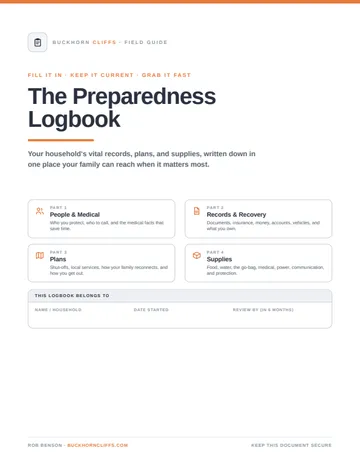
Every recipe and resource from the Prepper's Chemical Survival Guide, all six field guides to read here and download, the full audit and logbook, all twelve reference charts, and no ads.
My Manual · included
Build your own field manual
The most useful thing a membership gives you. Save any page on this site, recipes, charts, and whole field guides included. Arrange them in the order you want, name it, and print one manual with a cover and contents, or keep it as a PDF that opens with no signal.
- It works when this site does not
- Only your pages
- Anyone in the house can use it
- One current copy, not a pile of printouts
- The house binder
- A copy for the bug-out bag or truck
- A copy for family
- An offline PDF


Stay Ready
New entries, updates, and useful instruction.
Stay one step ahead on your preparedness journey.