Quick facts
- TeaAbout a teaspoon dried leaf or flower, steep 10 to 15 minutes, strain well
- Best leavesFirst-year basal rosette, picked in fall or spring
- Drying time, leavesOne to two weeks
- Drying time, flowersA few days
- Shelf life, driedRoughly a year stored properly
- Shelf life, tinctureYears
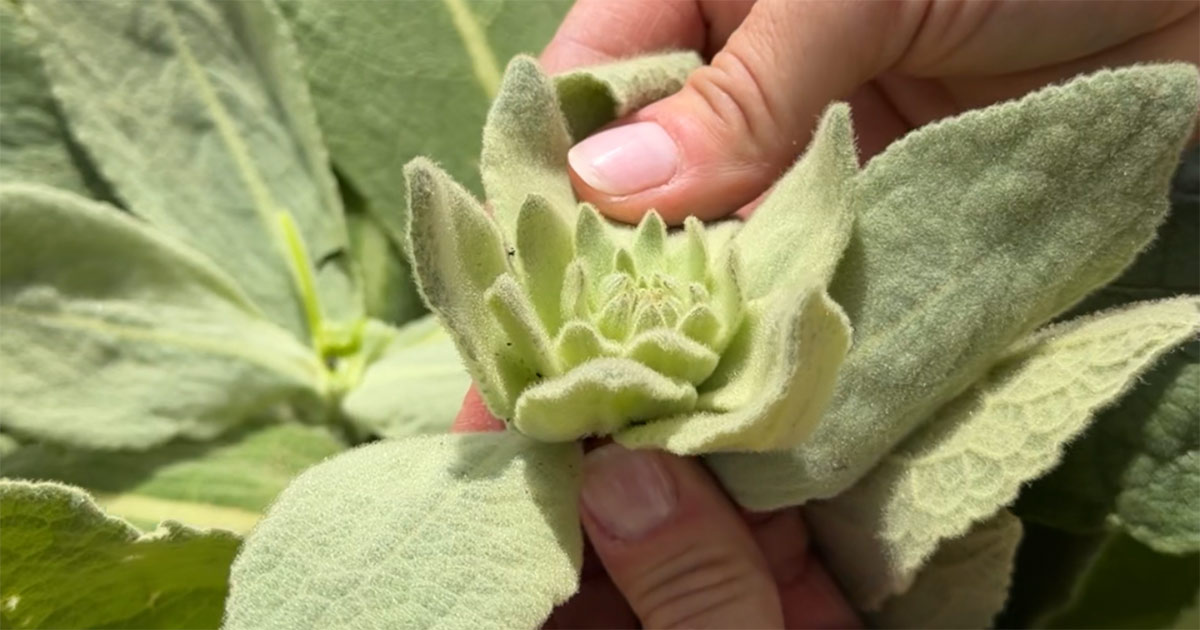
There's a plant growing along your driveway, your fence line, and every disturbed patch of dirt on your property that the old-timers used to treat coughs, congestion, and busted-up lungs long before anybody had a pharmacy to run to. It is mullein, and once you learn to spot it, you will see it everywhere up here at elevation.
I'm at around 6,000 feet in Colorado, and mullein thrives here. It loves the dry, rocky, sun-baked ground that most garden plants hate. That makes it one of the easiest medicinal plants for a Colorado prepper to identify, harvest, and put up for the year. No seeds to buy, no watering.
Let me walk you through what it does, how to use it, and how to get it from the hillside into your storage shelf so it actually lasts.
What Mullein Actually Does
Mullein has been used in herbal traditions for a long stretch of human history, and the focus has almost always been the same thing: the lungs and airways. The reason comes down to two compounds in the plant.
The first is mucilage, a slippery substance that coats and soothes irritated throat and airway tissue. The second is saponins, which act as an expectorant, meaning they help loosen and move mucus out so a dry, stuck cough turns into a productive one. Put those together and you have a plant that calms an irritated airway while helping clear the gunk out of it.
The traditional and reported uses you will run across include:
Most of the evidence behind mullein is traditional use, lab studies, and animal research rather than a stack of large human trials. If you have a serious respiratory condition or take other medications, research before you start dosing yourself with anything. What I can tell you is that this plant has earned its reputation over a very long time, and it is free.
How to Use It
Take about a teaspoon of dried leaf or flower, pour over hot water, and steep for 10 to 15 minutes. Here is the one step nobody can skip: strain it through a coffee filter or a fine cloth. Mullein leaves are covered in tiny fuzzy hairs, and if those end up in your cup they will scratch your throat and do the opposite of what you want. Strain it well.
Tincture is an alcohol extract, good for long shelf life and easy dosing. You pack a jar with the plant material, cover it with 40 to 50 percent alcohol (80 to 100 proof vodka works), and let it sit for 4 to 6 weeks before straining through a coffee filter.
is made from the flowers, ideally while they are fresh or just slightly wilted. Cover them in olive oil, the traditional carrier, or another stable oil such as jojoba or sweet almond, let them infuse, and store the strained oil in a dark glass bottle. This is the classic earache and skin preparation. Never put oil in an ear that is draining or where the eardrum might be ruptured (sudden sharp pain, fluid, or hearing loss). Ear pain with fever, or in a young child, needs to be looked at.
works too. Drop some dried leaf in a bowl of hot water, put a towel over your head, and breathe it in to get it right where you want it.
When to Pick It and What to Pick
Mullein is a biennial, meaning it lives two years. In year one, it grows as a low rosette, a flat circle of big, soft, fuzzy leaves hugging the ground. In year two, it shoots up that tall flower stalk you have seen standing along the roads, sometimes five or six feet high, topped with yellow flowers. Each part of the plant has its own job and its own timing.
are your workhorse for teas and tinctures aimed at lung and respiratory support. Skip the smoking blends: smoke from any burning plant carries toxins and irritates the lungs you are trying to help. For the best potency, pick the first-year leaves, the basal rosette that has no tall stalk yet, in the fall or the spring. Cut healthy leaves with clean scissors or shears (or just pull with your hands) and skip the tough, beat-up ones. Do not strip the plant bare; take what you need and leave plenty behind, because that first-year rosette needs its leaves to build a root system for year two.
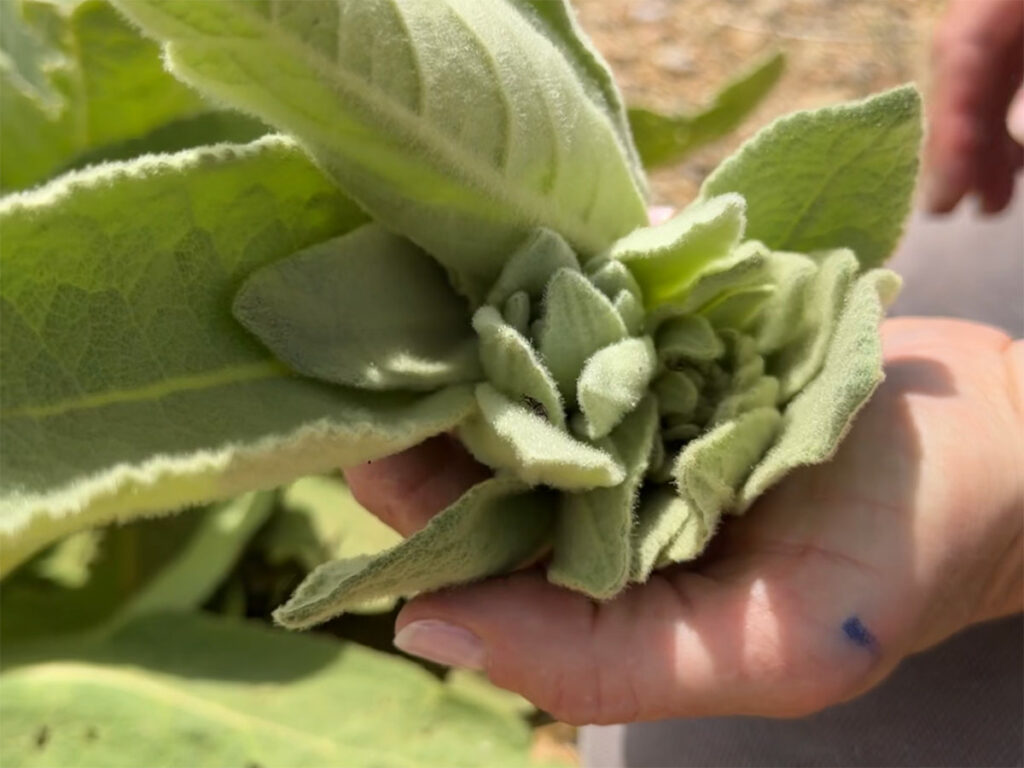
are what you want for earache and wound oils. You work the flowers in year two, picking the bright yellow, newly opened blossoms one by one as they bloom up the stalk through the summer. They open a few at a time, starting at the bottom and working up, so you revisit the same plant every day or two to keep up with it. It is a little fussy, but the flowers are worth it.
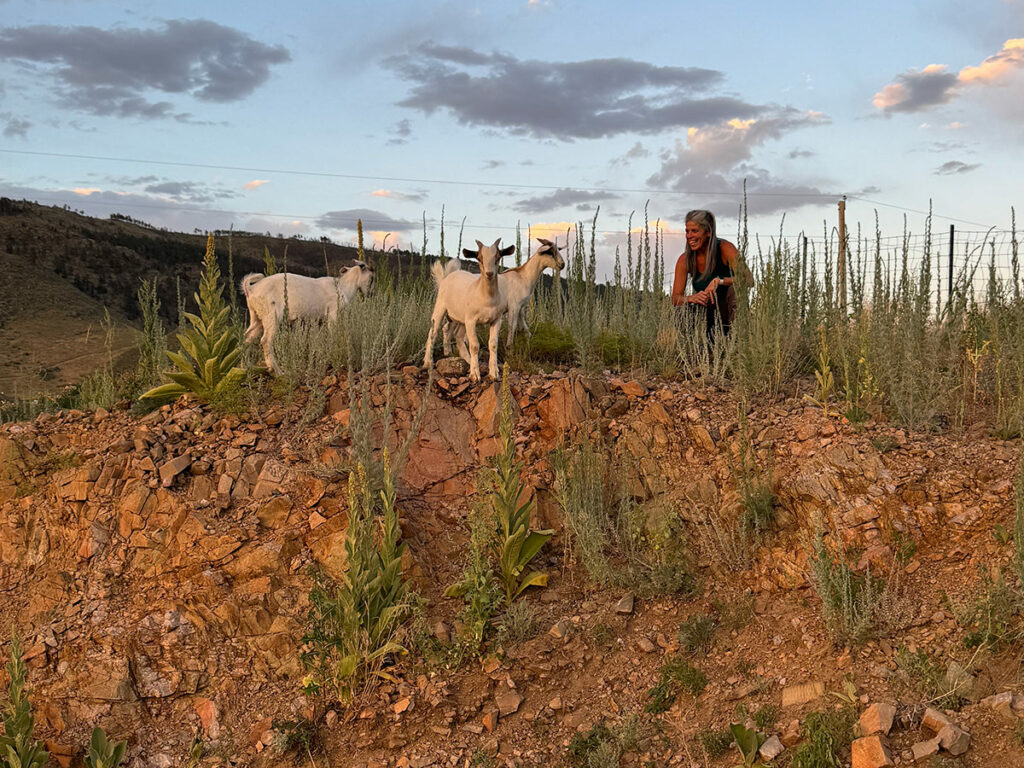
have a folk reputation for urinary support, but there is little research behind it. Harvest the taproot in the late fall of the first year or the early spring of the second year, before that stalk forms and the plant pours its energy upward.
On timing at my elevation: the general window is late spring through summer, picking on a dry day. Up here at 6,000 feet the season runs a little behind the lowlands, so I am watching for flower stalks through the back half of summer rather than expecting an early-June bloom like you would get down on the plains. Pick after the morning dew has burned off and before the hard afternoon sun, so the leaves are dry going in but the plant has not been cooking all day.
A few rules to follow:
How to Air Dry It
The enemy is moisture, because trapped moisture means mold, and mold means you throw out the whole batch.
Do not wash the leaves. Washing introduces water you then have to drive back out, and the fuzzy leaves hold it. Just shake off and pick off any debris or bugs before drying.
You have two solid methods:
Lay the leaves and flowers out in a single layer on a screen, a clean cloth, or a paper-lined tray. Do not let pieces overlap or touch, because they need air moving on all sides. Put the tray somewhere well-ventilated, dry, and dark. Keep it out of direct sunlight, because sun degrades the active compounds you are trying to preserve. Turn the leaves every couple of days for even drying.
Bundle the stems and hang them upside down in a dark, dry, airy space.
Up here the dry Colorado air is doing me a big favor. Leaves typically take one to two weeks to dry fully, and the more delicate flowers usually finish in just a few days, so check those flowers daily so they do not over-dry or mold in a humid spell. Mullein leaves stay soft and suede-like even when fully dry, so check that they're dry all the way through the thick central rib rather than waiting for a crisp snap.
Storage and Shelf Life
Once the leaves feel dry all the way through that thick central rib and the flowers are papery, get everything into storage right away before it can pull moisture back out of the air.
Store the dried leaves and flowers in airtight containers, glass jars are ideal, kept somewhere cool, dark, and dry. Out of light and out of heat. Label every jar with the plant name and the date you put it up, because in a year you will not remember.
On shelf life: dried mullein leaf and flower hold their potency for roughly a year stored properly. Here is the tell: when the green leaves and yellow flowers start fading and losing their color, they are losing their medicinal punch right along with it. Faded, dull material is past its prime. That is your signal to use it up or harvest fresh.
If you want the longest possible shelf life, that is where a tincture comes in. An alcohol extract will keep for years, well beyond what the dried plant material will hold, which makes it a smart way to bank a good harvest for the long haul.
The Bottom Line
Mullein is about as good as it gets for a beginning forager and a serious prepper alike. It is free, it is everywhere on dry Colorado ground, it is easy to identify once you have seen it, and it puts up well for the year with nothing more than air and patience. Learn to spot the rosette and the tall yellow stalk, harvest clean, dry it slow and dark, and store it cool and airtight. Do that and you will have lung support sitting on your shelf that cost you nothing but a walk and an afternoon.
Questions this answers
Tap a question for the short answer.
What is mullein good for?
Mullein is mainly a lung and airway herb, used for coughs, bronchitis and chest congestion. Its mucilage coats and soothes irritated tissue while its saponins loosen mucus so a dry cough turns productive. The leaves are also used as a poultice on minor wounds, burns and rashes, and the flower oil is a traditional earache remedy.
How do I make mullein tea?
Pour hot water over about a teaspoon of dried leaf or flower and let it steep 10 to 15 minutes. Then strain it through a coffee filter or fine cloth so the tiny leaf hairs stay out of your cup.
When should I harvest mullein leaves?
Pick first-year leaves, the low basal rosette with no tall stalk yet, in the fall or spring for the best potency. Harvest on a dry day after the morning dew has burned off and before the hard afternoon sun, and leave plenty of leaves so the plant can build its root system for year two.
How do I dry mullein without mold?
Do not wash the leaves, just shake and pick off debris. Spread them in a single layer with no pieces touching on a screen, cloth or paper-lined tray somewhere ventilated, dry and dark, turning every couple of days, or hang bundled stems upside down. Leaves take one to two weeks and flowers a few days, so check flowers daily.
How long does dried mullein last?
Dried mullein leaf and flower keep their potency for roughly a year in airtight glass jars stored cool, dark and dry. Once the green leaves and yellow flowers fade and look dull, they are past their prime. A tincture made with alcohol keeps for years.
Why do I need to strain mullein tea?
Mullein leaves are covered in tiny fuzzy hairs, and if they end up in your cup they scratch your throat, the opposite of what you want from the tea. Strain it well through a coffee filter or a fine cloth every time.
Keep going
Related to this
Membership · $49.95 per year
There is a lot more behind the lock
Every recipe and resource from the Prepper's Chemical Survival Guide, all six field guides to read here and download, the full audit and logbook, all twelve reference charts, and no ads.
My Manual · included
Build your own field manual
The most useful thing a membership gives you. Save any page on this site, recipes, charts, and whole field guides included. Arrange them in the order you want, name it, and print one manual with a cover and contents, or keep it as a PDF that opens with no signal.
- It works when this site does not
- Only your pages
- Anyone in the house can use it
- One current copy, not a pile of printouts
- The house binder
- A copy for the bug-out bag or truck
- A copy for family
- An offline PDF






Stay Ready
New entries, updates, and useful instruction.
Stay one step ahead on your preparedness journey.