Quick facts
- Nerve agentsSarin (GB), VX, Novichok agents
- Blister agentsSulfur mustard (HD), Lewisite; effects often delayed
- Blood agentsHydrogen cyanide (AC), cyanogen chloride (CK)
- Choking agentsChlorine gas, phosgene (CG)
- Riot control agentsTear gas (CS, CN), pepper spray (OC)
Chemical weapons are banned by treaty and still show up in modern conflicts, in terror attacks, and in industrial accidents that behave the same way. There are six families. Each one attacks the body differently, shows different first signs, and hangs around for a different length of time. Knowing which is which tells you how fast to move and what to do first.
| Family | Attacks | First signs | How fast | How long it lingers |
|---|---|---|---|---|
| Nerve | Nervous system | Pinpoint pupils, runny nose, drooling, twitching | Seconds to minutes | Sarin: hours. VX: days to weeks |
| Blister | Skin, eyes, airways | Redness and itching, then blisters | Mustard: 2 to 24 hours. Lewisite: at once | Days, longer in cold weather |
| Blood | Oxygen use in every cell | Gasping, dizziness, headache, collapse | Seconds to minutes | Minutes outdoors. Deadly in enclosed spaces |
| Choking | Lungs | Coughing, burning throat, tight chest | Chlorine: at once. Phosgene: 2 to 24 hours | Minutes to hours. Sinks into low ground |
| Incapacitating | The mind | Confusion, hallucinations, dry mouth, wide pupils | 30 minutes to hours | Effects can last days |
| Riot control | Eyes, skin, nose, throat | Tearing, burning, coughing | Seconds | Eases 15 to 30 minutes after you reach clean air |
The six families
Nerve agents
DeadliestNerve agents block the enzyme acetylcholinesterase. Acetylcholine builds up, muscles fire without stopping, and the result is uncontrollable contractions, paralysis, and respiratory failure.
- Sarin (GB): Fast acting and volatile. It can cause widespread casualties in a short time.
- VX: Highly persistent. It stays lethal on surfaces, which makes it a tool for denying an area.
- Novichok agents: A newer series, more toxic and harder to detect than the older types.
- Signs
- Pinpoint pupils, runny nose, drooling, sweating, tight chest, twitching, convulsions
- Onset
- Vapor works in seconds to minutes. VX on skin can take up to hours.
- Lingers
- Sarin evaporates in hours. VX can stay on surfaces for days to weeks.
Blister agents
DelayedBlister agents, also called vesicants, burn skin, eyes, and airways. The danger is the delay: by the time blisters and chemical burns show, the exposure is hours old and the damage to the lungs can be long term.
- Sulfur mustard (mustard gas, HD): Painful blisters and severe respiratory damage, with effects that may take hours to show.
- Lewisite: Immediate pain and irritation, unlike mustard. It is an arsenic compound, so it also poisons the whole body, and it can kill through skin or lung exposure.
- Signs
- Redness and itching, eye pain, then blisters and a worsening cough
- Onset
- Mustard: 2 to 24 hours. Lewisite hurts right away.
- Lingers
- Days on surfaces and soil, longer in cold weather.
Blood agents
FastBlood agents stop the cells of the body from using oxygen. They are most lethal in confined spaces, where a small amount brings unconsciousness and death quickly.
- Hydrogen cyanide (AC): Rapid acting. It shuts down cellular respiration and causes quick loss of consciousness.
- Cyanogen chloride (CK): Irritates the airways and blocks oxygen uptake at the same time.
- Signs
- Gasping, dizziness, headache, confusion, seizures, collapse
- Onset
- Seconds to minutes.
- Lingers
- Hydrogen cyanide is lighter than air and thins out fast outdoors. Indoors it stays deadly.
Choking agents
LungsChoking agents attack the lungs. They irritate the airways and cause pulmonary edema, fluid in the lungs, and they hit hardest in enclosed spaces.
- Chlorine gas: Reacts with moisture in the lungs to form corrosive hydrochloric acid. Smells like bleach.
- Phosgene (CG): More potent than chlorine. The pulmonary edema is delayed and often fatal. Smells like fresh cut hay.
- Signs
- Coughing, burning eyes and throat, tight chest, shortness of breath
- Onset
- Chlorine irritates at once. Phosgene can seem mild, then turn severe 2 to 24 hours later.
- Lingers
- Minutes to hours. Both are heavier than air and pool in basements, ditches, and low ground.
Incapacitating agents
DisablingIncapacitating agents temporarily disable people by attacking thinking and coordination. The goal is confusion and an inability to perform tasks, without necessarily killing.
- BZ (3-quinuclidinyl benzilate): Severe confusion, hallucinations, and disorientation that leave a person non-functional for extended periods.
- Signs
- Confusion, hallucinations, dry mouth, flushed skin, wide pupils
- Onset
- 30 minutes to several hours.
- Lingers
- The effects can last one to three days.
Riot control agents
Most likely to meetRiot control agents are used for crowd control. They irritate the eyes, skin, and airways. They are generally considered non-lethal, but high concentrations, especially indoors, cause real injury.
- Tear gas (CS, CN): Intense eye irritation, coughing, and respiratory distress.
- Pepper spray (OC): A severe burning sensation on the skin and in the eyes.
- Signs
- Tearing, burning eyes and skin, coughing, runny nose
- Onset
- Seconds.
- Lingers
- Symptoms ease 15 to 30 minutes after you reach clean air and rinse off.
The first minutes: Get away, get it off, get clean
- 1Get awayMove upwind and into fresh air. Most of these agents are heavier than air, so go uphill and stay out of basements and ditches. Indoors and cannot leave: top floor, interior room, windows and vents sealed, ventilation off.
- 2Get it offTaking off your outer clothing removes 80 to 90 percent of the chemical. Cut off anything that would go over your head. If you cannot cut it, hold your breath and close your eyes while you pull it off.
- 3Get cleanBlot, do not rub. Then wash head to feet with lukewarm water and mild soap for 2 to 3 minutes. Do not scrub. Hold the lids open and flush burning eyes for 15 minutes without rubbing.
- 4Bag it and get helpDouble bag the clothing and contact lenses, and keep the bags out of the regular trash. Then get medical help. With phosgene and mustard, feeling fine early means nothing.
What a gas mask does, and does not do
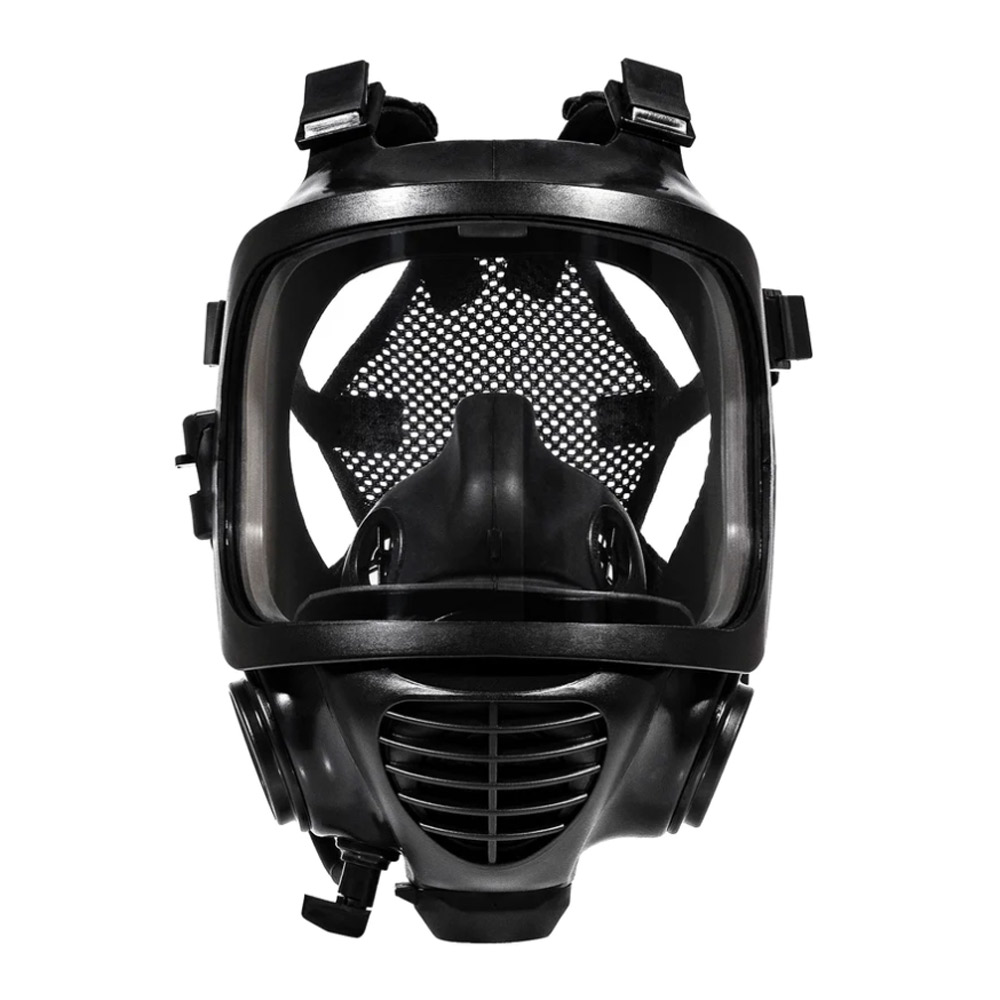
The mask I recommend: MIRA Safety CM-6M tactical gas mask. For the thyroid side of a nuclear event, see potassium iodide tablets. For the chemicals already in your house that make toxic gas when combined, use the never-mix checker.
Decontamination steps follow CDC chemical emergency guidance.
Questions this answers
Tap a question for the short answer.
What are the types of chemical weapons?
The main categories are nerve agents (sarin, VX, Novichok), blister agents (sulfur mustard, Lewisite), blood agents (hydrogen cyanide, cyanogen chloride), choking agents (chlorine gas, phosgene), incapacitating agents (BZ), and riot control agents (tear gas, pepper spray).
What does a nerve agent do to the body?
A nerve agent blocks the enzyme acetylcholinesterase, which disrupts the nervous system. Acetylcholine then builds up in the body, causing uncontrollable muscle contractions, paralysis, and finally respiratory failure. Nerve agents are among the deadliest chemical weapons.
What is the difference between sarin and vx?
Both are nerve agents, but they behave differently. Sarin (GB) is fast-acting and volatile, so it can cause widespread casualties in a short time. VX is highly persistent and stays lethal on surfaces, which makes it suited to long-term area denial.
What is mustard gas and how does it work?
Mustard gas, or sulfur mustard (HD), is a blister agent, also called a vesicant. It causes painful blisters, chemical burns, and severe respiratory damage. Its effects can take hours to show, which makes it especially dangerous because exposure is not obvious right away.
Is tear gas a chemical weapon?
Yes, tear gas (CS, CN) falls under riot control agents, one of the chemical weapon categories. It causes intense eye irritation, coughing, and respiratory distress that temporarily incapacitate. It is generally considered non-lethal, but high concentrations can cause severe discomfort and injury.
Keep going
Related to this
Membership · $49.95 per year
There is a lot more behind the lock
Every recipe and resource from the Prepper's Chemical Survival Guide, all six field guides to read here and download, the full audit and logbook, all twelve reference charts, and no ads.
My Manual · included
Build your own field manual
The most useful thing a membership gives you. Save any page on this site, recipes, charts, and whole field guides included. Arrange them in the order you want, name it, and print one manual with a cover and contents, or keep it as a PDF that opens with no signal.
- It works when this site does not
- Only your pages
- Anyone in the house can use it
- One current copy, not a pile of printouts
- The house binder
- A copy for the bug-out bag or truck
- A copy for family
- An offline PDF



Stay Ready
New entries, updates, and useful instruction.
Stay one step ahead on your preparedness journey.