Quick facts
- SealerChamber vacuum sealer, moderate vacuum level
- Containers
- Original containers
- caps tight
- seals intact
- Temperature68°F to 77°F (20°C to 25°C), avoid freezing
- InspectionEvery 6-12 months
- Moisture controlDesiccant packet optional, for humid climates
- Storage boxMilwaukee Packout box
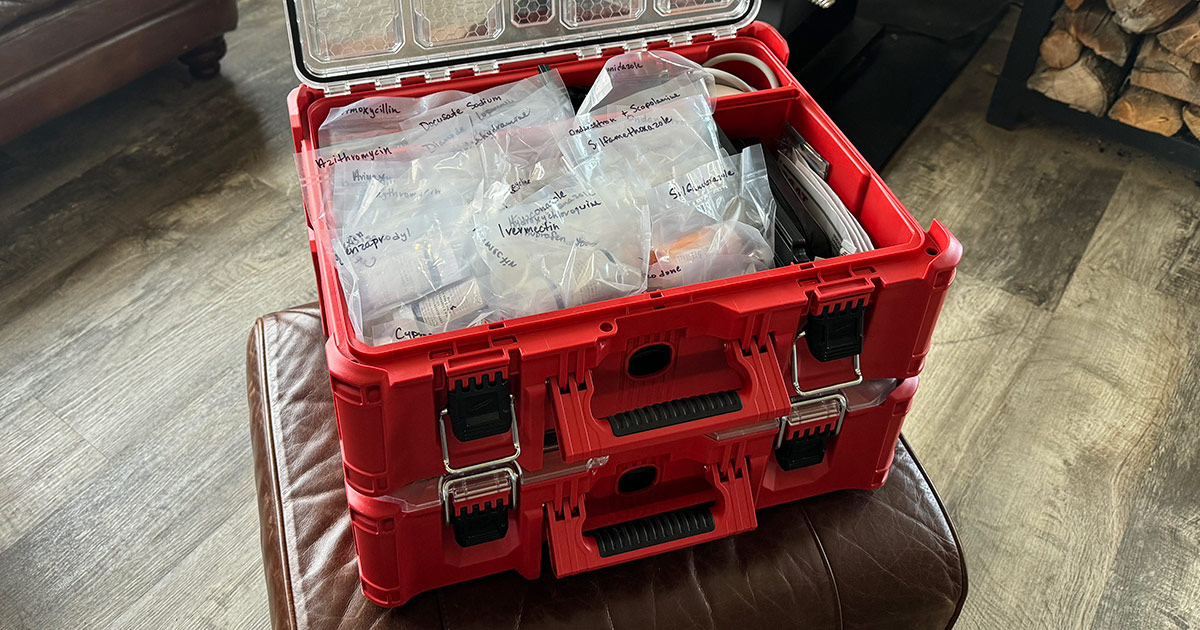
When preparing for emergencies or simply ensuring your medications remain effective for as long as possible, proper storage is important. This guide covers vacuum-sealing medications, temperature control, and how to store additional medical supplies to build a reliable and efficient medical kit.
Before I dig in, a common question is:
"how do you get these medications; don't you need a prescription?"
That's correct: many of the medications I stock are NOT over the counter (meaning: you need a Rx). You can order current meds and "in-case-of" medications online, I've written about that here: Personal Prescription Medication Supplies.
This process provides you with the ability to not waste your time and money visiting a gatekeeper and a pharmacy. You can order online and it's shipped to your door. + you get Rx cards that explain each medication sent and precautions, reasons to use, and dosing.
Related: Medications you can order online
Vacuum-Sealing Medications for Longevity
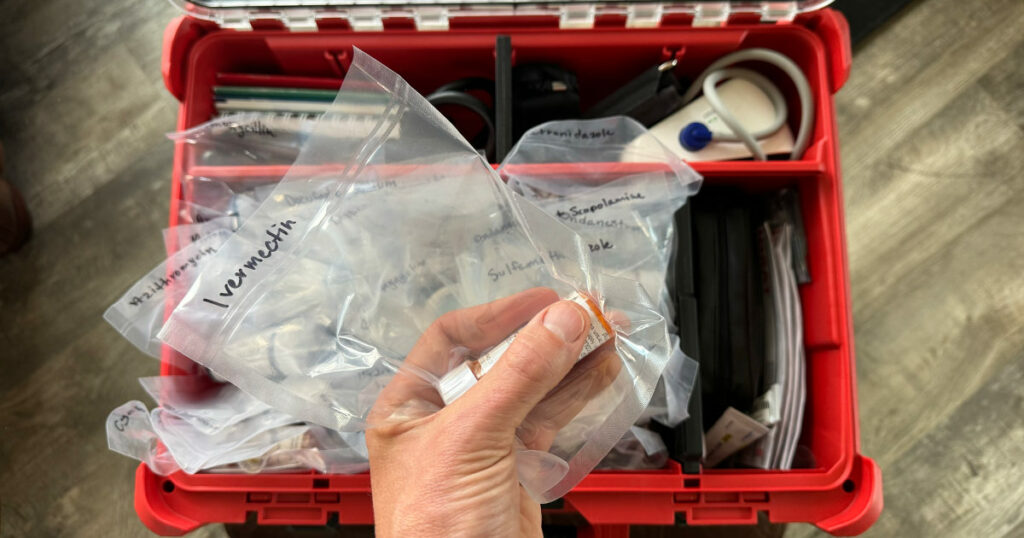
Vacuum sealing medications, especially in their original containers, can protect them from environmental factors that degrade their quality.
Why Vacuum Seal?
What to Watch Out For:
How do I vacuum seal these medications?
Vacuum-sealing medications in their original containers can be a straightforward and effective process when done properly. Using a chamber vacuum sealer ensures a secure, airtight seal for long-term storage.
Here's what I use:
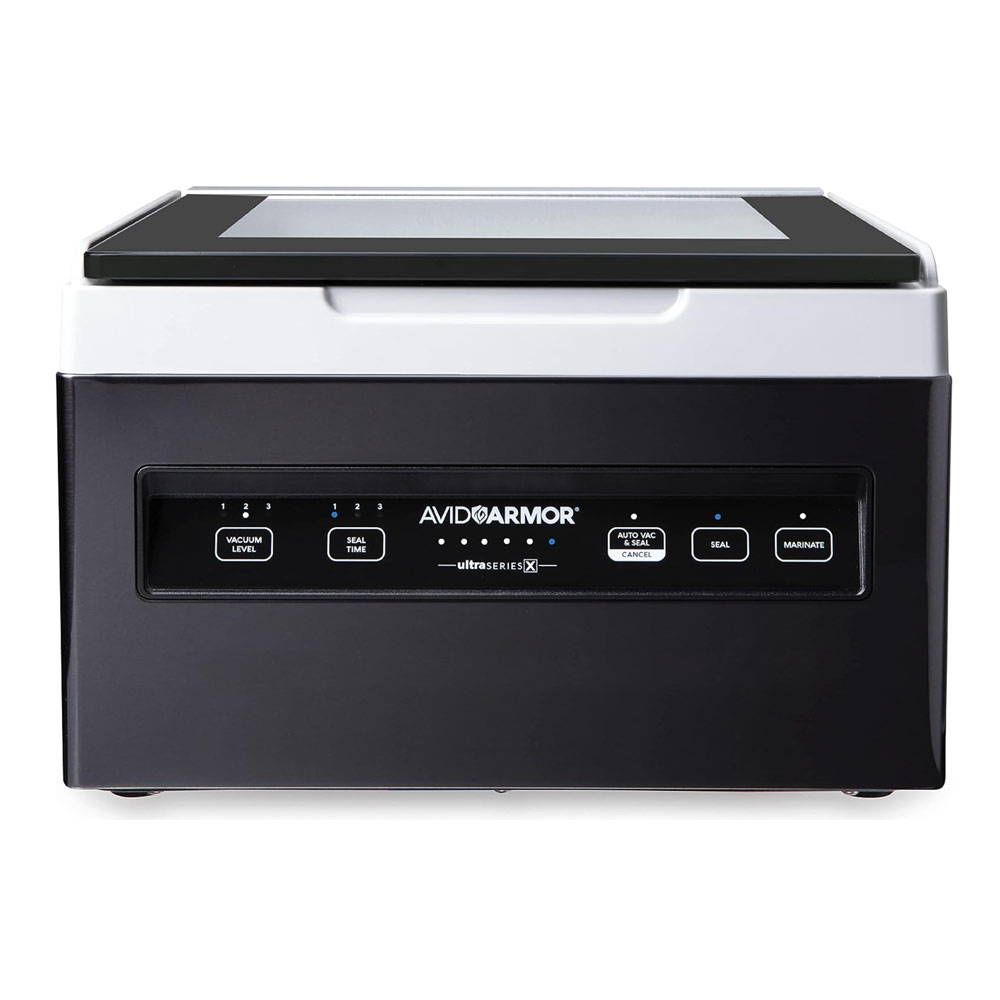
or...
Buy Online use coupon code: BUCKHORNor Purchase on Amazon
This one is great too (and less expensive)
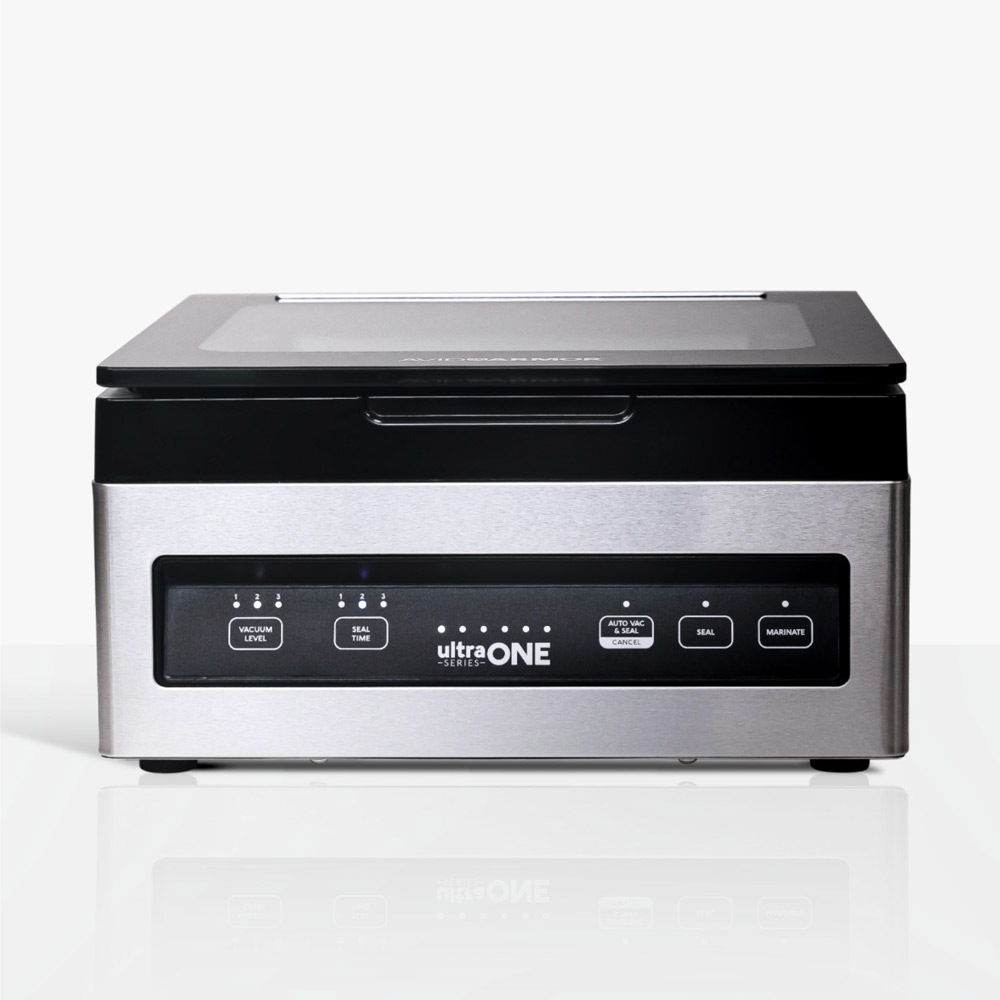
CHECK IT OUT use coupon code: BUCKHORN
Step-by-Step Guide to Vacuum-Sealing Medications
- Gather Your Supplies:
- Chamber vacuum sealer machine
- Heavy-duty vacuum-sealer bags
- Desiccant packets (optional, for extra moisture control if you're unsure of the moisture content when vacuum sealing - live in a humid climate)
- Prescription medications in their original containers
- Inspect the Medication Containers:
- Ensure the caps are securely tightened.
- Check that the container seals (if present) are intact to avoid moisture or air leaks during sealing.
- Prepare the Vacuum-Sealer Bag:
- Use the appropriate size bag, leaving a few extra inches for sealing.
- If using desiccant packets, place one inside the bag with the medication container for added humidity protection. Note: I did NOT use desiccants.
- Load the Bag into the Chamber:
- Place the medication container inside the vacuum-sealer bag and position it flat within the chamber.
- Ensure the bag’s opening is properly aligned with the sealing bar.
- Set the Machine Parameters:
- Adjust the vacuum pressure settings to prevent excessive compression.
- Use a moderate vacuum level to avoid damaging the pill bottle or its contents.
- Seal the Bag:
- Start the chamber vacuum sealer and let it remove the air and create a strong, airtight seal.
- Double-check the seal for uniformity and strength after the process is complete.
- Label the Sealed Bag:
- Clearly label the outside of the bag with the medication name, dosage, and expiration date for easy identification.
Why Use a Chamber Vacuum Sealer?
Tips for Optimal Sealing Results:
Temperature Control: A Critical Factor
Temperature plays a significant role in preserving the efficacy of medications.
What Does Temperature Control Look Like?
Comprehensive Storage in a Milwaukee Packout Box
For organization and protection, I prefer the Milwaukee Packout box as it's a durable and practical solution. Here's what you can store in it:
Common Questions About Medication Storage
Can vacuum-sealing medication damage the pills?
Vacuum-sealing won’t damage pills as long as they’re stored in their original container. Avoid excessive compression that might crush fragile pills or blister packs.How can I ensure labels remain readable?
Place the bottle inside a clear vacuum-sealed bag and include a note on the exact name on the outside of the bag at the top (easy to see when you're sorting through).What happens if medications get too hot?
Excessive heat can degrade active ingredients, rendering the medication less effective or even harmful. Store in a cool, dark place.Can topical ointments be vacuum-sealed?
Yes, but ensure they are in leak-proof containers to avoid messes. Use separate bags for ointments to prevent cross-contamination.How often should I check stored medications?
Inspect your stored medications every 6-12 months for expiration dates, label integrity, and container condition.How long do medications last past their expiration date?
The military's Shelf Life Extension Program found that 88% of 122 drugs stored under ideal conditions had their expiration dates extended, by an average of 66 months. Here's some information on medications past their expiration date:
Beyond the Label: The Surprising Shelf Life of Medications
Medications for Survival Situations: What to Stock
Practical Steps for Storing Medications
Properly storing medications and medical supplies is essential for preparedness and emergencies. By vacuum-sealing pills, controlling temperature, and organizing items in a durable storage system, you can ensure your supplies are ready when you need them. A well-thought-out system, such as using a Milwaukee Packout box that's easy to grab and go, can make all the difference in safeguarding your health in uncertain times.
Questions this answers
Tap a question for the short answer.
Can I vacuum seal medications?
Yes. Vacuum seal medications in their original containers using a chamber vacuum sealer set to a moderate vacuum level. Sealing cuts exposure to moisture, dust, and pests, and combined with cool, dark storage it helps the medication hold its potency. Label each bag with the name, dosage, and expiration date.
How do I store medications long term?
Vacuum seal them in their original containers with caps tight and seals intact, then keep them in a cool, dark place between 68°F and 77°F with stable temperatures. Inspect them every 6 to 12 months. I organize mine with devices, instructions, and supplies in a Milwaukee Packout box.
Will vacuum sealing crush or damage pills?
Vacuum sealing does not damage pills as long as they stay in their original container. Use a moderate vacuum level and avoid excessive compression that could crush fragile pills or blister packs. Slight compression of the bottle is fine if the pills stay intact and the bottle seal is unbroken.
What temperature should medications be stored at?
Most medications should be stored between 68°F and 77°F, in a spot with stable temperatures away from direct sunlight and heat sources. Avoid freezing unless the manufacturer specifies it. Excess heat degrades active ingredients, and a portable battery-powered cooler is an option if refrigeration is required and power is unreliable.
How often should I check stored medications?
Inspect stored medications every 6 to 12 months. At each check, look at the expiration dates, confirm the labels are still readable, and examine the condition of the containers.
Should I put a desiccant in with vacuum sealed medication?
A desiccant packet is optional. It adds moisture control and makes the most sense if you live in a humid climate or are unsure of the moisture level when sealing. If you use one, place it in the bag beside the medication container. I did not use desiccants in mine.
Keep going
Related to this
Membership · $49.95 per year
There is a lot more behind the lock
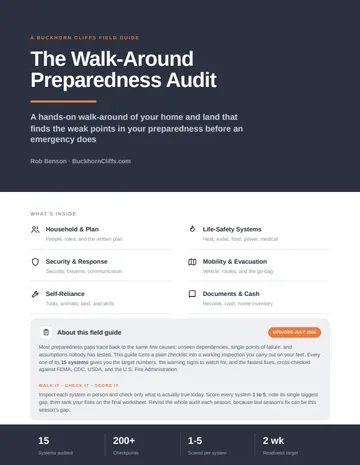
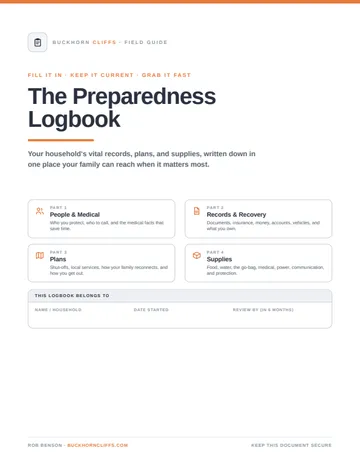
Every recipe and resource from the Prepper's Chemical Survival Guide, all six field guides to read here and download, the full audit and logbook, all twelve reference charts, and no ads.
My Manual · included
Build your own field manual
The most useful thing a membership gives you. Save any page on this site, recipes, charts, and whole field guides included. Arrange them in the order you want, name it, and print one manual with a cover and contents, or keep it as a PDF that opens with no signal.
- It works when this site does not
- Only your pages
- Anyone in the house can use it
- One current copy, not a pile of printouts
- The house binder
- A copy for the bug-out bag or truck
- A copy for family
- An offline PDF
Stay Ready
New entries, updates, and useful instruction.
Stay one step ahead on your preparedness journey.