Quick facts
- FirstRead the care label; a dry-clean-only blanket skips the machine
- WashGentle cycle, cold water, wool detergent (no enzymes, no bleach), a small splash of softener this one time
- DryLow heat, 10 minute cycles, clear the lint trap between each; stop while it is barely damp
- Extra softHalf a cup of white vinegar in the rinse strips residue and relaxes the fiber
- NeverHot water, a hot dryer, agitation on a normal cycle, bleach, enzyme detergents: all of them felt or shrink wool
- After thisWash rarely, cold and gentle or by hand, no softener, dry flat or on low ten minutes at a time
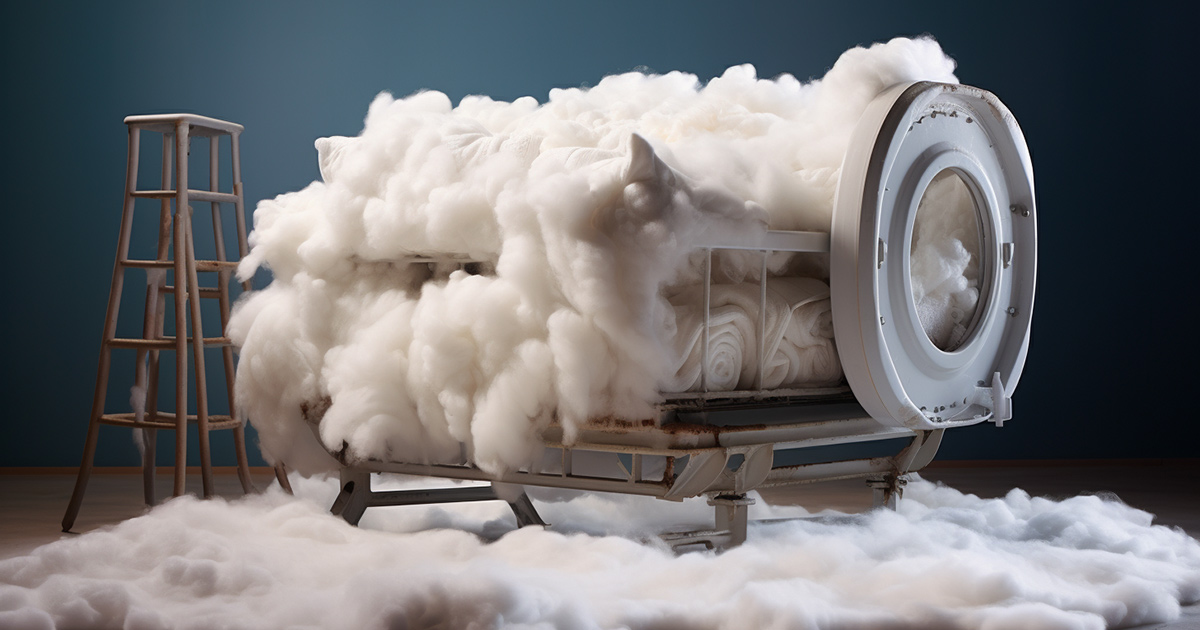
A good wool blanket is the last blanket you will buy, and the first night under a new one is miserable: stiff, scratchy, shedding, and smelling faintly of the mill. Twenty minutes of attention fixes it. The method below has broken in every wool blanket I own, and none of them shrank, felted or pilled. The same rules, used carelessly, ruin a blanket in one cycle, so the point of this page is the rules.
Why wool at all, and which weights and weaves to buy, is the wool page. This one is only about the first wash.
What you need
- The care label, read first
- Wool detergent: no enzymes, no bleach, no brighteners (a plain no-rinse wool wash or a mild neutral soap)
- A small splash of fabric softener, this one time
- Half a cup of white vinegar for the rinse, optional
- A washing machine with a gentle or wool cycle and cold water, or a bathtub
- A dryer with a low heat setting and a clean lint trap, or a bed and a sunny afternoon
The steps
- Hot water or a hot dryer: the blanket felts and shrinks a full size, permanently.
- A normal or heavy cycle: agitation felts it even in cold water.
- Enzyme detergents and bleach, including most everyday laundry soaps: they digest the protein fiber and it thins and pills.
- Fabric softener every wash: residue builds, lanolin goes, and the blanket stops managing moisture.
- Wringing, or hanging it wet: stretches the weave out of square.
From then on
Wool does not need washing the way cotton does. It sheds dirt when it dries, it does not hold body odor, and lanolin does some of the cleaning for you. Air it in the sun and shake it, spot clean with a damp cloth and a drop of wool soap, and wash it only when it is actually dirty, cold and gentle with vinegar in the rinse and no softener. Before it goes into storage for the summer it gets one last airing and goes into a breathable bag with cedar or lavender; moths eat wool, and they go for dirty wool first. Thirty years is a normal life for a blanket treated this way.
Questions this answers
Tap a question for the short answer.
How do I soften a new wool blanket?
One gentle cold wash with a wool detergent and a small splash of fabric softener, then the dryer on low in ten-minute cycles, clearing the lint trap between each, until it is barely damp, then finish flat or over a rail. That single cycle takes the sizing and the loose fiber out and relaxes the weave. A half cup of white vinegar in the rinse does a little more. Two or three nights of use finish the job.
Can I wash a wool blanket in the washing machine?
Yes, if the label allows it and you keep three things true: cold water, the gentle or wool cycle, and a detergent made for wool with no enzymes and no bleach. Heat and agitation are what felt and shrink wool, not water. A top loader with a center agitator is harder on wool than a front loader; use the shortest, gentlest cycle it has, or wash by hand in the tub.
Can I use fabric softener on wool?
Once, on the first wash, a small splash, to knock the stiffness out of a new blanket. Not after that. Regular softener coats the fiber with a residue that builds up, strips the natural lanolin, and cuts the moisture handling that makes wool worth owning. From the second wash on, white vinegar in the rinse does the softening without the residue.
Can I put a wool blanket in the dryer?
Only on low, only ten minutes at a time, and only until it is barely damp. Wool felts when it is hot, wet and tumbled together, so ten minutes at a time with the lint trap cleared between cycles keeps you in control; the trap fills fast on a new blanket, and a full trap means hot, slow drying. The last bit of moisture leaves it flat on a bed or over a rail. A hot dryer on a normal cycle will shrink a blanket a full size and turn it into a board.
Why is my new wool blanket scratchy?
Three things: the mill finishes the fabric with sizing that stiffens it, the shorter fibers have not shed yet, and the weave is still tight from pressing. The first wash and dry takes out the sizing and the loose fiber and relaxes the weave, and the blanket you sleep under is softer every night for a month. Coarser wools stay a little rougher; a sheet or a fleece liner between you and the blanket is normal use, not a workaround.
How do I wash a wool blanket after breaking it in?
As rarely as you can. Wool does not hold odor or dirt the way cotton does; air it in the sun and shake it out, and spot clean. When it needs a wash: cold, gentle cycle or hand wash in a tub, wool detergent, half a cup of white vinegar in the rinse, no softener, and dry flat or on low ten minutes at a time. Store it clean, dry, in a breathable bag with cedar or lavender, because moths eat wool and they prefer dirty wool.
Will a wool blanket shrink in the wash?
In hot water or a hot dryer, yes, and permanently; wool felts when it is heated, wet and agitated. In cold water on a gentle cycle and dried on low ten minutes at a time it does not shrink in any meaningful way. A blanket labeled preshrunk or washable has already been through a controlled version of this.
Keep going
Related to this
Membership · $49.95 per year
There is a lot more behind the lock
Every recipe and resource from the Prepper's Chemical Survival Guide, all nine field guides to read here and download, the full audit and logbook, all twelve reference charts, and no ads.
My Manual · included
Build your own field manual
The most useful thing a membership gives you. Save any page on this site, recipes, charts, and whole field guides included. Arrange them in the order you want, name it, and print one manual with a cover and contents, or keep it as a PDF that opens with no signal.
- It works when this site does not
- Only your pages
- Anyone in the house can use it
- One current copy, not a pile of printouts
- The house binder
- A copy for the bug-out bag or truck
- A copy for family
- An offline PDF





Stay Ready
New entries, updates, and useful instruction.
Stay one step ahead on your preparedness journey.