HazardousWorks without power
How it works
Quick facts
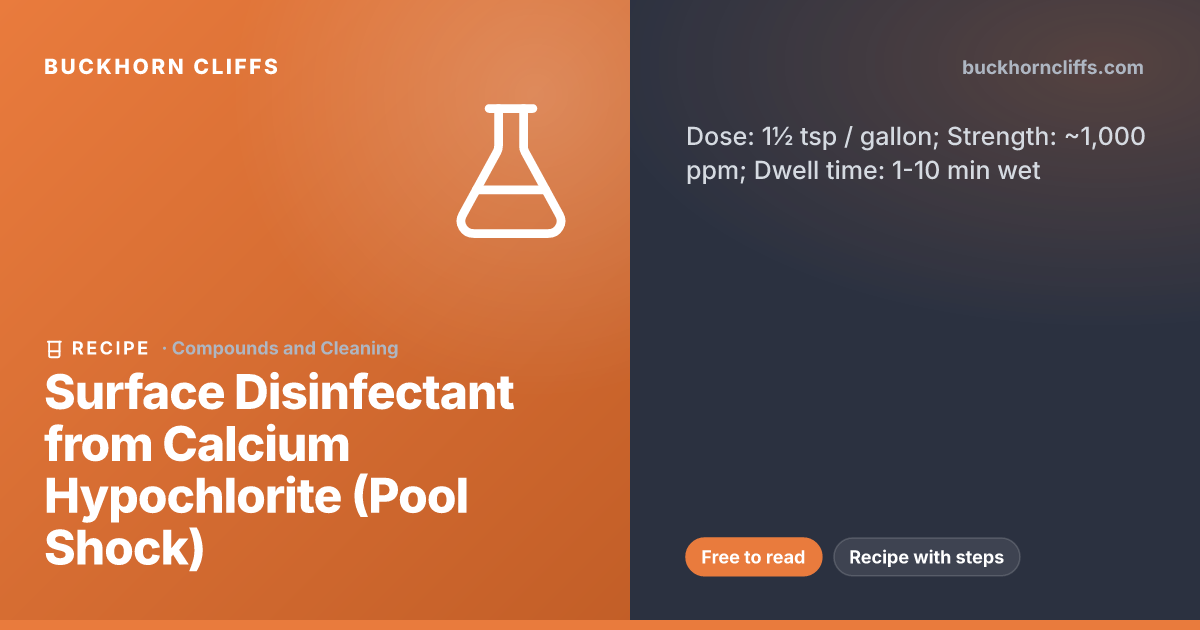
- Dose1½ tsp / gallon
- Strength~1,000 ppm
- Dwell time1-10 min wet
- Use within24 hours
- Dry shelf lifeup to 10 years
Hazard
Corrosive oxidizer. Acids or vinegar make toxic chlorine gas; ammonia makes toxic chloramine gas. Wear gloves and eye protection; ventilate.
Calcium hypochlorite (commonly sold as "pool shock") is a long-lasting, dry alternative to liquid bleach. When mixed with water, it creates a disinfecting solution effective for cleaning surfaces and killing bacteria and viruses. This method is ideal when commercial bleach isn't available or has expired.
What you'll need
- Calcium hypochlorite granules with 65-70% available chlorine content (no additives or algaecides)
- Freshwater source (well, stored supply, creek, or river)
- Measuring spoons (particularly 1 teaspoon)
- Non-metallic container (glass jar with seal or HDPE jug)
- Non-metallic stirring tool (plastic or wooden)
Steps
- Mix 1½ level teaspoons (about 5.7 to 6 grams) of calcium hypochlorite granules into 1 gallon of water and stir until dissolved
- This produces a strong chlorine solution (~1,000 ppm / 0.1%) effective for killing bacteria and viruses on hard surfaces
- Apply with a cloth, mop, or spray bottle
- Keep surfaces wet 1 minute for everyday germs, or 10 minutes for tougher ones and porous surfaces
- Use within 24 hours; the solution loses strength quickly once mixed
Warnings
Never ingest this mixture or mix it with other cleaners. Acids and vinegar make toxic chlorine gas; ammonia makes toxic chloramine gas. Always add powder to water, never the reverse, to avoid dangerous reactions and heat generation. Wear chemical-resistant gloves and eye protection. Work in well-ventilated areas. If you smell strong chlorine or experience coughing, throat irritation, or chest tightness, move to fresh air immediately. Keep dry powder away from fuels, oils, and combustible materials; calcium hypochlorite can ignite organic matter on contact. Keep away from children and animals.
Storage and shelf life
Sealed dry powder: up to 10 years if kept cool, dry, and out of direct sunlight. Check yearly for clumping or weak chlorine smell. Prepared solution: use within 24 hours. Best container: sealed glass jar or HDPE jug. Avoid metal. See the Containers section.
Questions this answers
Tap a question for the short answer.
How do I make bleach from pool shock?
Stir 1½ level teaspoons, about 5.7 to 6 grams, of calcium hypochlorite granules (65 to 70% available chlorine, no additives) into 1 gallon of water in a non-metallic container until dissolved. That gives a surface disinfectant of roughly 1,000 ppm. Always add the powder to the water.
How much calcium hypochlorite per gallon for disinfecting surfaces?
Use 1½ level teaspoons, about 5.7 to 6 grams, per 1 gallon of water. That makes a strong solution of roughly 1,000 ppm, or 0.1%, that kills bacteria and viruses on hard surfaces.
How long does homemade bleach solution last?
Use the mixed solution within 24 hours, since it loses strength quickly. The dry powder is the long-term store: sealed, cool, dry, and out of direct sunlight, it keeps up to 10 years. Check it yearly for clumping or a weak chlorine smell.
How long should disinfectant stay wet on a surface?
Keep the surface wet for 1 minute for everyday germs, or 10 minutes for tougher ones and for porous surfaces. Apply the solution with a cloth, mop, or spray bottle.
Can I use pool shock instead of liquid bleach?
Yes. Calcium hypochlorite, sold as pool shock, is a dry, long-lasting alternative that makes a disinfecting solution when mixed with water. It suits times when liquid bleach is unavailable or expired. Use granules with 65 to 70% available chlorine and no additives or algaecides.
Do I add pool shock to water or water to pool shock?
Always add the powder to the water, never water to the powder. The reverse can cause dangerous reactions and heat. Wear chemical-resistant gloves and eye protection, work with good ventilation, and mix in a non-metallic container with a plastic or wooden stirrer.
Keep going
Related to this
Membership · $49.95 per year
Everything on this site, open, printable, and yours on paper
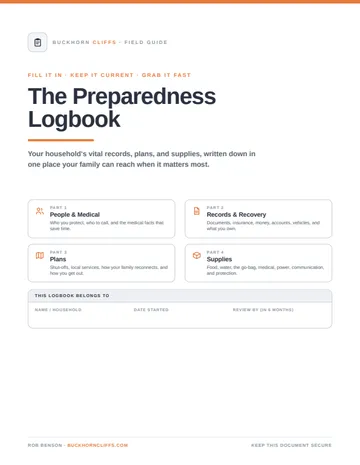
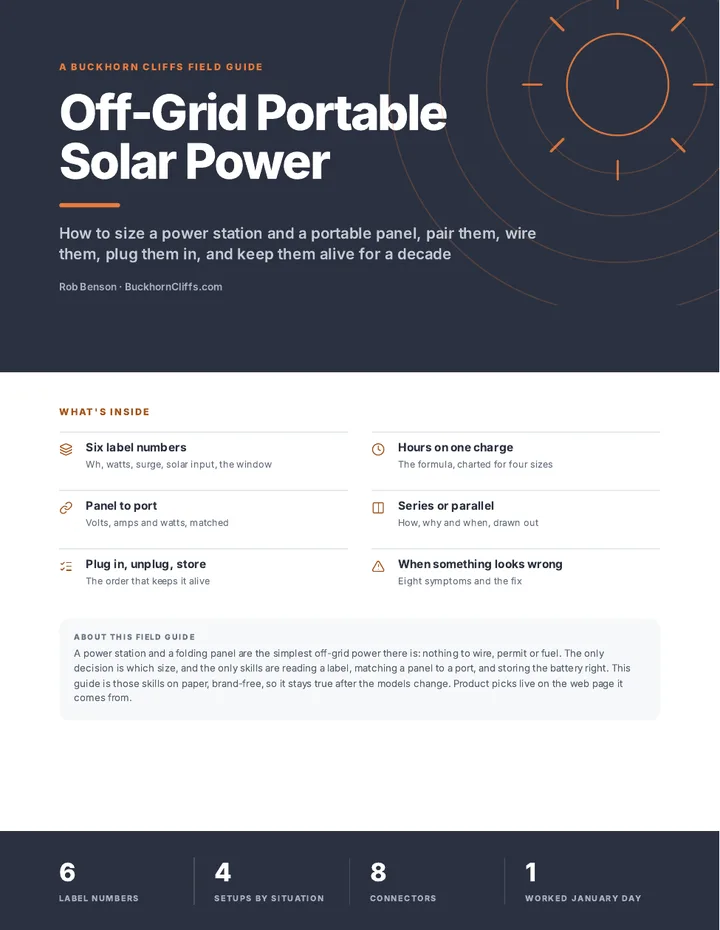
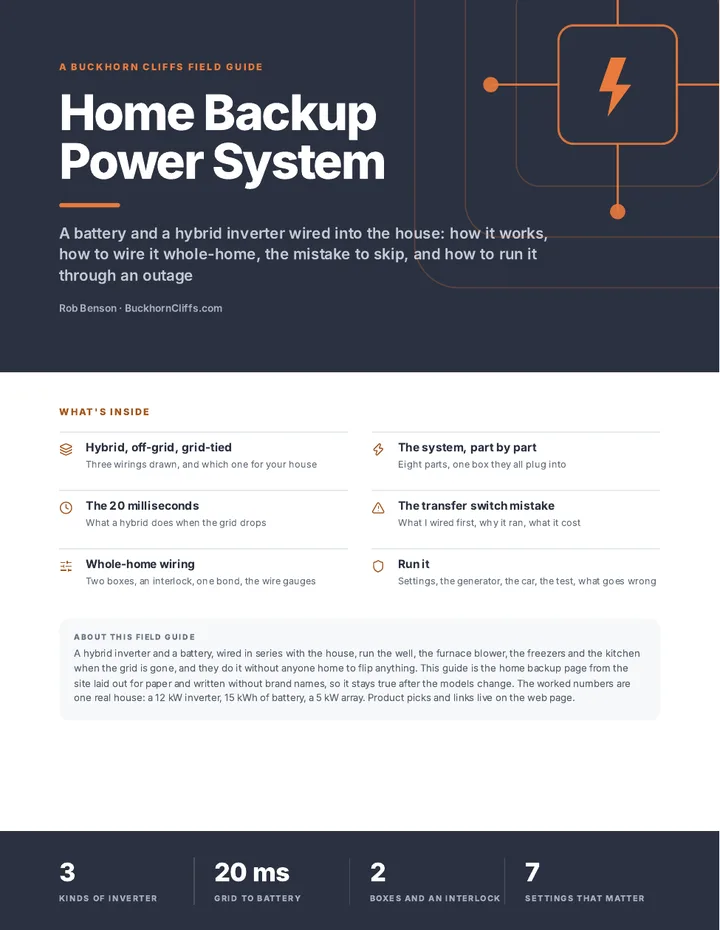
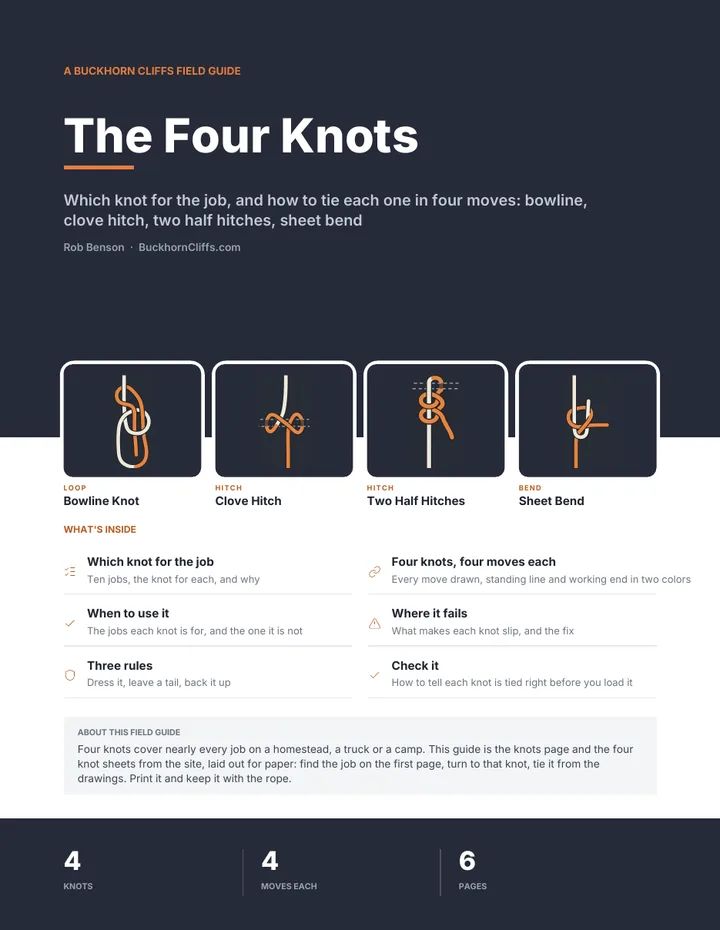
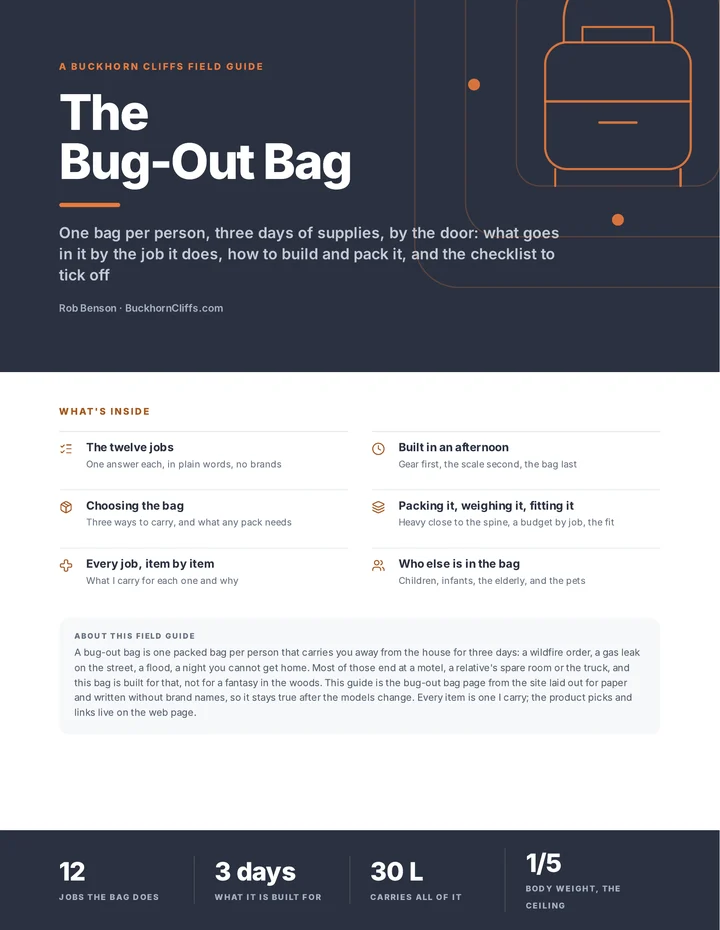
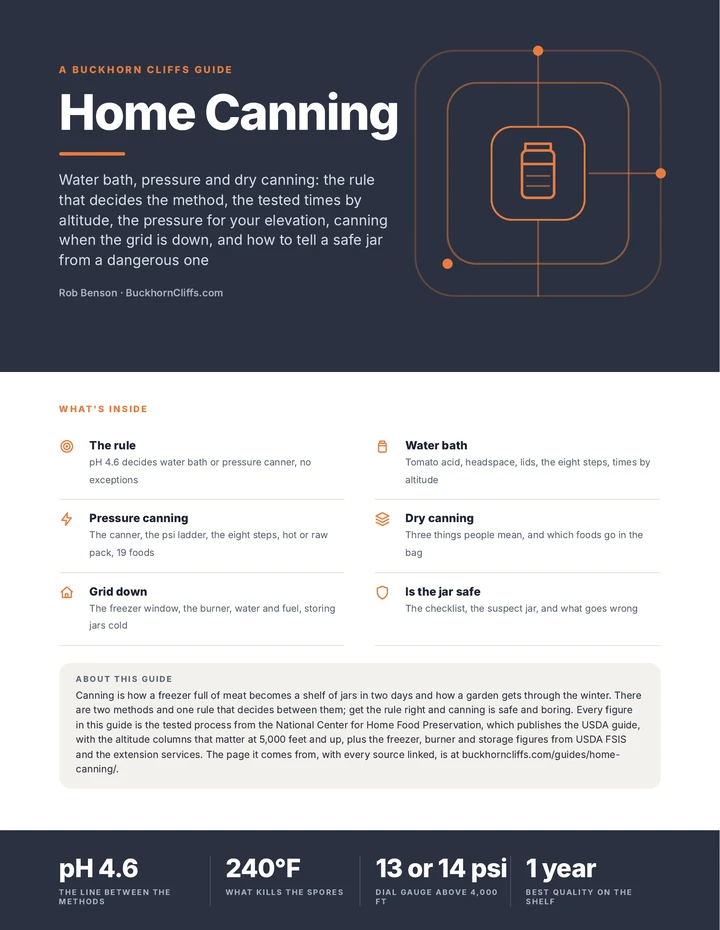
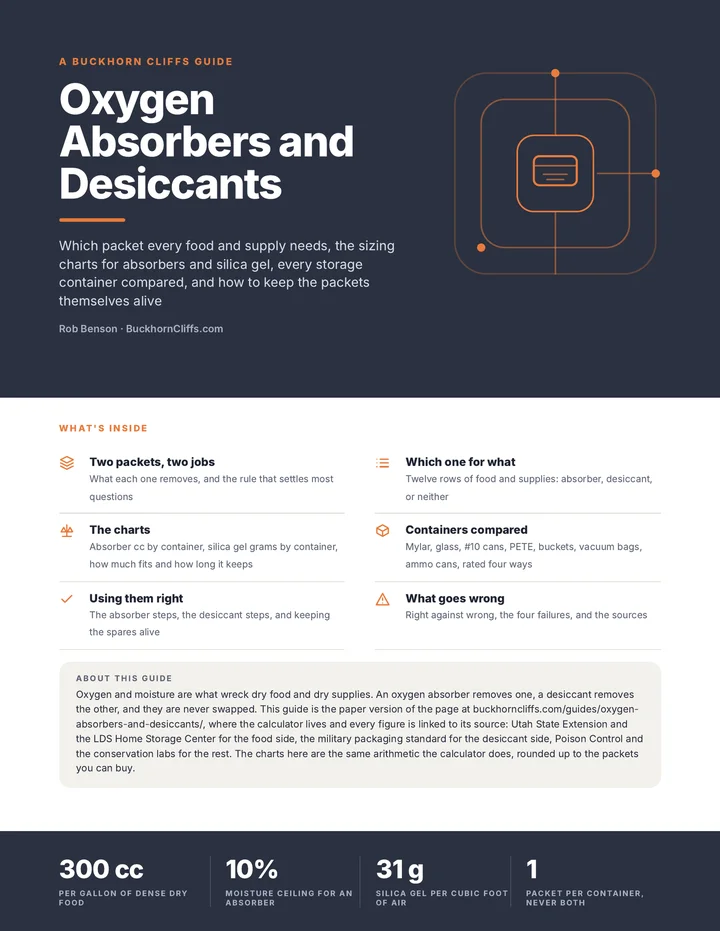
When the grid goes down, this site goes with it. Paper does not. Membership opens every member page and every recipe from the book, hands over all thirteen field guides as PDFs, and builds a binder from the pages your household uses.
- 158member pagesopen in full, every amount and every step
- 138compound recipesfrom the hardcover book, exact amounts. Pick any and add them to your manual
- 13field guides304 pages of PDFs, $130 bought one at a time
- 9military field guidesUS Army manuals cut to 66 pages and laid out to use
- 1manual of your ownbuilt from any page here, printed with your cover
- Every member page in full. the exact amounts, every step, every parts list
- Every recipe and resource from the book. all 138 from the Prepper's Chemical Survival Guide, searchable here
- All 13 field guides. read them here or download the PDFs, 304 pages
- A field guide for each of 9 Army manuals. the survival, first aid and other US Army manuals, each cut to 10 pages or fewer
- My Manual. save any page, recipe or whole guide, order it, print one binder with your own cover
- The audit and the logbook, saved. your scores and checklists on every device
- Print and Save as PDF on every page. and no ads
- One payment, $49.95 per year. Cancel any time and keep access to the end of the year you paid for.
- Sign in by email. No password, and the sign-in renews itself on every visit.
- Most of the site stays free. Membership is for the depth, the PDFs and the paper.



Stay Ready
New entries, updates, and useful instruction.
Stay one step ahead on your preparedness journey.