Quick facts
- Last frostfirst half of May on the plains and urban Front Range; late May into June in the foothills and mountains
- First frostearly to mid October on the plains and Front Range; early to mid September in the foothills and mountains
- Elevation effectaround 3.5 degrees cooler per 1000 feet gained
- Sunat least 6 to 8 hours per day
- Soil pHmost vegetables do fine from about 6.0 to 7.5
- Compost1 inch for every four inches of soil
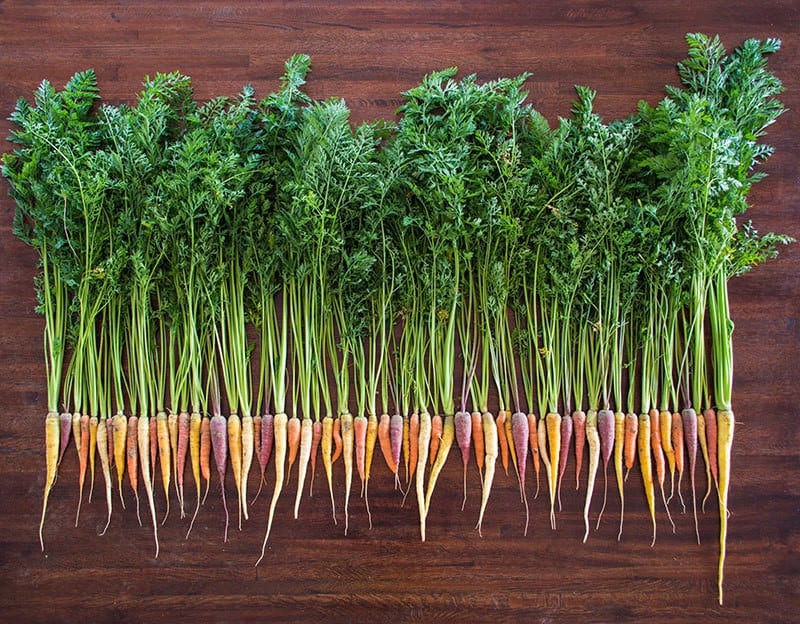
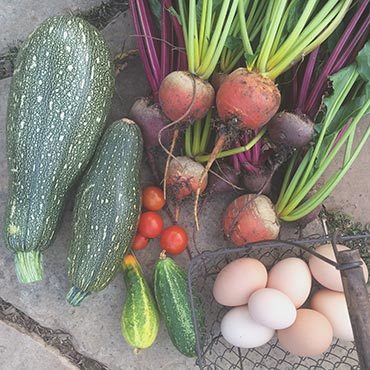
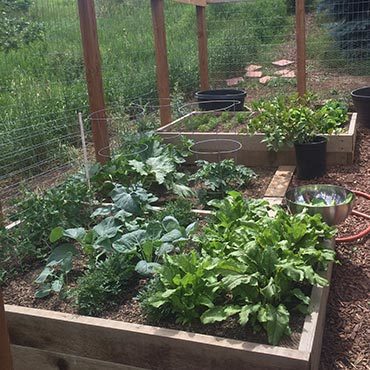
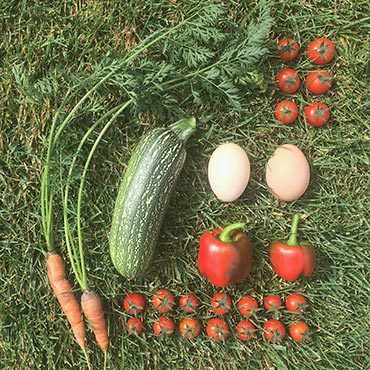
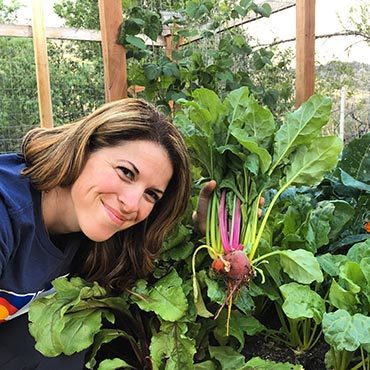
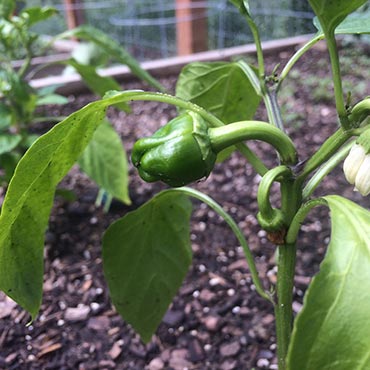
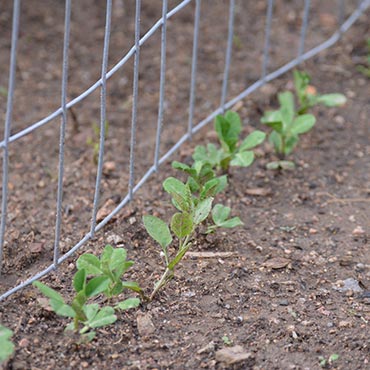
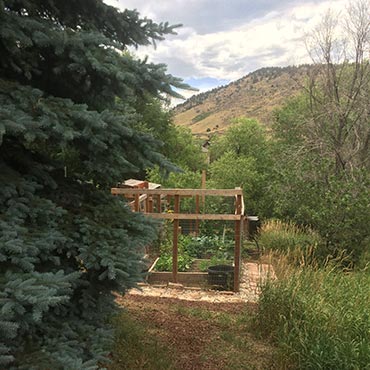
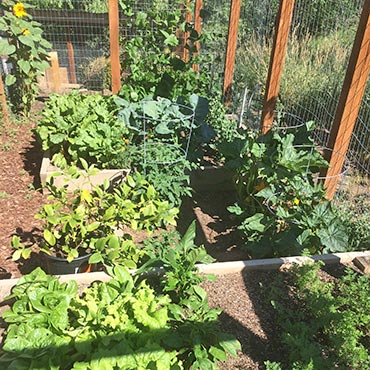
The photos here are from the garden at my previous property on the northern Front Range.
Growing your own vegetables is an incredibly rewarding experience that also pays you back with fresh food! But to get the best results and to reduce frustration, you should know how to garden for your location. Whether you’re a beginner gardener or just new to gardening in Colorado, this guide will help you get the most from your efforts.
How to Get Started with Your Colorado Garden
Understand Your Colorado Growing Season
The local climate and how it affects the growing season is one of the main things to keep in mind when planning a Colorado garden. The state includes a variety of microclimates and 9 different “growing zones,” which means certain plants may grow well in some parts of the state and not in others.
While there are differences, most of Colorado has a shorter growing season as compared to warmer, lower altitude areas. The average elevation across the state is 6,800 feet above sea level, and for every 1000 feet gained, the temperature drops around 3.5 degrees. Gardeners at lower elevations get the benefit of a warmer, longer growing season and will be able to grow more types of vegetables. There are exceptions though, such as in valleys, which are often chillier than hillside locations due to the sinking of cool night air.
With all that in mind, it’s important to know where your garden falls on the Plant Hardiness Zone Map, and in general, you will have the most success if you grow plants that are labeled as growing well in your particular zone.
Be Aware of the Weather
Once you have an idea of your climate and growing zone, you should also recognize that Colorado weather presents a unique set of challenges that you’ll have to contend with if you want your garden to thrive. Gardening in a high altitude, mountainous region means you’ll be dealing with relatively low humidity, high intensity sunlight, and sometimes rapid and extreme weather changes. For example, even Denver, which is known for hot summer days, can still experience cool spells within the growing season that may disrupt plant development. In addition, conditions can range from being very dry to extremely wet, and hail storms near the end of summer can destroy plants just as they’re nearing the harvest date.
When growing in this region, you should stay vigilant about checking the weather and protect plants accordingly. It can be very worthwhile to invest in things like row covers, hoop tunnels, shade cloth, and wind breaks, as they can help protect your plants against extreme or rapidly changing weather.
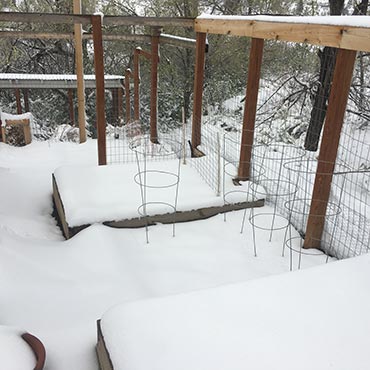
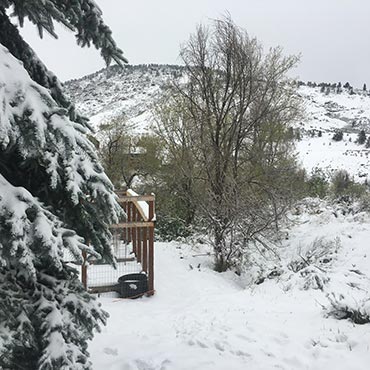
Late April Snowfall
Late snow in Colorado is all too common. While it's annoying it can be expected. It's hard to not get antsy when you have 80 degree days in March and April. Don't push the start date, it's not worth it and you'll have plenty of time in the fall to harvest.
Late May Snowfall
Most of the pictures here are from my old home, I now live a little further west (in the mountains at a slightly higher elevation). Here's a look at a late May snow.
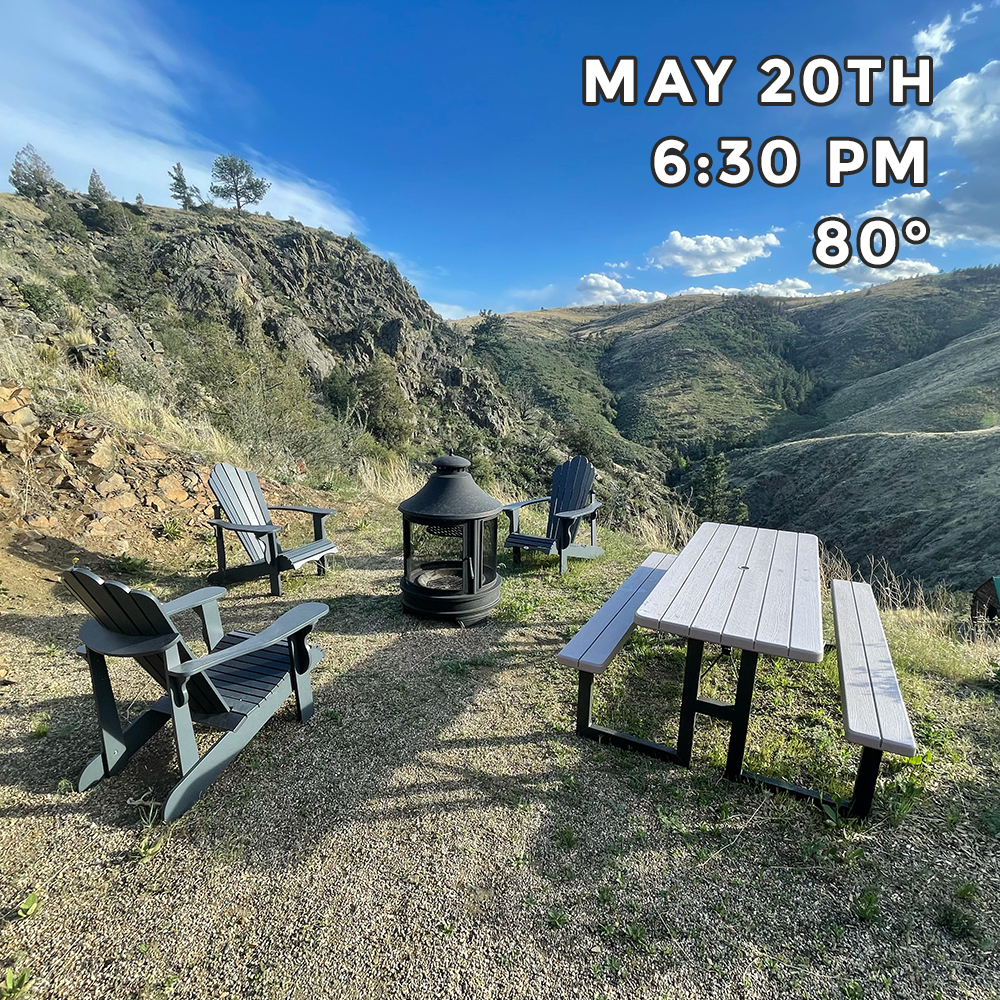
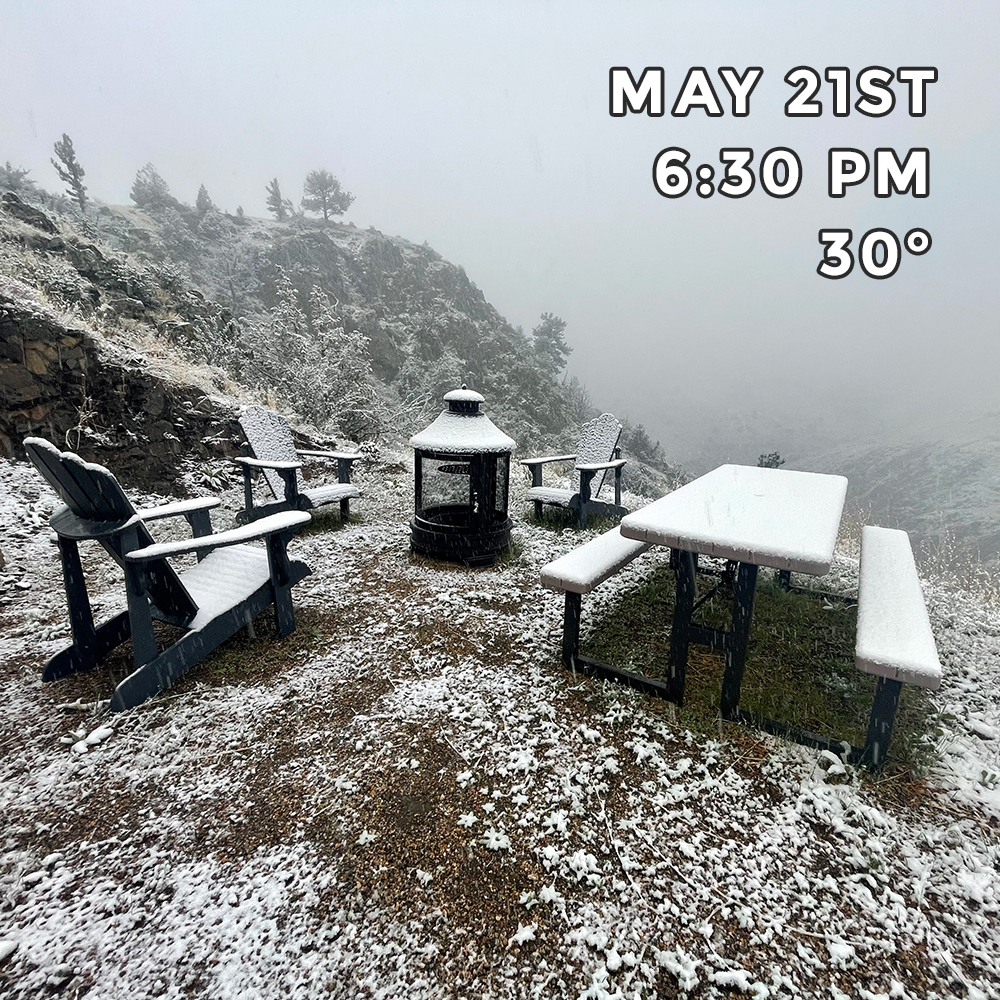
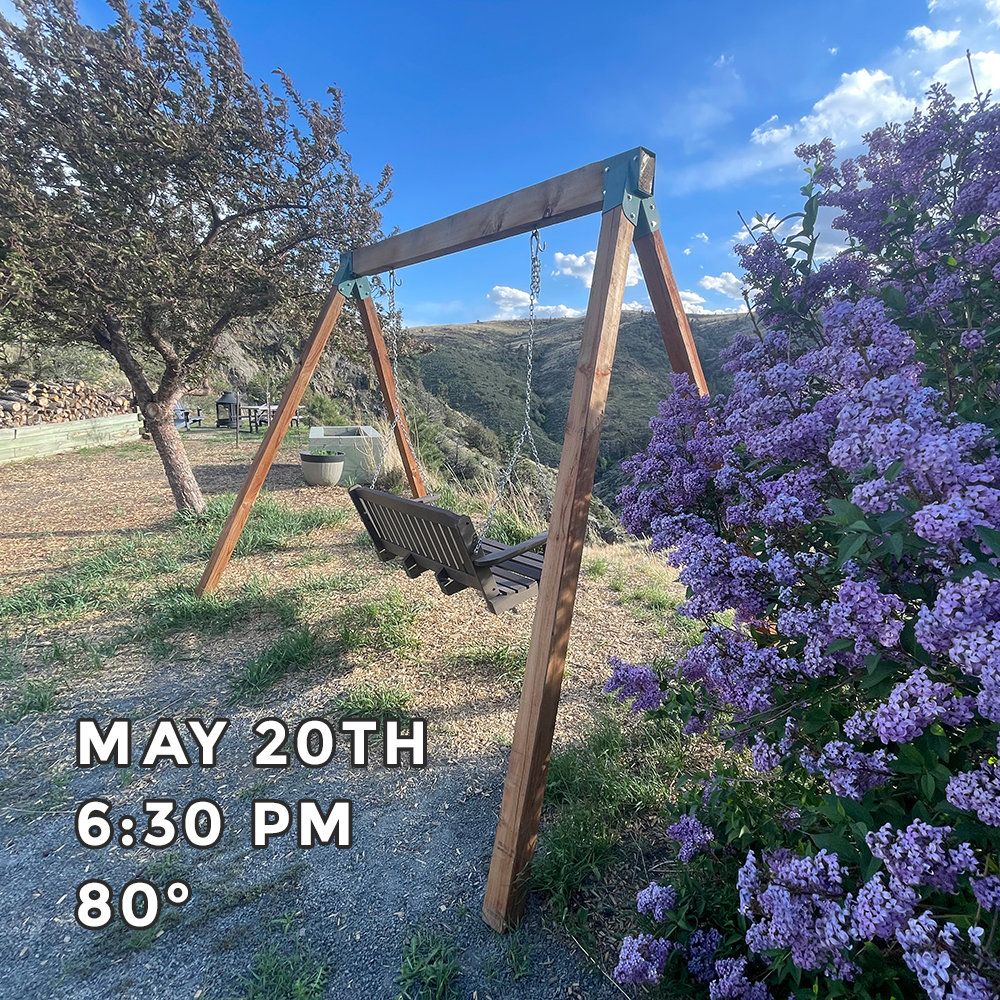
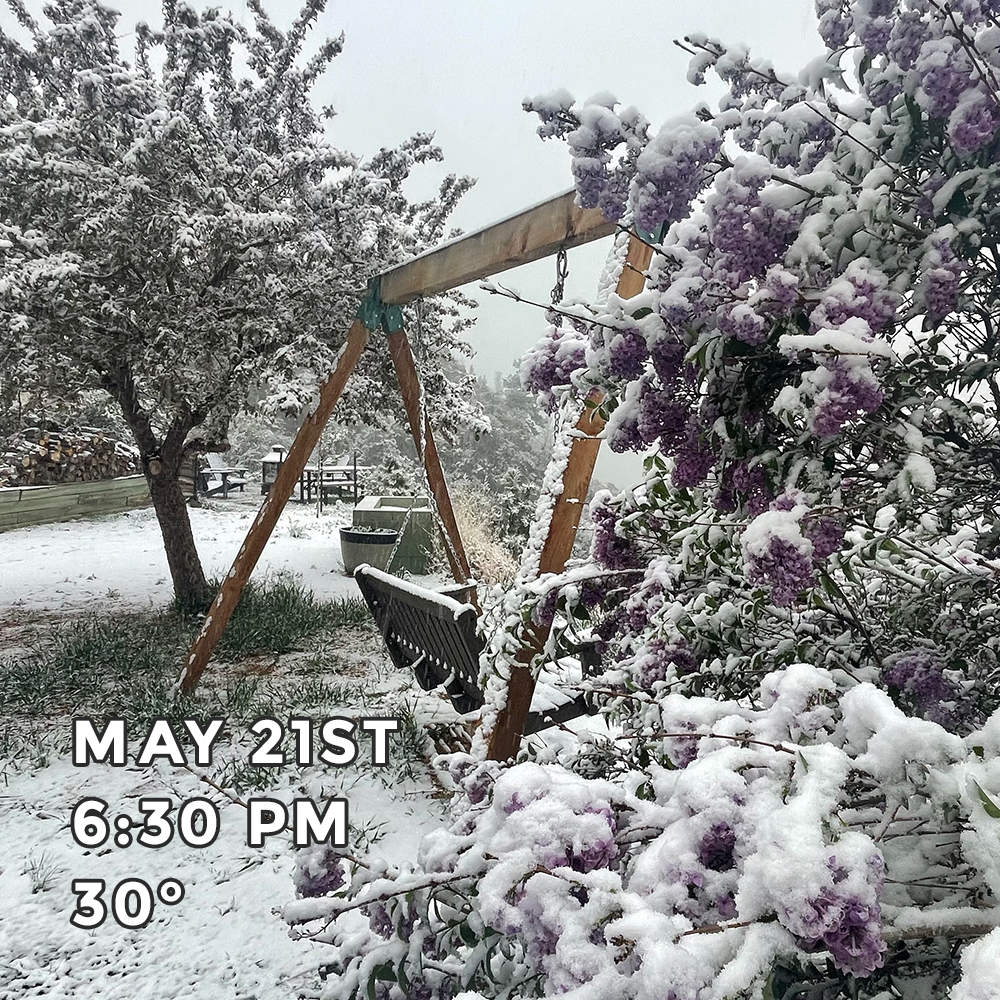
Even if the weather is nice in May... it's a gamble planting at high elevation.
Decide What Plants to Grow
Once you’ve pinpointed your growing season and understand how the local weather may influence things, you’ll have a more realistic idea of what plants you can grow successfully in your area. With that in mind, make a list of all the vegetables you’d like to grow for the particular season, taking into account the space you’ll have in the garden. If you’re starting in the early spring, you can grow some cool-weather plants in the beginning of the season and put out some warm-weather veggies shortly after.
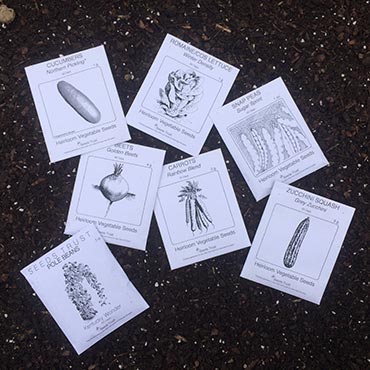
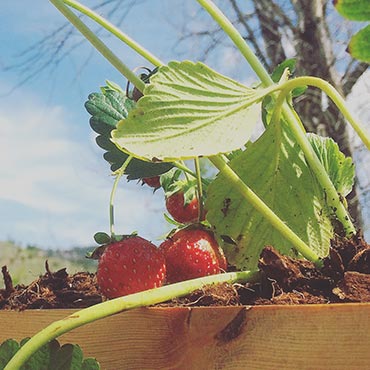
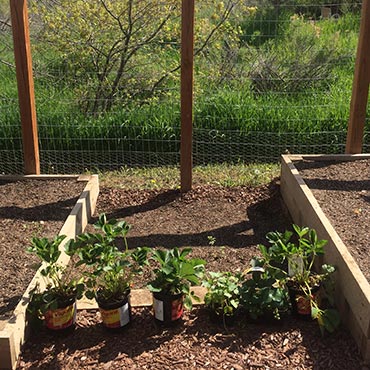
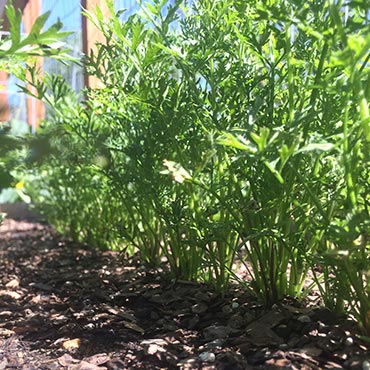
About 80% of the plants you see in this garden were grown using seeds from SeedsTrust. They specialize in seeds that are cold-tolerant, short-season varieties, perfect for my high-altitude Colorado garden. And not only that, but they offer heirloom seeds and information on seed saving so you can preserve your favorite garden varieties year after year. I had amazing success with my SeedsTrust Rainbow Blend Carrots (as you can see from the photo below).
Below are some of the most popular cool and warm-season crops that can grow well in Colorado.
Cool-Season Crops in Colorado
- Turnips
- Beets
- Kale
- Spinach
- Lettuce
- Peas
- Carrots
- Radishes
- Chard
- Cabbage
- Parsnips
- Cauliflower
- Broccoli
- Leeks
- Brussels sprouts
- Potatoes
- Onions
- Parsley
Warm Season Crops in Colorado
- Tomatoes
- Peppers
- Eggplant
- Beans
- Cucumbers
- Corn
- Squash
- Melons
- Eggplant
Prepare a Garden Site
You should begin preparing your garden well before it’s actually time to start growing vegetables. If starting a new Colorado garden, preparation involves choosing a suitable location, designing the layout, and preparing the soil. If you’re a beginner gardener, it’s important to not get over your head in the size or scope of your garden, as this will only lead to frustration. Start with a few plants that you can easily handle, so you can get an idea of what you’re capable of managing and how things grow in your area.
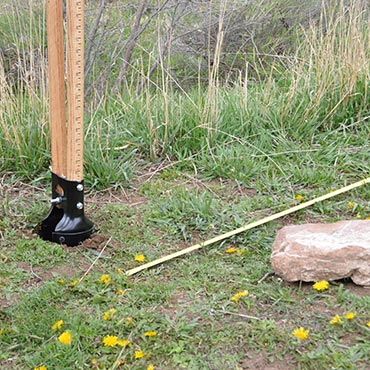
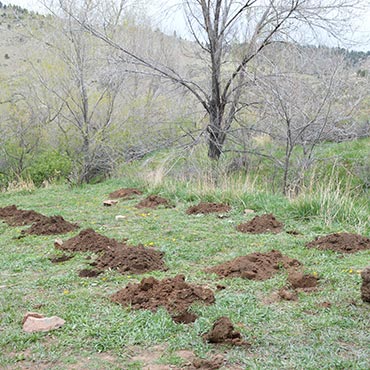
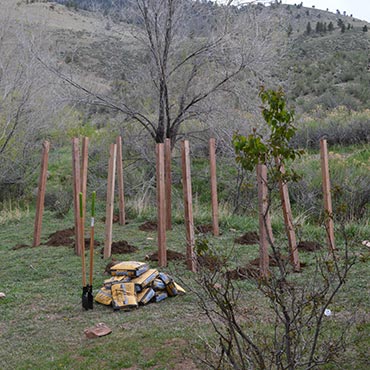
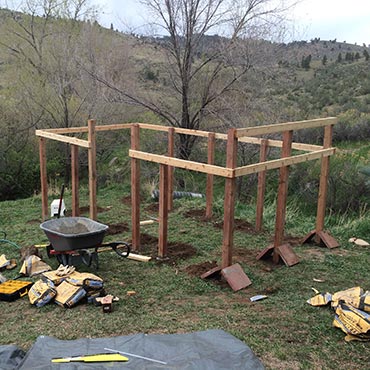
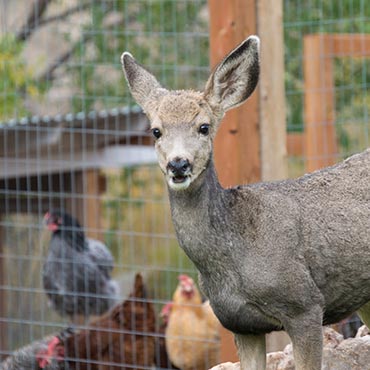
In my location in the foothills (6,000ft) I have a lot of deer. A regular garden wouldn't cut it, I needed "walls". Here's a look at my building process for a deer-proof garden.
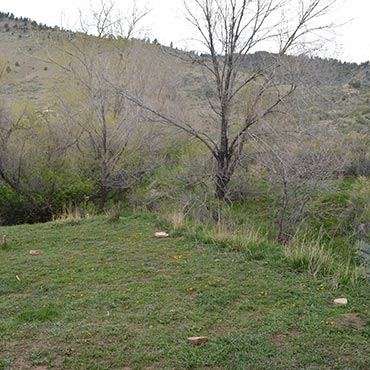
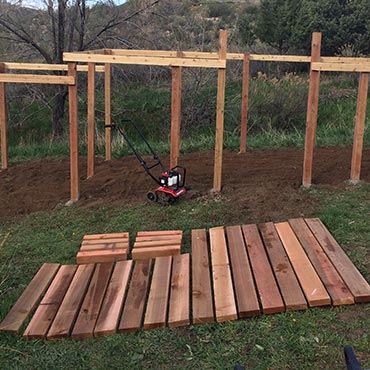
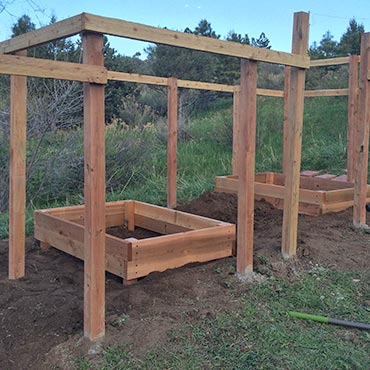
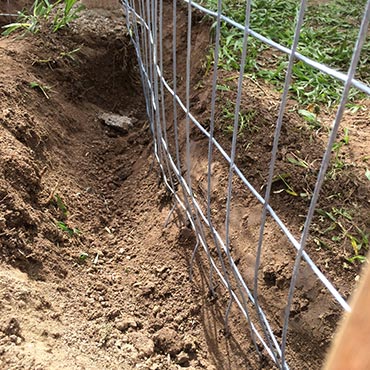
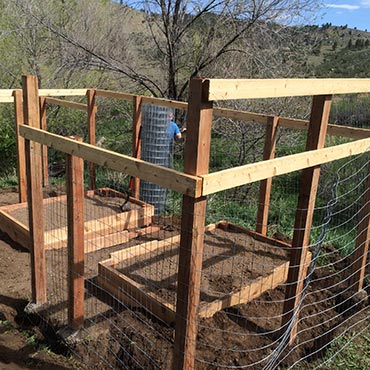
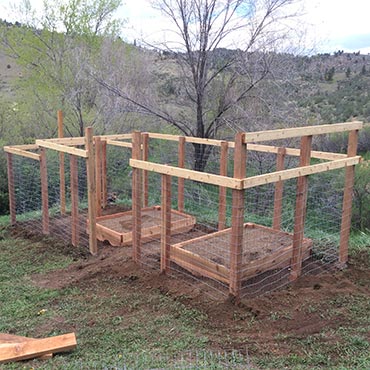
Keeping The Deer Out
They're cute but they'll eat all your hard work.
Tips on Picking a Good Garden Spot
- Select a site that gets at least 6 to 8 hour of sun per day (many warm-season vegetables thrive with even more hours of sunlight).
- Choose a place near your home for convenient tending and watering.
- If growing warm-season crops, select the warmest spot on the property (usually on the south side or near your house, which radiates heat).
Garden Soil Preperation
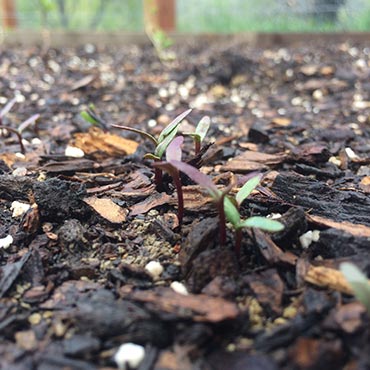
Once you have your site chosen, you’ll need to get the soil ready for planting by doing the following:
- Dig up any grass or vegetation within the site.
- Till the soil to loosen it (this can be done by hand or with a machine).
- While tilling, add in organic matter or compost which will enrich the soil and provide nutrients for the vegetables. A general rule for adding compost or organic material is to incorporate 1 inch of it for every four inches of soil.
Much of Colorado has alkaline, clay soils, so it’s likely that you’ll need to amend your soil with a good deal of organic matter to loosen it. Most vegetables do fine anywhere from about 6.0 to 7.5. In Colorado soils with free lime, lowering the pH is rarely practical, so add organic matter to loosen the clay and feed the soil, not to change the pH.
Decide Between Raised Beds or an In-Ground Garden
Choosing between raised beds versus growing in-ground is largely a matter of personal preference. However, there is one major advantage to choosing raised beds when you’re dealing with Colorado weather: the soil in raised beds gets warmer sooner. This means you can start planting earlier and give your vegetables more time to reach full development. This one advantage can make all the difference if you’re in a place with a shorter than average growing season.
Another benefit of using a raised bed in Colorado is that you don’t have to contend with potentially poor, clay-filled soil. You simply fill the beds with the optimum amount of dirt and organic material from the start and enjoy loose, aerated soil without worrying about extensive tilling or amendments.
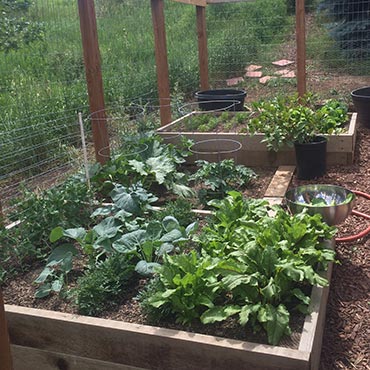
The major downside of using raised beds is that they can be expensive to both build and fill with soil. In comparison, you could theoretically clear a place in your yard and add homemade compost to it with virtually no cost.
A good compromise is to use raised beds for your warm-weather veggies and plant your cool-season crops directly in the ground, since they’re more tolerant to cold soil.
When Do I Plant My Colorado Garden?
Most vegetables grow best on frost-free soil, so one of the first things every gardener should know is the last and first frost dates for their location. In other words, on what date in the spring does frost stop showing up on the ground and on what date in the fall does it reappear. Of course, these dates are always an approximation and are different throughout the state, but frost dates swing widely across Colorado. On the plains and the urban Front Range the last frost usually falls in the first half of May and the first fall freeze in early to mid October. In the foothills and mountains the last frost runs late May into June and the first freeze comes in early to mid September, sooner in high valleys.
For spring gardens, you can plant some types of cold hardy veggies a few weeks before the last frost date, but warm-season crops should only go outside after all danger of frost has passed. There are many online sources for finding your last and first frost date, so make sure to take note of those times when planning your garden, and read seed packets to find out when it’s safe to put a particular plant outside.
Frost-Hardy Vegetables (Good & Bad)
Here’s a quick guide to some of the most and least frost-hardy vegetables. Use it as a basic guideline when deciding when to plant what veggies:
Very Frost Hardy (good for early spring, spring, and fall gardens)
- Kale
- Lettuce
- Collards
- Spinach
- Mustard
- Turnips
- Radish
- Cabbage
- English Peas
- Broccoli
- Brussels sprouts
- Parsley
Semi-frost hardy (can handle light frosts, good for spring and fall gardens)
- Beets
- Swiss chard
- Celery
- Carrot
- Cauliflower
- Potatoes
- Lettuce
Not Frost-Hardy (require temps of 65 to 90 degrees to grow, good for high spring and summer gardens)
- Tomatoes
- Peppers
- Eggplant
- Beans
- Cucumbers
- Summer Squash
- Sweet potatoes
- Melons
- Pumpkins
- Southern Peas
- Eggplant
Plant Inside & Plant Early
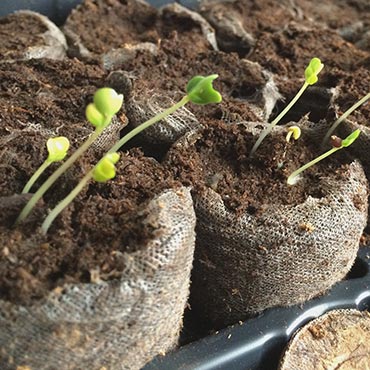
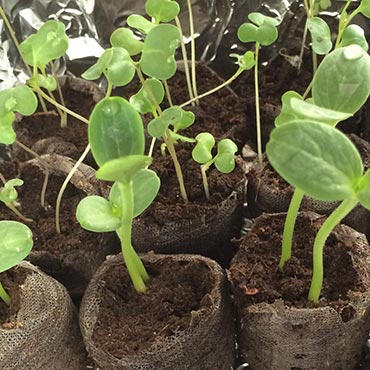
Where to Start Seeds (indoors or outdoors)
You can start some veggie seeds indoors, if you want to give your plants a bit of a head start, while others do better if sown directly in the ground or bed. The easiest way to know if you can start a seed indoors is to read the instructions that come on the seed packet. Most packets will list all the most important info you need to know for growing the plant, such where to start the seed, when to plant, how much light it needs, etc.
In Colorado, it can be a smart idea to start warm season crops indoors (about 6 to 8 weeks before the last frost) to ensure they get a long enough growing time. It’s less necessary to start seeds indoors for cold weather veggies, like greens, carrots, beets, and lettuce, and many of these plants tend to do better anyway when they aren’t transplanted. Kale, collards, mustards, and other greens are among the most tolerant to cold weather (they even taste sweeter in the cold), so you can feel comfortable sowing those directly outdoors early in the growing season.
How to Extend Your Colorado Growing Season
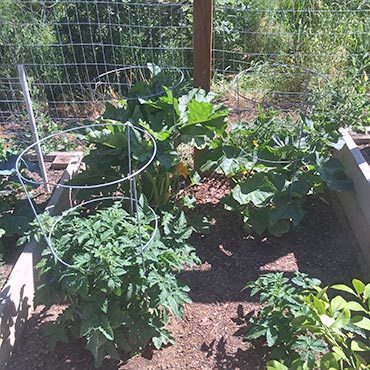
Cooler weather and late frosts in parts of Colorado can cut weeks or months off the growing season. In addition to starting some seeds indoors, you can counteract this and extend your growing season by using one or more of these tips:
- Cover the soil with black plastic and/or mulch to help keep it warm.
- Use raised beds.
- Plant frost-tolerant veggies early.
- Plant cool-weather crops as soon as soil temperatures allow.
- If there’s a chance of late frost, protect plants by covering them. Frost blankets or row covers are very convenient for this, but if you’d like to save the expense, you can also use things like milk jugs, old cartons, bags, etc.
- Use a hoop tunnel, cold frame, or green house for a convenient, long term solution. These items have higher upfront costs, but can add months to both your spring and fall growing seasons.
Final Tips for Growing Vegetables in Colorado
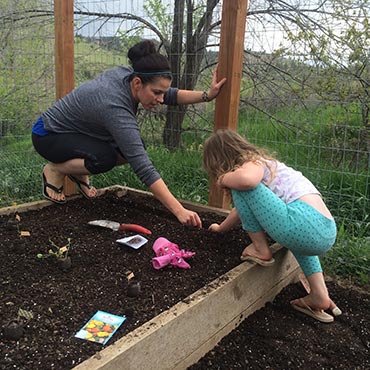
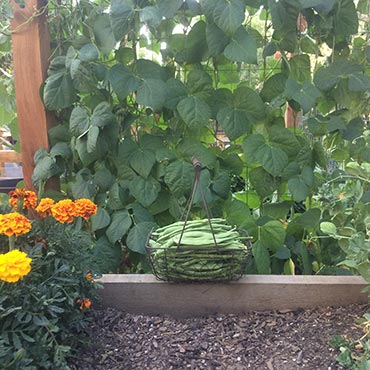
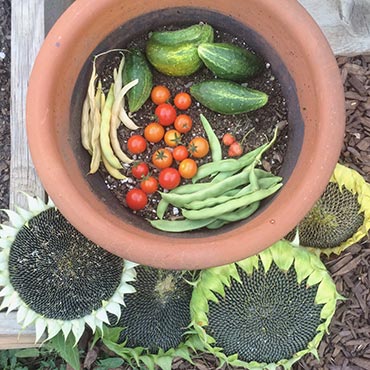
Use mulch around the plants.
Because the atmosphere is thin at high altitudes, water evaporates faster. A layer of mulch around the plants can help keep moisture in and prevent the soil from drying out as fast.Look for quick growing varieties of plants.
The “days to harvest” info on many seed packets is tested in warmer, lower altitude conditions and may not be entirely accurate for your location. So, select seeds types with the fewest days to harvest.Look for varieties described as “cold-tolerant".
Check seed packets for characteristics like “cold tolerant,” “reliable in cool weather,” “productive,” or “vigorous.” These should have the greatest chance of surviving any unseasonable cold-spells and should reach maturity within the growing season.
In general, mountain gardens will have the best luck with cool season crops and may even have a harvest that surpasses gardens at lower elevations. Successful gardening is largely about embracing what is known to grow well in your area and not trying to force plants that are more suited to different environments.
Questions this answers
Tap a question for the short answer.
When do I plant a vegetable garden in colorado?
Plan around your frost dates, which swing widely across Colorado. On the plains and the urban Front Range the last frost usually falls in the first half of May. In the foothills and mountains it runs late May into June. Cold hardy vegetables can go out a few weeks before the last frost, but warm-season crops should wait until all frost danger has passed.
What vegetables grow well in colorado?
Cool-season crops that do well include turnips, beets, kale, spinach, lettuce, peas, carrots, radishes, chard, cabbage, broccoli, potatoes, and onions. Warm-season picks are tomatoes, peppers, eggplant, beans, cucumbers, corn, squash, and melons. Cold-tolerant, short-season seed varieties suited to your growing zone give the best results.
How do I garden at high elevation?
Expect a shorter season, since temperature drops around 3.5 degrees for every 1000 feet gained. Choose cold-tolerant, short-season varieties for your zone, do not push the start date even after warm spring days, and protect plants with row covers, hoop tunnels, shade cloth, and wind breaks against snow, hail, and sudden swings.
Should I use raised beds in colorado?
Raised beds have one big advantage in Colorado: their soil warms sooner, so you can plant earlier, and you skip the poor clay soil. The downside is the cost to build and fill them. A good compromise is raised beds for warm-weather vegetables and in-ground planting for cool-season crops.
When is the last frost date in colorado?
It depends on where you are. On the plains and the urban Front Range the last frost usually falls in the first half of May and the first fall freeze in early to mid October. In the foothills and mountains the last frost runs late May into June and the first freeze comes in early to mid September. Look up the dates for your own location.
How do I fix alkaline clay soil for a garden?
Work in plenty of organic matter or compost while tilling. It loosens the clay and feeds the soil, but it is not there to change the pH. In Colorado soils with free lime, lowering the pH is rarely practical, and most vegetables do fine anywhere from about 6.0 to 7.5. A general rule is 1 inch of compost for every four inches of soil.
Keep going
Related to this
Membership · $49.95 per year
There is a lot more behind the lock
Every recipe and resource from the Prepper's Chemical Survival Guide, all six field guides to read here and download, the full audit and logbook, all twelve reference charts, and no ads.
My Manual · included
Build your own field manual
The most useful thing a membership gives you. Save any page on this site, recipes, charts, and whole field guides included. Arrange them in the order you want, name it, and print one manual with a cover and contents, or keep it as a PDF that opens with no signal.
- It works when this site does not
- Only your pages
- Anyone in the house can use it
- One current copy, not a pile of printouts
- The house binder
- A copy for the bug-out bag or truck
- A copy for family
- An offline PDF


Stay Ready
New entries, updates, and useful instruction.
Stay one step ahead on your preparedness journey.