Quick facts
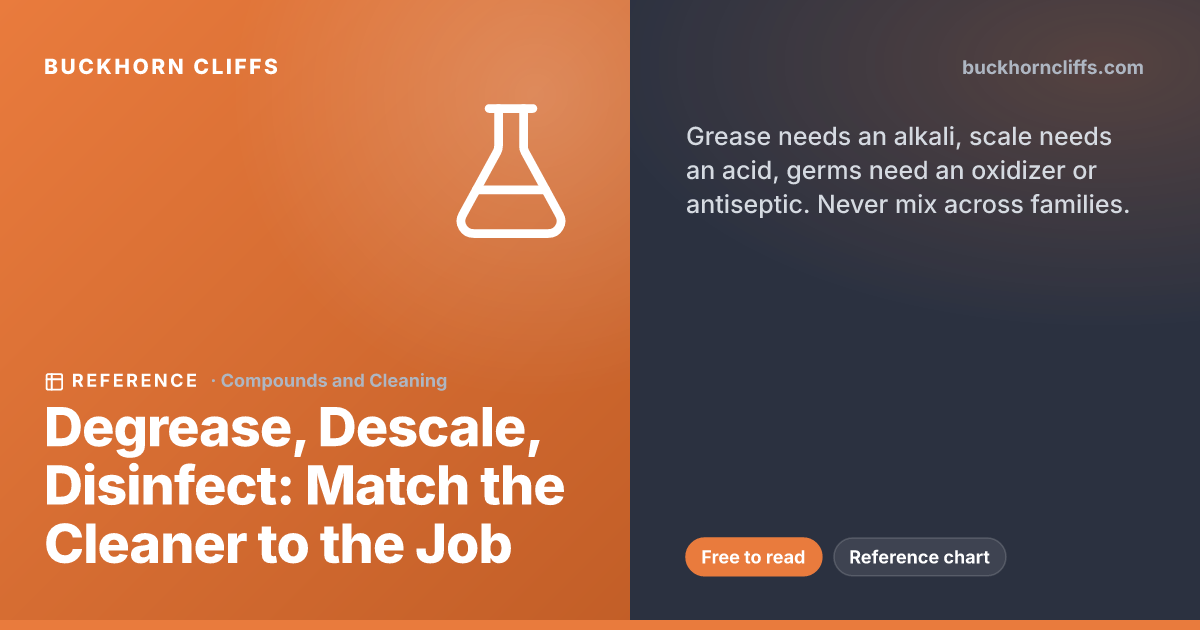
- GreaseAlkali or soap
- Scale and rustAcid
- GermsOxidizer or antiseptic
Cleaning comes down to three jobs: cut grease, dissolve mineral scale, or kill germs. The compounds for each are not interchangeable, so the right pick depends on what you are actually fighting, not on which cleaner is strongest.
The three families
Degreaser
Alkaline and soap
Cuts grease, oil, and baked-on food. Strong alkalis turn fats into rinsable soap, and soaps surround grease and lift it away.
Descaler
Acid
Dissolves mineral deposits like limescale, hard-water film, and rust, breaking them into a form that rinses away.
Disinfectant
Oxidizers and antiseptics
Kills germs on surfaces, tools, skin, and in water. It sanitizes rather than cutting grease or scale, and the chlorine type must never meet an acid.
Common messes, matched
Warnings
Never mix across families. An acid and an alkali cancel into salt and water; far worse, an acid meeting a chlorine disinfectant like calcium hypochlorite makes toxic chlorine gas. Use one, rinse, then reach for another. See the never-mix chart for the full list to keep apart.
Questions this answers
Tap a question for the short answer.
Which cleaner do I use for limescale?
Limescale needs an acid. Use vinegar or citric acid on kettle and coffee-maker scale, hard-water film, and toilet bowl rings. The acid breaks mineral deposits into a form that rinses away. Never let an acid meet a chlorine disinfectant, since that makes toxic chlorine gas.
What removes baked-on grease?
Baked-on grease needs an alkali. Soak baked-on pots and pans in washing soda, and use a washing soda spray or paste on a greasy oven, hood, or stovetop. Strong alkalis turn fats into rinsable soap. Lye is the step up for tough grease clogs in drains.
What kills mold and mildew?
Mold and mildew call for a disinfectant, not a degreaser or an acid. Use hydrogen peroxide, and move up to calcium hypochlorite for tough spots. Rinse between products, because calcium hypochlorite meeting an acid makes toxic chlorine gas.
Keep going
Related to this
Membership · $49.95 per year
Everything on this site, open, printable, and yours on paper
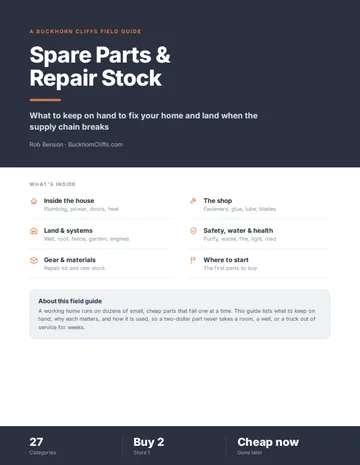
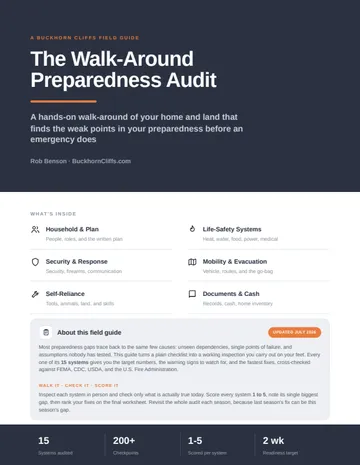
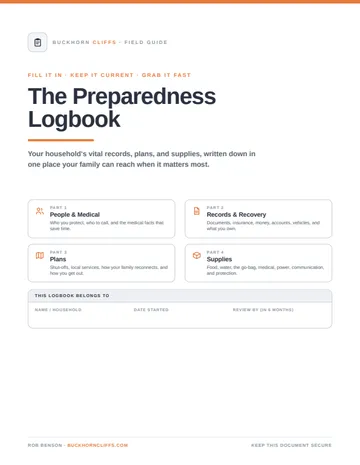
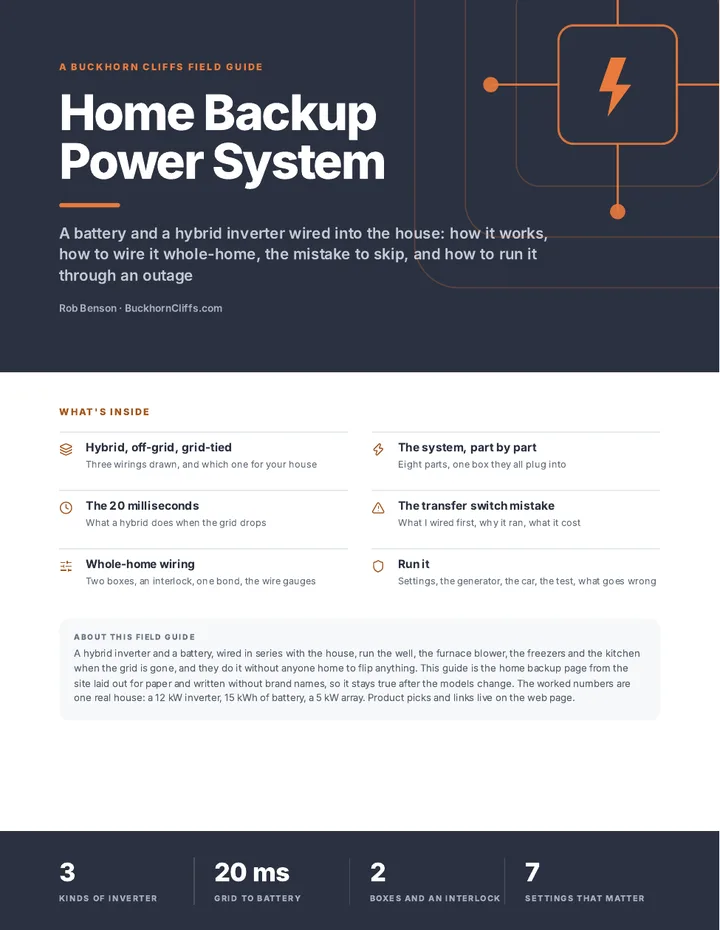
When the grid goes down, this site goes with it. Paper does not. Membership opens every member page and every recipe from the book, hands over all thirteen field guides as PDFs, and builds a binder from the pages your household uses.
- 158member pagesopen in full, every amount and every step
- 138recipeswith exact amounts, from the book and beyond it
- 13field guides304 pages of PDFs, $130 bought one at a time
- 1manual of your ownbuilt from any page here, printed with your cover
- Every member page in full. the exact amounts, every step, every parts list
- Every recipe and resource from the book. all 138 from the Prepper's Chemical Survival Guide, searchable here
- All 13 field guides. read them here or download the PDFs, 304 pages
- My Manual. save any page, recipe or whole guide, order it, print one binder with your own cover
- The audit and the logbook, saved. your scores and checklists on every device
- Print and Save as PDF on every page. and no ads
- One payment, $49.95 per year. Cancel any time and keep access to the end of the year you paid for.
- Sign in by email. No password, and the sign-in renews itself on every visit.
- Most of the site stays free. Membership is for the depth, the PDFs and the paper.

Stay Ready
New entries, updates, and useful instruction.
Stay one step ahead on your preparedness journey.