Quick facts
- TypeLoop
- Holds whenSteady pull on the loop
- Fails whenSlack and shaking, or stiff slick rope
- Unties after loadYes, even after a hard load
A fixed loop that holds under load, won't slip, and unties easily after.
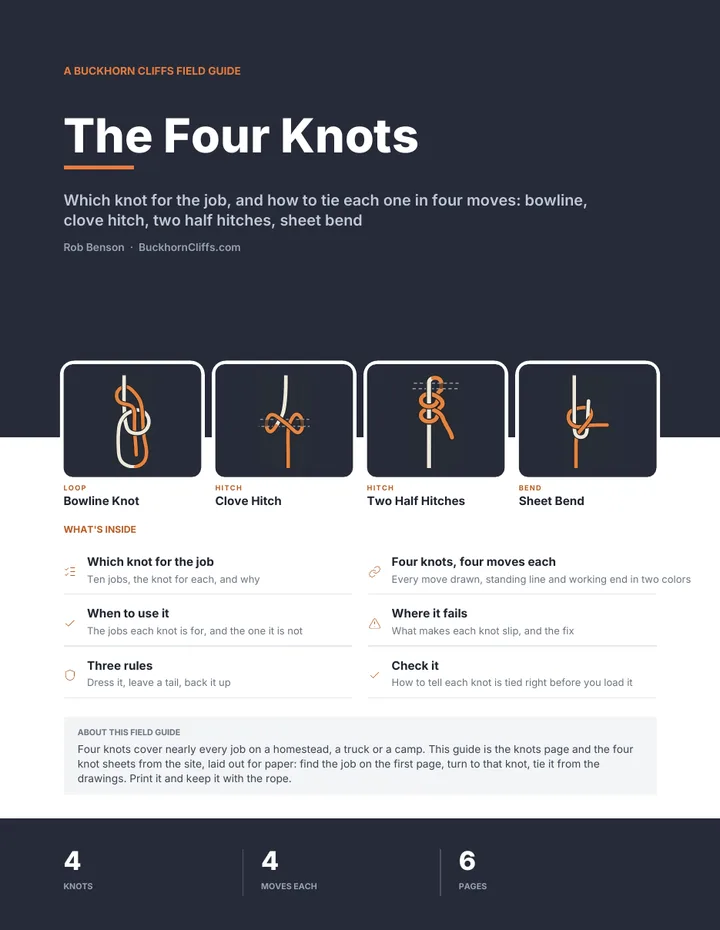
Part of Knots: which knot for the job, where the knot is picked by the problem. This page is the one knot: when it's the right one, the four moves to tie it, and what makes it fail.
When to use it
How to tie it
Four moves. One knot.
Standing lineWorking end
1
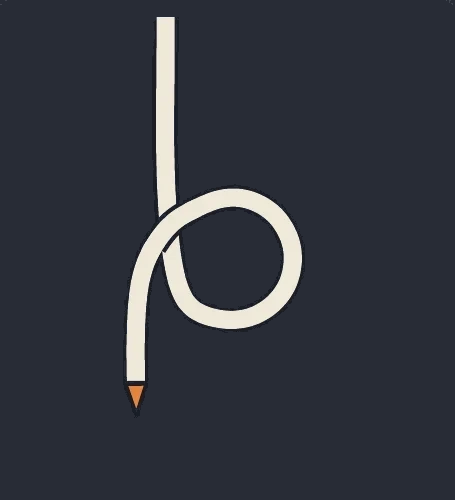
Make the holeSmall loop in the standing line. Working side lies on top.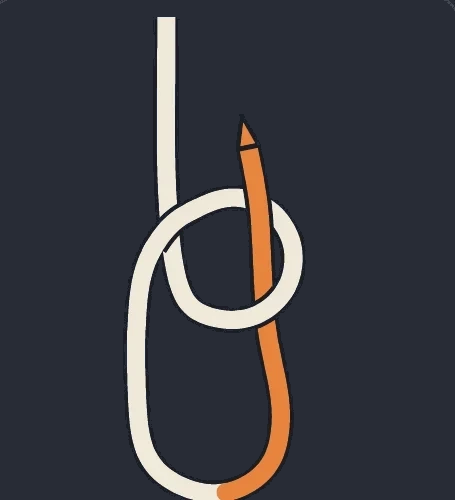
2
Rabbit comes upWorking end goes up through the loop from underneath.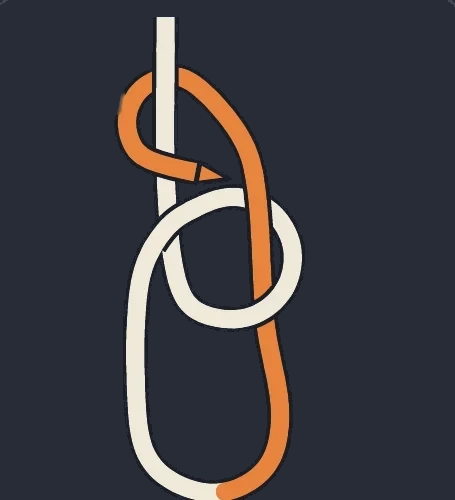
3
Around the treeBehind the standing line, then back around the front.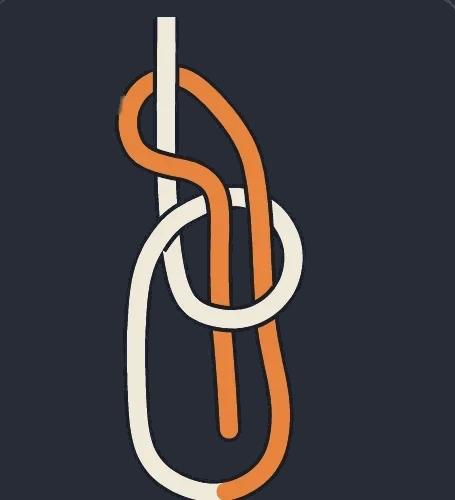
4
Back down the holeDown through the loop. End sits inside the big loop. Pull tight.
Check it: the tail lies inside the loop and the knot sets when you pull the standing line. Tail outside the loop means it went round the wrong way. Retie it.
Where it fails
Watch out
It can untie itself when slack. It holds under steady pull. Loose and shaking, or in stiff or slippery rope, it can work open.
- Leave a long tail. At least 10 times the rope thickness.
- Lock it if it will sit slack. Half hitch the tail around the nearest leg of the loop.
The other three
Four knots cover nearly every job on a homestead, a campsite, or a truck. The rest are on the knots page, picked by the job.
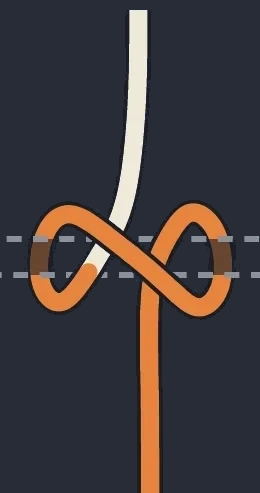 Clove Hitch
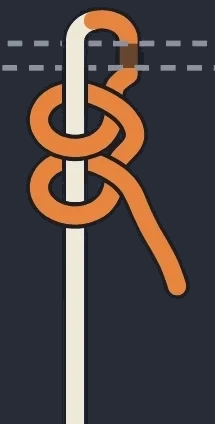 Two Half Hitches
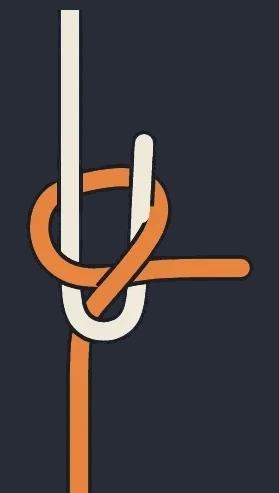 Sheet Bend
Questions this answers
Tap a question for the short answer.
How do you tie a bowline knot?
Make a small loop in the standing line with the working side on top. Bring the working end up through that loop from underneath, around behind the standing line, and back down through the small loop. Pull the standing line and the loop apart to set it. The tail should lie inside the big loop.
What is a bowline used for?
Any job that needs a fixed loop that will not cinch down: a rescue loop under the arms (locked with a half hitch for a person), tying off to a tree, post, ring or stake, hoisting packs and bear bags, the fixed end of a tarp or guy line, and mooring lines. Two bowlines linked loop through loop also join two ropes.
Does a bowline slip?
Not under a steady pull. It can work open when the rope sits slack and shakes, and in stiff or slippery rope. Leave a tail at least ten times the rope thickness, and if the knot will sit slack, half hitch the tail around the nearest leg of the loop.
How do you keep a bowline from coming undone?
Leave a long tail and lock it: a half hitch with the tail around the nearest leg of the loop, snug to the knot. Check before loading that the tail lies inside the loop; if it lies outside, it went round the wrong way and needs retying.
What is the best knot for a loop that won't tighten?
The bowline. It makes a fixed loop that holds under load, does not close down on whatever is inside it, and unties easily afterwards. That is why it is the rescue loop.
Keep going
Related to this
Membership · $49.95 per year
There is a lot more behind the lock
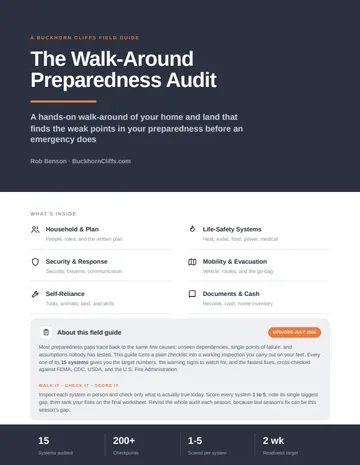
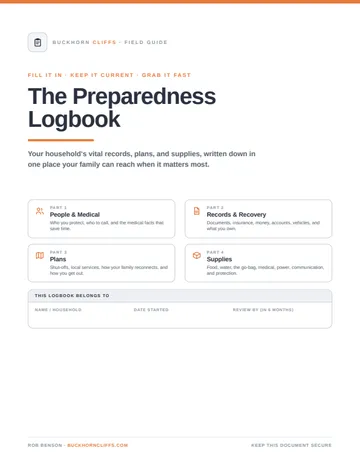
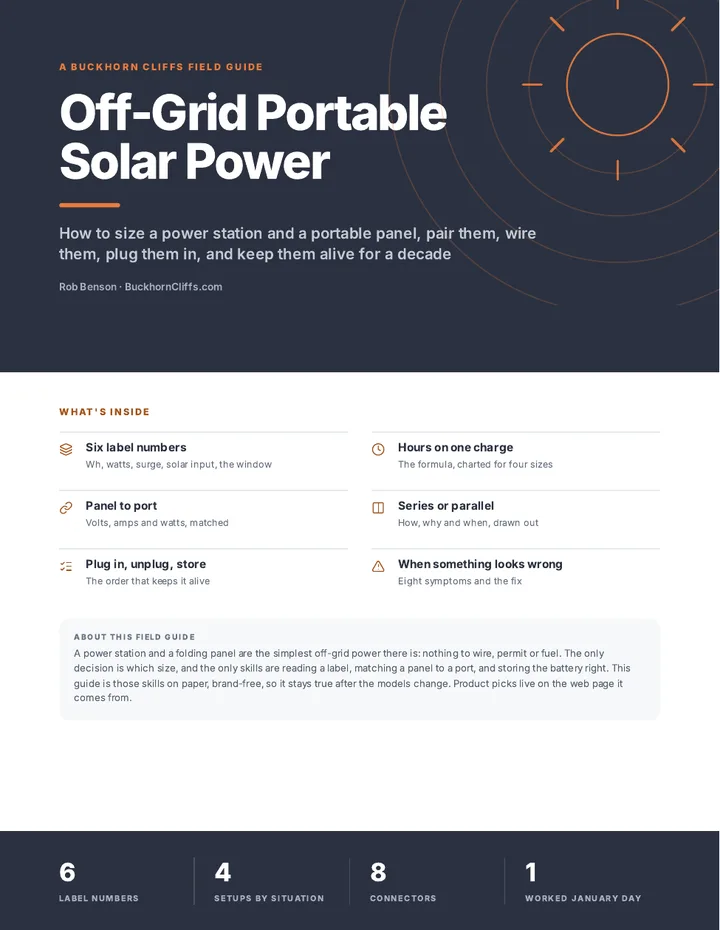
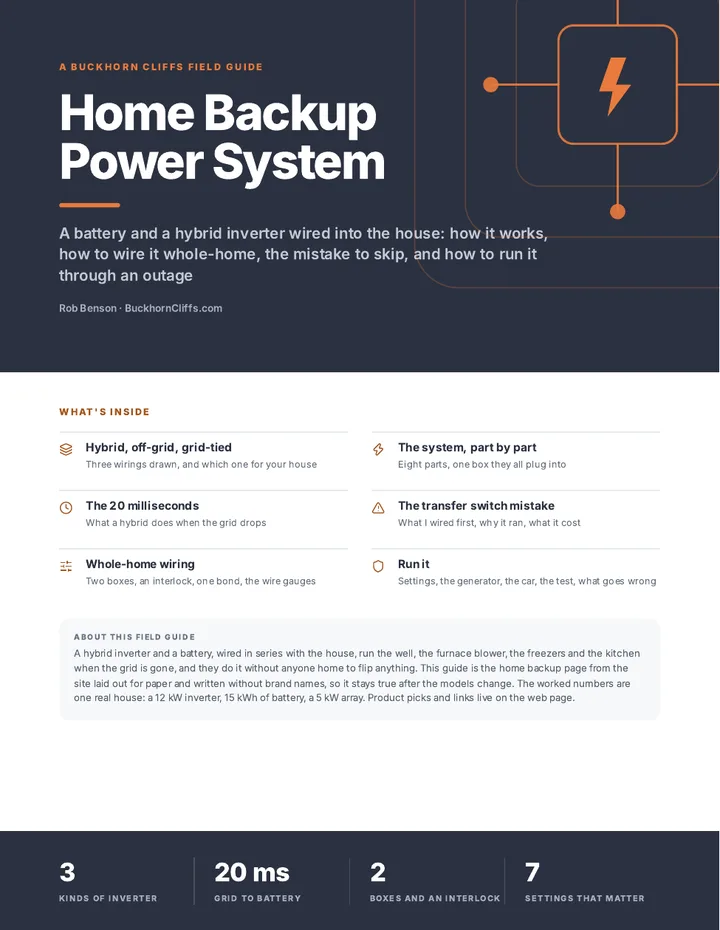
Every recipe and resource from the Prepper's Chemical Survival Guide, all ten field guides to read here and download, the full audit and logbook, all twelve reference charts, and no ads.
My Manual · included
Build your own field manual
The most useful thing a membership gives you. Save any page on this site, recipes, charts, and whole field guides included. Arrange them in the order you want, name it, and print one manual with a cover and contents, or keep it as a PDF that opens with no signal.
- It works when this site does not
- Only your pages
- Anyone in the house can use it
- One current copy, not a pile of printouts
- The house binder
- A copy for the bug-out bag or truck
- A copy for family
- An offline PDF
Stay Ready
New entries, updates, and useful instruction.
Stay one step ahead on your preparedness journey.