Quick facts
- Tapes
- Electrical
- duct
- self-fusing silicone
- hockey
- plumber's thread tape
- Fasteners
- Zip ties
- hose clamps
- quick links
- carabiners
- U-bolts
- S-hooks
- paracord
- grommet
- rivet kits
- Wire and water
- O ring set
- heat shrink
- solder seal connectors
- wire nuts
- Leak fixSelf-fusing silicone tape, stretched tight, over a hose or a pipe
- Not in here
- Nails
- screws
- bolts
- glue
- solvents
Most things that break do not need a part. They need something to hold, seal, splice or hang until the part arrives, and often that holds for years. This box is where I look first: no nails, screws, bolts, glue or solvents, those live in their own drawer, just the tapes, fasteners and small connectors that turn a broken thing into a working one. Everything in it costs a few dollars, most of it lasts a decade on the shelf, and all of it works with no power.
Three groups: tapes, fasteners, and the bits for wire and water. Each item below has its real job and the job it does when you are improvising. The spare parts field guide is the longer list of what to keep for the house; this box is the part of it you reach for first.
Tapes
Self-fusing silicone tape
The leak fixer · buy this one firstNo adhesive at all. Stretch it to twice its length, wrap it over itself, and in a few minutes it fuses into a solid rubber sleeve that holds pressure on a garden hose, a radiator hose, a pipe or a pressure washer line, insulates a wire to 600 volts, and works on wet, oily or dirty surfaces where every other tape fails. It seals a cracked tool handle, wraps a slippery grip, and comes off clean because it never stuck to anything but itself. Keep two rolls.
| Item | The job | Also does |
|---|---|---|
| Electrical tape | Insulating a wire splice or a nicked cord jacket; rated to 600 volts and cold enough not to crack. | Color coding wires, jars and keys; a quick wrap on a hose; a temporary label; holding a bandage. |
| Duct tape | Patching a tarp, tent, boot, bucket or window; holding a tail light in; sealing a box. | Twisted into cord; folded into a strap or splint wrap; over a hot spot to stop a blister; marking a trail; a few feet wrapped around a bottle so it is always along. |
| Hockey tape | A cloth tape that grips: re-wrapping a tool, axe or bat handle so it does not slip when wet. | A tighter blister tape than duct tape; a grip on a flashlight; tying a splint; a friction wrap on a paddle or a trekking pole. |
| Plumber's tape | PTFE thread seal on any threaded water, air or gas fitting; three turns clockwise on the male thread. | Stops a weeping shower arm, hose bib or propane fitting; a dry lubricant on a stuck thread; wound under a loose screw to tighten it. |
Fasteners
Zip ties, plastic and stainless
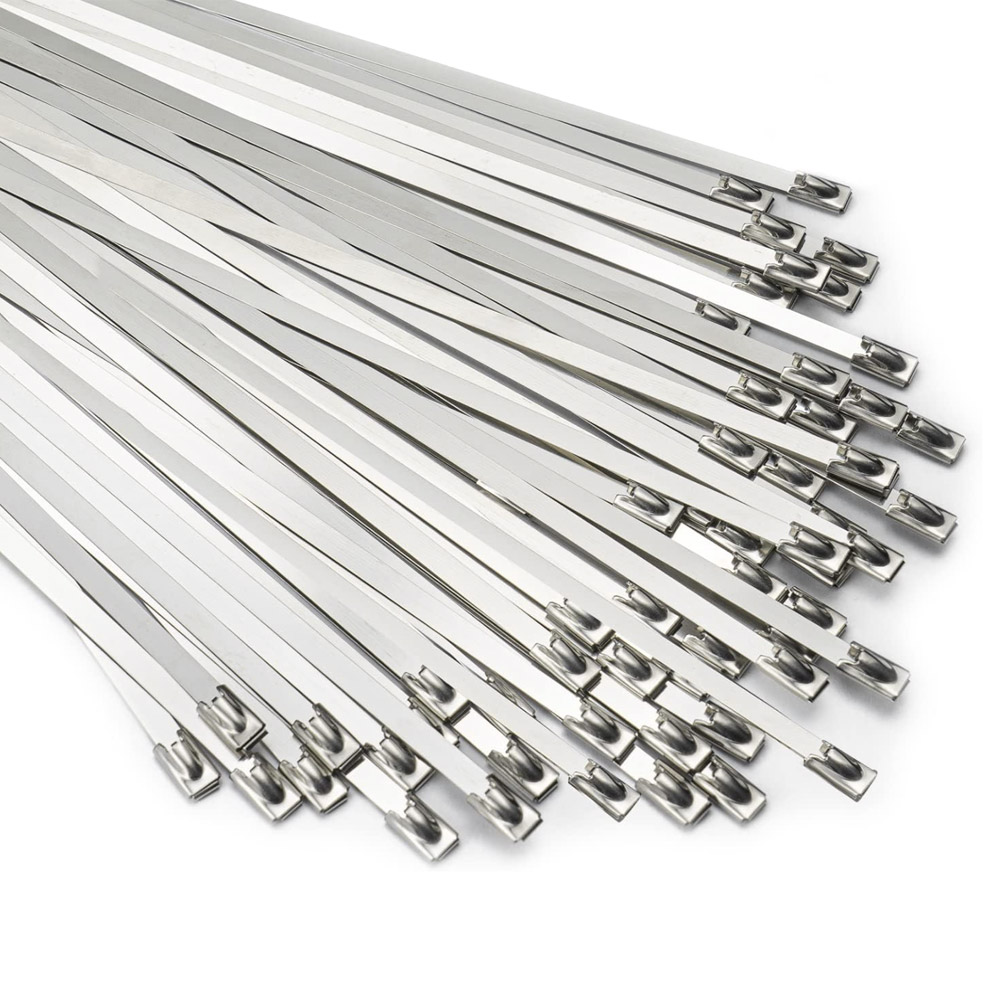
Bundling, splinting, replacing a broken partThe fastest permanent fastener there is. Plastic ties in 4, 8 and 14 inch hold cable, fence wire, a pack strap, a tent pole splint and a hundred other things; they go brittle in sun and cold, so use stainless ties for anything on the roof, the exhaust, the truck or the fence line. A zip tie through a broken zipper pull, around a split hose end, or as a temporary hinge pin is a repair that often becomes the fix. Cut the tail flush and turn the head so it does not cut skin.
| Item | The job | Also does |
|---|---|---|
| Hose clamps | Clamping a hose to a barb, half an inch to four inches; a worm drive clamp is a tool-free hose repair. | Splinting a broken pole or handle; joining two pipes over a sleeve; a strap around a tank; a tourniquet on a leaking pipe with a rubber patch under it. |
| Quick links | Joining chain to chain, a swing to a beam, a gate to a chain, with a threaded gate that closes with a wrench. | Replacing a broken chain link; hanging anything heavy from a hook; a rated connector where a carabiner is not. |
| Carabiners | Clipping gear to a pack, a bucket to a rope, a lantern to a ridgeline; rated ones for anything heavy. | A pulley point for cord; keeping keys together; hanging a water bag; a quick gate latch. |
| U-bolts | Clamping to pipe, post or conduit: mounting a bracket, an antenna, a mirror or a rail. | Rejoining a broken pipe rail; a mounting point on a trailer; a tie-down on a bumper. |
| S-hooks | Hanging tools, buckets, feed bags and lanterns from a chain, a beam or a fence. | A quick tarp tie-out; a chain shortener; hanging meat or a lantern in a shed; a hook on a bungee. |
| Paracord | 550 pound cord: tarp lines, clotheslines, a bear hang, a splint tie, a boot lace, lashing anything. | The inner strands are sewing thread, fishing line and snare wire; the knots guide is the other half of it. |
| Grommet kit | Putting a reinforced eyelet in a tarp, canvas, a banner or a belt where one tore out. | Repairing a tent, a truck cover or a boat cover; adding a hang point to a sack or a hide. |
| Rivet kit | Pop rivets join sheet metal, plastic and leather permanently with a hand tool. | A broken pack strap, a cracked toolbox, a loose gutter, a boat seat, a trailer fender. |
| Velcro strips | Adhesive hook and loop for cable, remotes, a flashlight on a wall, a first aid kit under a seat. | A removable patch on a pack; holding a phone in a truck; a quick door seal for a screen. |
| Rubber bands | Heavy bands for bundling and holding. | A jar opener; a stripped screw grip; holding a dressing; a fire starter when cut and lit; a tourniquet on a bleeding finger. |
| Safety pins | Holding fabric, a sling, a torn strap, a broken zipper. | A fish hook; a splinter probe; pinning a bandage; hanging a wet sock to dry. |
| Sewing kit | Heavy needles and waxed thread for packs, tarps, boots and canvas. | A ten minute repair to gear that would otherwise be replaced; the awl in the kit also punches leather. |
| Felt pads | Under furniture and appliances so floors and walls survive. | A shim; a silencer on a rattling door or lid; a pad inside a case for gear. |
Wire and water
Solder seal wire connectors
Splicing wire with a lighterA heat shrink sleeve with a ring of low temperature solder in the middle and glue at each end. Strip both wires, slide them in from each side so they overlap under the ring, and heat with a lighter or a heat gun until the solder flows and the ends shrink and seal. Waterproof, insulated, done in a minute, no iron. Trailer lights, a fence charger lead, a pump wire in the mud, a chewed cord on a tool; this is the fix for all of them.
| Item | The job | Also does |
|---|---|---|
| Heat shrink tubing | Insulating a twisted, crimped or soldered joint; slide it on before you join, shrink it with a lighter. | Color coding wires; a grip on a tool; sealing a rope end; stiffening a frayed cable end. |
| Wire nuts | Joining house wiring inside a box, sized to the wires; the standard, legal connector. | A temporary join on a lamp, an extension cord or a fence charger until it is done right. |
| O ring assortment | The seal in a faucet, a hose end, a pressure washer, a sprayer, a fuel cap, a flashlight and a filter housing. | A drip that stops with a fifty cent ring instead of a new part; a rubber washer in a pinch; a grip band on a tool. |
Match an O ring by laying the old one on the chart in the kit lid; too small stretches and fails, too big pinches and leaks. Keep a can of WD-40 and a tube of silicone grease beside this box; half the leaks and stuck fittings need one of those first.
The 17 hand tools
None of these need power, and none of them are the cheap version. Buy each once, buy it good, keep them in one place, and add to them as the house asks.
- 16 ounce hammer
- Screwdriver set
- Multi-bit screwdriver
- Screwdriver bit set
- Wrench set
- Plier set
- Wire cutters
- Tape measure
- Level
- Utility knife
- Allen wrench set
- Bolt cutters
- Japanese pull saw
- Hand saw
- Square
- File
- Putty knife
A set of common heavy equipment keys fits many older machines from the major brands, because a lot of equipment shares a key. It does not fit everything; newer machines use coded keys, keypads or immobilizers. Keep a set for your own equipment and for a neighbor who asks. Starting a machine you do not own without permission is theft in normal times, and this is not a workaround for that.
The box
- Electrical, duct, self-fusing silicone, hockey, plumber's tape
- Zip ties in three sizes, stainless zip ties
- Hose clamps, 1/2 to 4 inch
- Quick links, carabiners, U-bolts, S-hooks
- 100 feet of paracord
- Grommet kit, rivet kit
- Velcro strips, rubber bands, safety pins, sewing kit, felt pads
- O ring assortment, heat shrink, solder seal connectors, wire nuts
- A lighter, for the heat shrink and the solder seals
One clear latching box, so you can see what is running low. The rope that goes with the cord is on synthetic rope, the medical side of splints and dressings is on medical preparedness, and the vehicle version of this box is in the car kit.
Questions this answers
Tap a question for the short answer.
What should I keep in a home repair kit for emergencies?
Three groups in one box. Tapes: electrical, duct, self-fusing silicone, hockey and plumber's thread tape. Fasteners: plastic and stainless zip ties, hose clamps, quick links, carabiners, U-bolts, S-hooks, paracord, and grommet and rivet kits. Wire and water: an O ring assortment, heat shrink tubing, solder seal connectors and wire nuts. Add safety pins, a sewing kit, Velcro and rubber bands. Nails, screws, bolts and glue live in their own drawer.
What is self-fusing silicone tape used for?
Stopping leaks and insulating anything wet. It has no adhesive; stretched to twice its length and wrapped over itself, it bonds to itself into a solid rubber sleeve within minutes, and it holds pressure on a garden hose, a radiator hose, a pipe, a pressure washer line. It seals a tool handle, insulates a wire to 600 volts, and is the one tape that works on a wet, dirty or oily surface. It does not stick to anything but itself, so it peels off clean later.
What are alternative uses for duct tape?
Twisted, it is cord that holds a few dozen pounds. Folded sticky sides together, it is a strap or a splint wrap. Stuck over a hot spot, it stops a blister forming. It patches a tarp, a tent, a boot, a bucket and a window, holds a broken tail light in, marks a trail, seals a food bag, and a strip on the inside of a hat brim keeps sweat out of your eyes. Wrap a few feet around a water bottle or a lighter so it is always with you.
What tape should I use to stop a leaking hose or pipe?
Self-fusing silicone tape. Dry the area if you can (it will work wet), stretch the tape hard, wrap it over itself past the leak in both directions with each turn covering half the last, and keep it stretched as you go. It holds household water pressure and a lot more. Duct tape will not hold pressure and electrical tape will not either. For a threaded joint that weeps, take it apart and wrap the male thread with plumber's tape, three turns clockwise.
What fasteners should I stock for quick repairs?
Zip ties in three sizes, plus stainless ones for heat and sun; hose clamps from half an inch to four inches; quick links and carabiners for anything that hangs or clips; U-bolts and S-hooks for mounting to pipe and hanging from beams; a hundred feet of paracord; and a grommet kit and a rivet kit so a torn tarp or a broken strap becomes a repaired one instead of a replaced one.
How do I splice a wire without a soldering iron?
Solder seal connectors. Strip both ends, slide them into the connector from each side so they overlap under the solder ring, and heat it with a lighter or a heat gun until the solder flows and the ends shrink down. Waterproof, insulated and done in a minute; they fix a trailer light, a fence charger lead or a pump wire in the field. Wire nuts do the same job on house wiring in a box, and heat shrink over a twisted or crimped joint is the fallback.
What hand tools do I need for home repairs?
Seventeen, none of which need power: a 16 ounce hammer, a screwdriver set, a multi-bit driver and a bit set, a wrench set, a plier set, wire cutters, a tape measure, a level, a utility knife, an Allen set, bolt cutters, a Japanese pull saw, a hand saw, a square, a file and a putty knife. Buy each one once, buy it good, and keep them in one place.
Keep going
Related to this
Membership · $49.95 per year
There is a lot more behind the lock
Every recipe and resource from the Prepper's Chemical Survival Guide, all six field guides to read here and download, the full audit and logbook, all twelve reference charts, and no ads.
My Manual · included
Build your own field manual
The most useful thing a membership gives you. Save any page on this site, recipes, charts, and whole field guides included. Arrange them in the order you want, name it, and print one manual with a cover and contents, or keep it as a PDF that opens with no signal.
- It works when this site does not
- Only your pages
- Anyone in the house can use it
- One current copy, not a pile of printouts
- The house binder
- A copy for the bug-out bag or truck
- A copy for family
- An offline PDF






Stay Ready
New entries, updates, and useful instruction.
Stay one step ahead on your preparedness journey.