2 WEEKSFREEZE ITBAKE ITWorks without power
Quick facts
- Real shelf lifeCommercial bread 14 to 18 days pantry; 3 to 5 months frozen
- Homemade bread2 to 4 days; freeze the rest
- Pantry versionsCrackers 8 months; hardtack years; flour and a way to bake
- Watch for
- Mold spots
- a sour smell
- hard
- dry
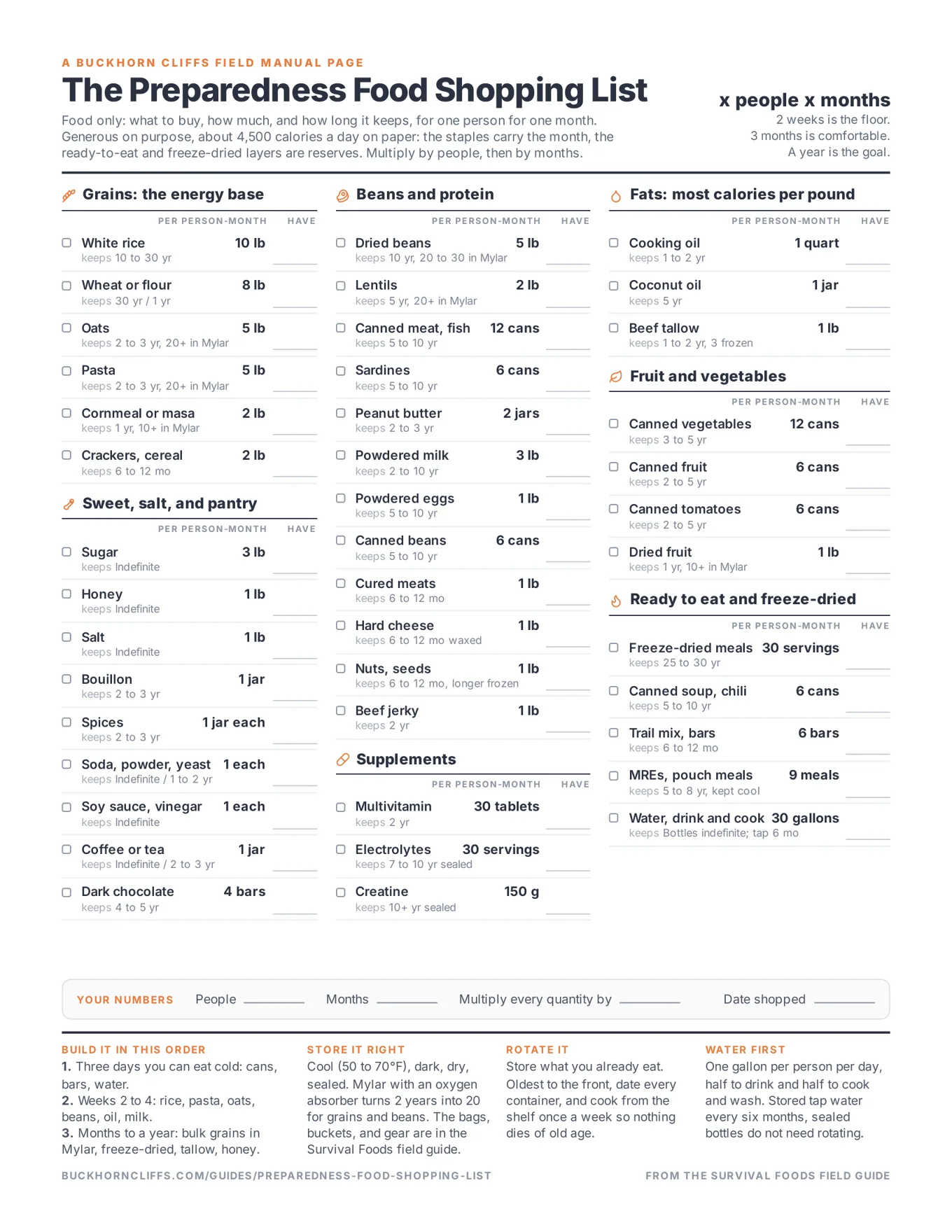
Where this sits on the food shopping list
Bread is a daily food, not a stored one. Store bread with its preservatives keeps about two weeks on the counter and months in the freezer; homemade bread is a two-day loaf. The pantry versions are crackers, hardtack, tortillas and, above all, flour and a way to bake, which is why the grains and flours page matters more than this one.
Which to buy
For keeping: crackers and pilot bread in sealed packs, flour tortillas (days on the counter, weeks in the fridge, months frozen), and a bread with preservatives if you want a loaf in the freezer. For eating: whatever you like, and freeze what you will not finish in two days. Hardtack, flour and water baked dry, keeps for years and is what sailors lived on; it's the bread of the deep pantry and the recipe is three ingredients.
How long it really lasts
By how it is kept
| Form | Label says | Real, stored well |
|---|---|---|
| Commercial sliced bread, counter | Date on the bag | 14 to 18 days; 3 to 5 months frozen |
| Homemade or bakery bread, counter | 2 to 4 days; 3 months frozen | |
| Any bread, refrigerated | 2 to 3 weeks, but stale faster than the counter | |
| Flour tortillas | Date on the bag | Days on the counter, weeks refrigerated, months frozen |
| Crackers, unopened | 8 months | Longer sealed; 1 month opened at full crispness |
| Hardtack, baked dry and kept dry | Years |
Free download
Get the one-page food shopping list
What to store, how much of it for one person for one month, and how long it keeps. One page with checkboxes, built from the Survival Foods field guide. Print it, multiply by your people and months, and take it to the store.
The PDF comes by email, with my newsletter now and then. Already on the list? You still get it. Read the full page.
How to store it
Bread keeps best at room temperature in its bag, or in a bread box, in a dry kitchen. The fridge slows mold but speeds staling, so it's a trade worth making only in humid weather. The freezer stops both: freeze a loaf sliced, in the bag, and pull slices as needed; they toast from frozen. Crackers stay in the sealed sleeve until opened, then in a jar with a desiccant. Hardtack in an airtight tin, bone dry.
How to tell it has turned
Mold on bread is a whole-loaf problem: the threads run through the crumb far past the green or white spot, so the loaf goes, not the slice. A sour or musty smell without visible mold means the same. Hard and dry is stale, not spoiled; it is croutons, bread crumbs, French toast or bread pudding. Crackers that have gone soft are stale and crisp up again in a low oven.
Stale bread, soft crackers, and a frozen loaf with ice crystals in the bag.
Any mold spot, a sour or musty smell, or bread that has been damp.
How much, and how to use it
Bread is calories and comfort, about 80 calories a slice, and the thing most people miss first when it's gone. Stale bread is never wasted: toast it, crumb it, or cube it into soup. For the long term, learn one bread you can bake without electricity: a skillet flatbread or tortillas from flour, water, salt and fat take ten minutes on a camp stove, and hardtack (4 cups flour, up to 1 1/2 cups water, and a little salt, baked an hour at 375°F) keeps for years.
When the power goes out
Bread needs nothing from the power grid. A loaf in a dead freezer thaws in a few hours and is fine once thawed; eat it over the next couple of days. The oven is what you lose, which is the argument for a skillet flatbread and a camp stove.
Shelf-life figures are from the Survival Foods field guide; fridge, freezer and pantry times are from the USDA cold and pantry storage charts. Run the look, smell, taste check before eating anything past its date.
Questions this answers
Tap a question for the short answer.
How do I tell if bread & baked goods has gone bad?
Look for green or white mold spots, which show up especially in humid conditions, and feel the bread for hardness, which signals staleness. Mold and staleness are the two warning signs to check for.
How long does bread last?
Commercial bread 14 to 18 days on the counter and 3 to 5 months frozen; homemade bread 2 to 4 days. The fridge keeps mold off but makes bread stale faster. Crackers keep 8 months sealed and hardtack for years.
How do I store bread long term?
Freeze it sliced in the bag and pull slices as needed. For the pantry, keep crackers and hardtack, and keep flour with a skillet bread you can make on a camp stove.
How do I tell if bread has gone bad?
Mold spots of any color or a sour, musty smell. The whole loaf goes, not just the slice, because the threads run through the crumb. Hard and dry is stale, not spoiled.
Keep going
Related to this
Membership · $49.95 per year
Everything on this site, open, and your own manual that works with no internet
When the grid goes down, this site goes with it. Membership opens every member page and every recipe from the book, hands over all fourteen field guides as PDFs, and gives you your own manual built from the pages your household uses: searchable on your phone with no internet, and printable as one binder.
- 158member pagesopen in full, every amount and every step
- 138compound recipesfrom the hardcover book, exact amounts. Pick any and add them to your manual
- 14field guides313 pages of PDFs, $140 bought one at a time
- 9military field guidesUS Army manuals cut to 66 pages and laid out to use
- Offlineyour own manualbuilt from any page here, searchable on your phone with no internet
- Build your own manual on this site. pick any page, recipe, chart or whole field guide and put them in your order
- Download it and use it with no internet. it opens like an app on your phone or computer, searchable, with no power grid and no signal
- Print it or save it as one PDF. your cover, a contents page and every page you picked, laid out for paper
- All 138 recipes from my hardcover book. exact amounts for pool shock water purification, Lugol's iodine antiseptic, water glassing eggs, laundry powder and the rest
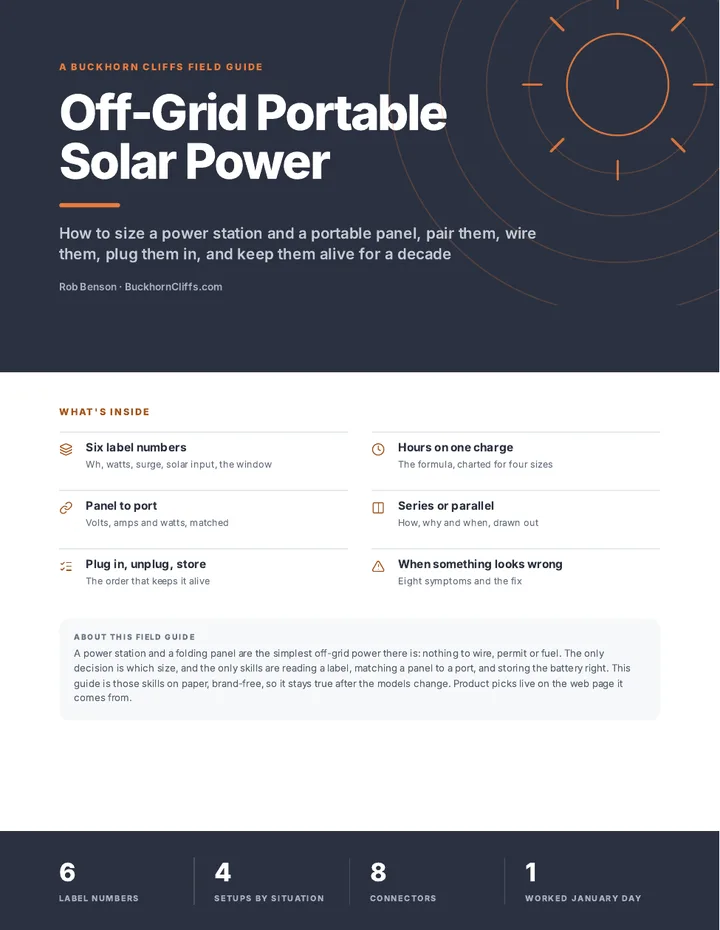
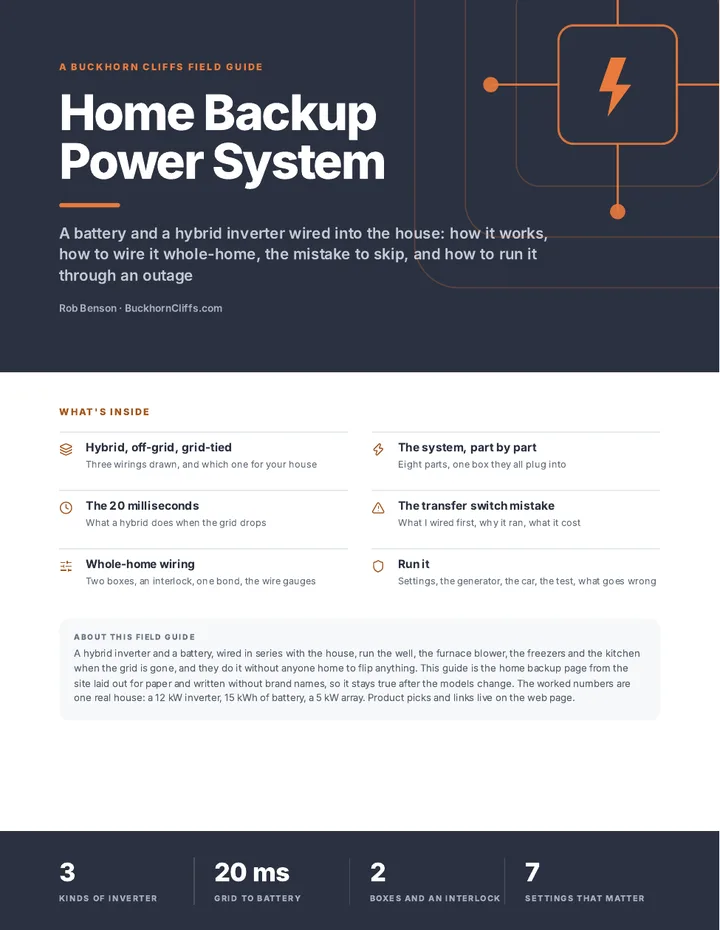
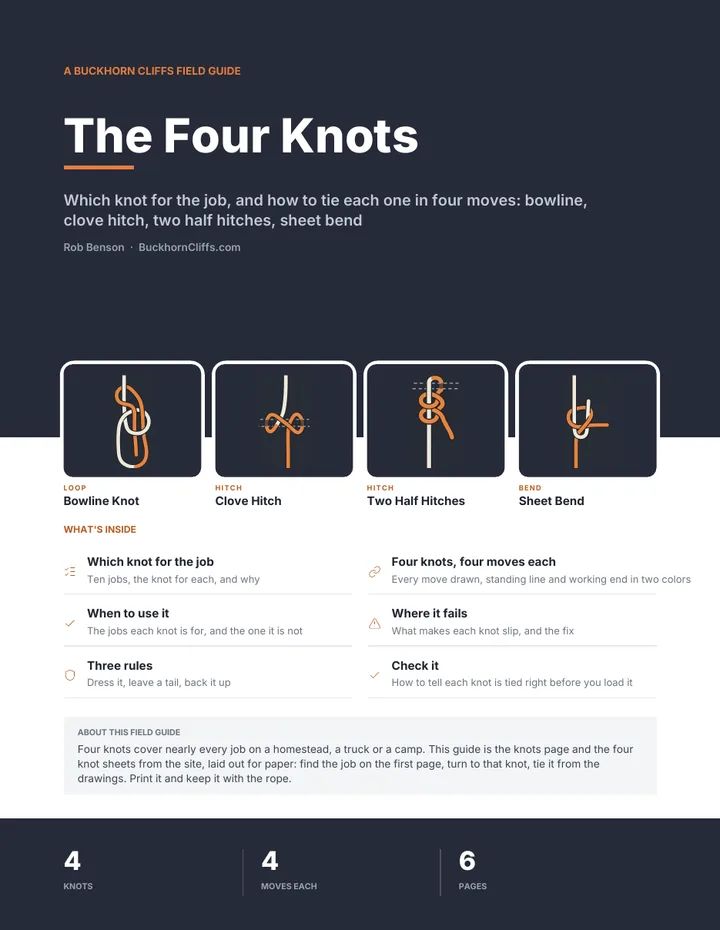
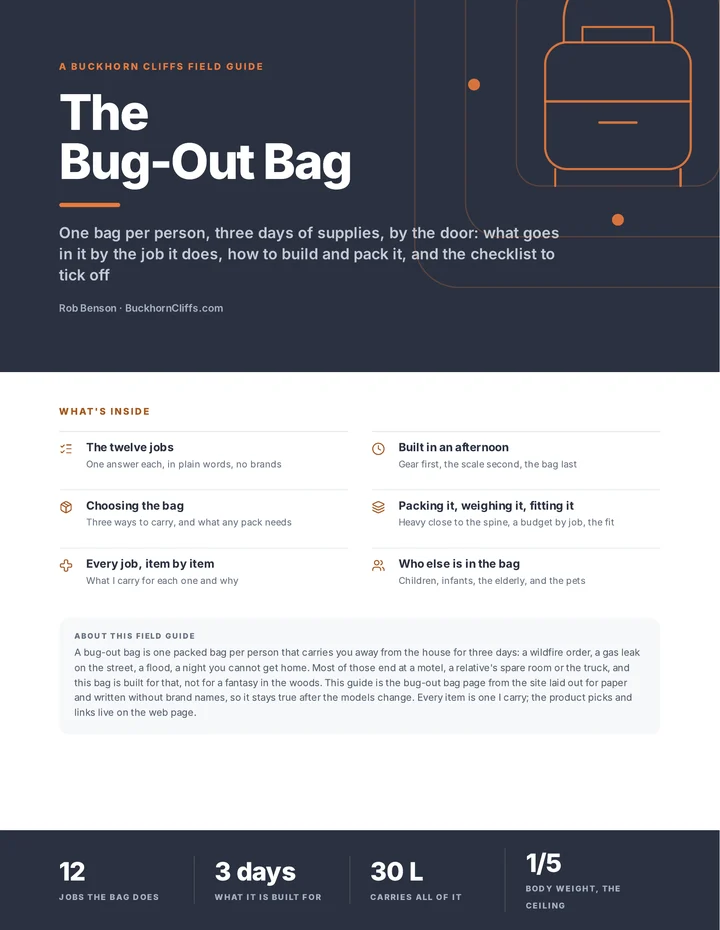
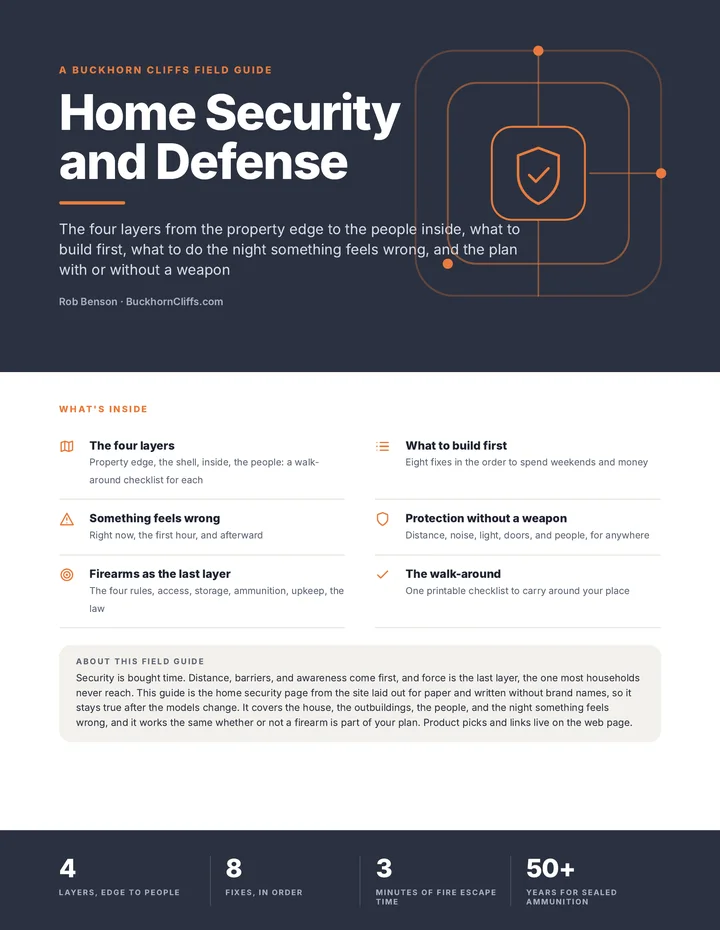
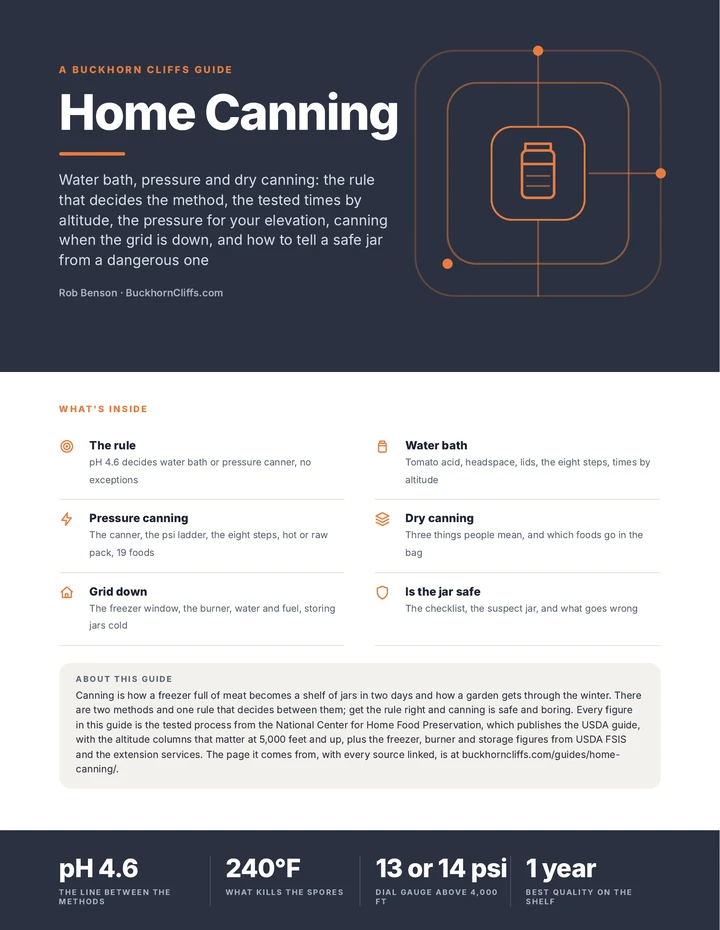
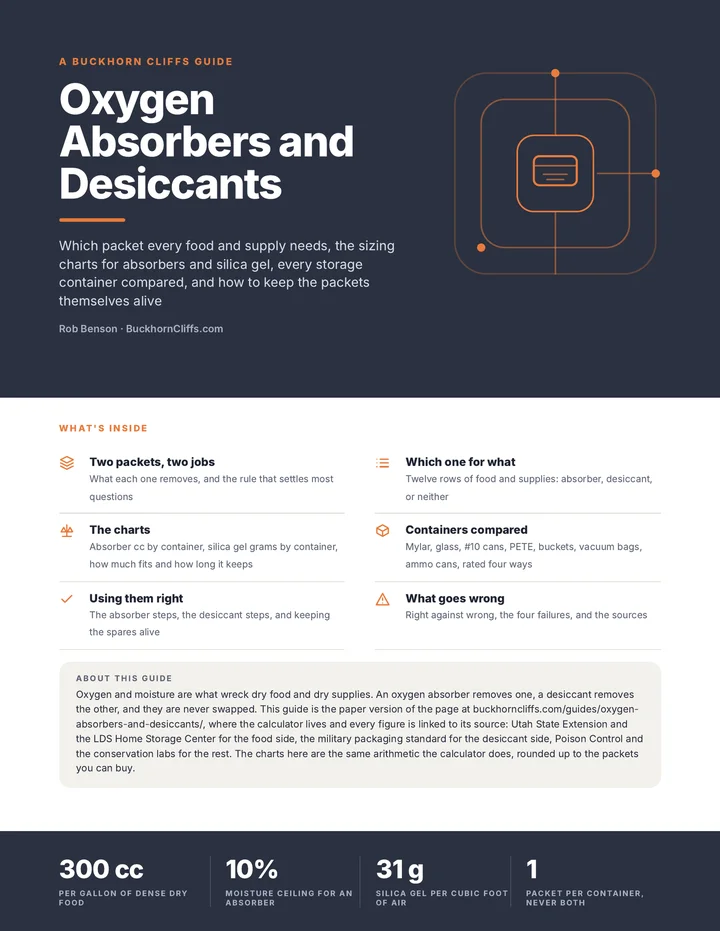
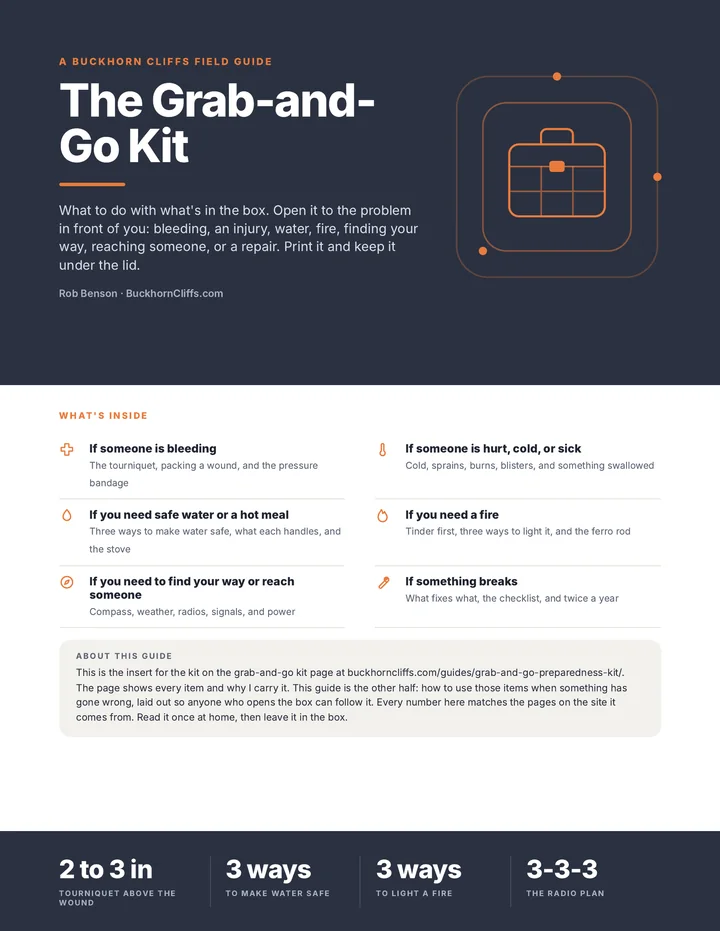
- All 14 field guides, 313 pages. Stockpile Essentials, Survival Foods, Bug-Out Bag, Home Canning, Solar Power and more, to read here or download
- 9 military field guides. Survival, First Aid, Mountaineering and the other US Army manuals, each cut to its most useful pages
- 158 how-to pages in full. medical, hygiene, tools and repair, garden and livestock, food, water and more
- The audit, the logbook and the checklists. all 200 audit checkpoints, saved to your account on every device
- One payment, $49.95 per year. Cancel any time and keep access to the end of the year you paid for.
- Sign in by email. No password, and the sign-in renews itself on every visit.
- Most of the site stays free. Membership is for the depth, the PDFs and your own offline manual.
Stay Ready
New entries, updates, and useful instruction.
Stay one step ahead on your preparedness journey.