2-3 YRMYLAR READYHOT BREAKFASTWorks without power
Quick facts
- Real shelf life2 to 3 years airtight; far longer sealed with an absorber
- Label date says1 to 2 years
- Best storageAirtight, cool, dark; Mylar and a bucket for the deep store
- Watch for
- A rancid or bitter smell
- moisture
- pests
Where this sits on the food shopping list
Oats are the breakfast of a food store: cheap, filling, a pound is about 1,700 calories, and they cook in five minutes or soak overnight with no heat at all. They keep less long than rice because the oat kernel holds oil that slowly goes rancid; the fix is the same as for everything with oil in it, which is to keep the oxygen away. Two to three years in a sealed container, many years in Mylar with an absorber.
Which to buy
Old-fashioned rolled oats are the all-round choice: they cook fast, soak raw, bake, and keep as long as any oat. Quick oats are rolled thinner and cook in a minute. Steel-cut oats are the whole groat chopped, chewier, longer to cook, and keep about the same. Instant oatmeal packets are convenient, sugared, and keep a year; they are for the bag, not the bucket. Buy rolled oats in the 25 or 50 pound bag from a bulk supplier and repack them. Oat groats, the whole kernel, keep longest of all.
How long it really lasts
By how it is kept
| Form | Label says | Real, stored well |
|---|---|---|
| Rolled, quick or steel-cut oats, airtight | 1 to 2 years | 2 to 3 years at full quality |
| Rolled oats, Mylar with oxygen absorber | Many years; on the Mylar yes list | |
| Oat groats, whole, sealed | Longer than rolled; the kernel is intact | |
| Instant oatmeal packets | 12 months | About a year; the sugar and flavorings go first |
| Cooked oatmeal, refrigerated | 4 to 6 days |
Free download
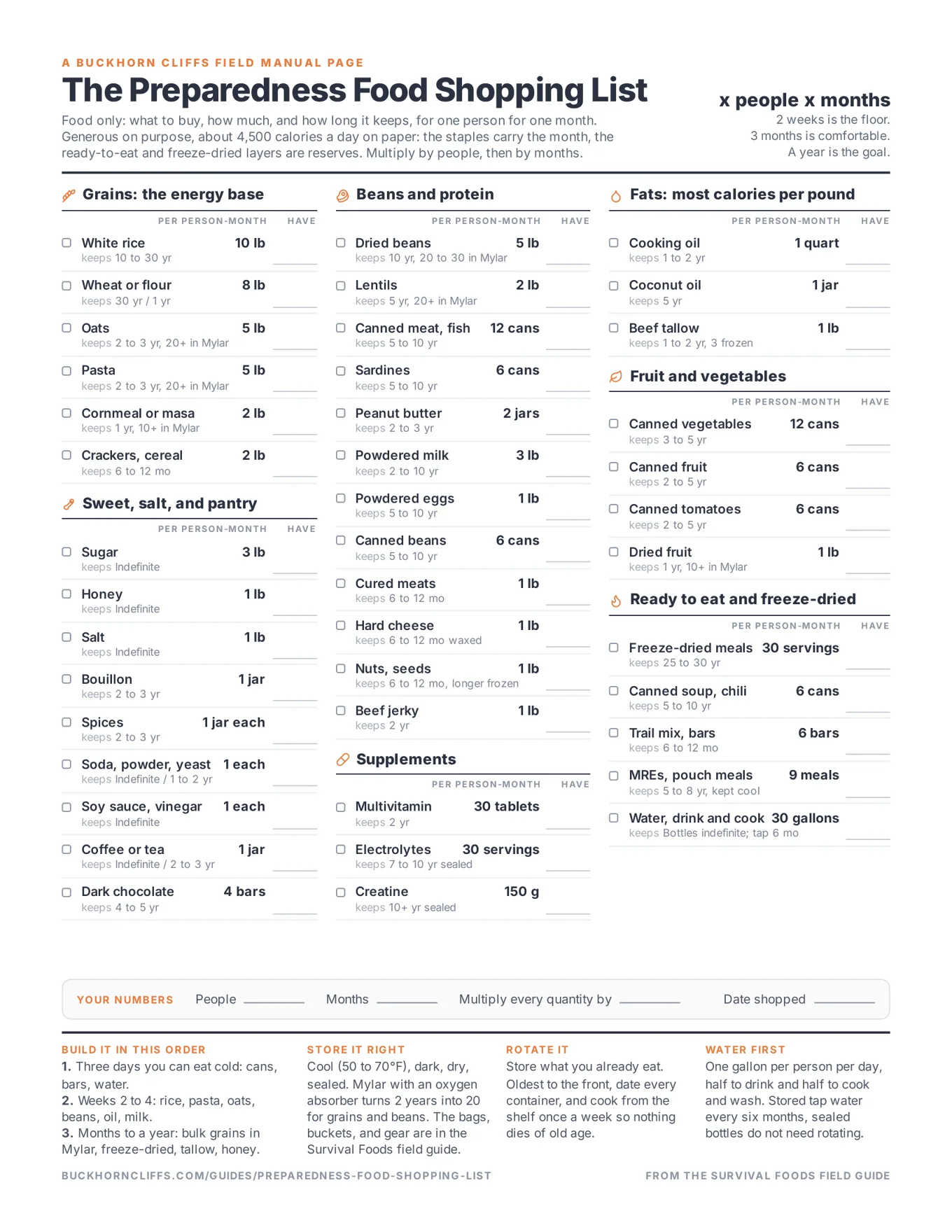
Get the one-page food shopping list
What to store, how much of it for one person for one month, and how long it keeps. One page with checkboxes, built from the Survival Foods field guide. Print it, multiply by your people and months, and take it to the store.
The PDF comes by email, with my newsletter now and then. Already on the list? You still get it. Read the full page.
How to store it
Cool, dark and dry, in something airtight. The original bag or box is fine for the months you will use it in; for the years, the answer is the same as for rice: a Mylar bag with an oxygen absorber inside a food-grade bucket, which keeps out oxygen, moisture, light and every insect egg that came home from the mill. The Mylar ranking says which foods take an absorber and which do not.
A 5 gallon bucket holds about 20 pounds of rolled oats. Oats are dry enough for an absorber; granola and anything with added fat or fruit is not.
How to tell it has turned
Smell them: fresh oats smell faintly sweet and of nothing much; rancid oats smell bitter, sharp or like old paint, and taste the same. Rancid oats will not make you sick in a bowl but they are done. Moisture shows as clumping and a musty smell, and mold follows. Pests show as webbing, moths or small beetles. Pale, dusty oats at the bottom of an old bag are just the fines.
Old oats that smell sweet and clean, fines at the bottom of the bag, oats that have gone pale.
A bitter, sharp or paint-like smell, clumping with a musty smell, mold, webbing or insects.
How much, and how to use it
Half a cup of dry oats is a serving of about 150 calories; a pound per person per week is a sensible planning number for breakfast alone. Overnight oats need no fuel: equal parts oats and water or milk in a jar, left to stand, eaten cold or warmed. Oats thicken soup and stretch ground meat. Oat flour, from a blender or a grain mill, bakes. Oatmeal with a honey packet and a spoon of peanut butter is a 400 calorie breakfast from three shelf items; the oatmeal packet recipe is how I pack it ahead.
When the power goes out
Oats are the no-power breakfast. Soaked overnight they need no heat at all; on a camp stove they take three minutes. Keep the opened canister closed between meals in a warm house, because the clock runs faster above 70°F.
Shelf-life figures are from the Survival Foods field guide; fridge, freezer and pantry times are from the USDA cold and pantry storage charts. Run the look, smell, taste check before eating anything past its date.
Questions this answers
Tap a question for the short answer.
How long does oats last?
Oats have a real shelf life of 2 to 3 years when stored well in an airtight container, compared with the 1 to 2 years the label date suggests.
How do I store oats long term?
Airtight, cool and dark for the months you will use them; rolled oats or whole groats in Mylar with an oxygen absorber inside a bucket for the years. About 20 pounds fills a 5 gallon bucket.
How do I tell if oats has gone bad?
Look for discoloration, clumping, or small bugs like weevils, and smell for a rancid, musty, or unusual odor. Mold, moisture, off-odors, and pests are the warning signs that oats have gone bad.
How long do oats last?
Two to three years at full quality in an airtight container, against a label of 1 to 2, and many years sealed in Mylar with an oxygen absorber. Instant packets keep about a year.
How do I tell if oats have gone bad?
A bitter, sharp or paint-like smell is rancid oil. Clumping with a musty smell is moisture and mold is next. Webbing or insects mean pests. Oats that smell sweet and clean are fine however old.
Can you eat oats without cooking them?
Yes. Rolled oats soaked overnight in water or milk are overnight oats and need no fuel; quick oats soften in minutes in cold water.
Keep going
Related to this
Membership · $49.95 per year
There is a lot more behind the lock
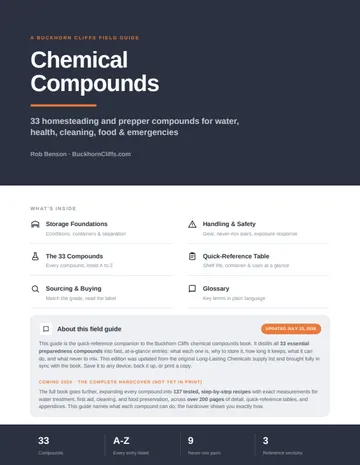
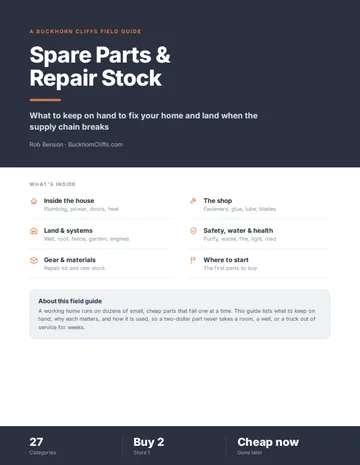
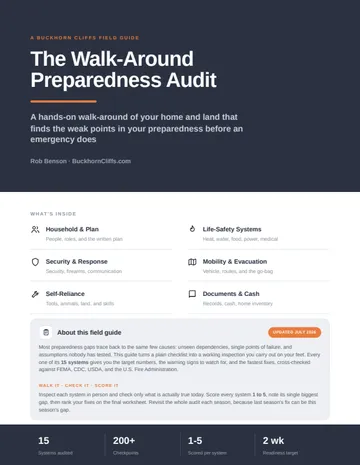
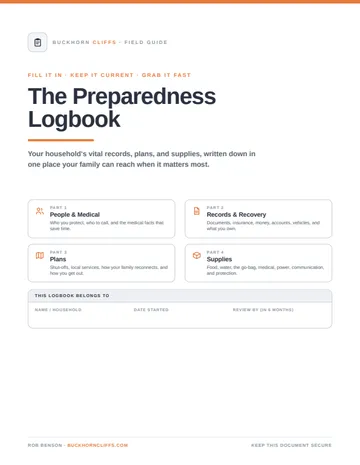
Every recipe and resource from the Prepper's Chemical Survival Guide, all eleven field guides to read here and download, the full audit and logbook, all twelve reference charts, and no ads.
My Manual · included
Build your own field manual
The most useful thing a membership gives you. Save any page on this site, recipes, charts, and whole field guides included. Arrange them in the order you want, name it, and print one manual with a cover and contents, or keep it as a PDF that opens with no signal.
- It works when this site does not
- Only your pages
- Anyone in the house can use it
- One current copy, not a pile of printouts
- The house binder
- A copy for the bug-out bag or truck
- A copy for family
- An offline PDF


Stay Ready
New entries, updates, and useful instruction.
Stay one step ahead on your preparedness journey.