LID RULEGLASS KEEPSHIGH ACIDWorks without power
Quick facts
- Sealed, pantryPickles, olives, salsa 12 to 18 months; jams 6 to 18; longer stored cool and dark
- Opened, refrigeratedPickles and jams months; salsa and sauces weeks; olives 2 weeks
- Best storageCool, dark cupboard; light fades jars
- Watch for
- A popped or bulged lid
- mold
- fizzing
- off smell
Where this sits on the food shopping list
A jar is a can you can see into, and most of what comes in jars is high-acid food: pickles, jams, salsa, olives, tomato sauce, relish. That acid is what makes them safe to can at home in a water bath and what keeps them for years sealed, and it's also what shortens their clock compared to a low-acid can. The jar tells you everything through the lid, which is why this page starts there.
Which to buy
Jars of the things that make stored food worth eating: pickles, olives, salsa, jam, relish, peppers, sauerkraut, pasta sauce, nut butters, and the sauces you reach for. Store brands keep the same as the names. Check that every lid is concave (sucked down) and does not click when pressed; a lid that gives or is domed has lost its seal on the shelf. Smaller jars over large unless you will finish a large one within its opened life.
How long it really lasts
By how it is kept
| Form | Label says | Real, stored well |
|---|---|---|
| Pickles, relish, peppers, sealed | 12 months | Longer cool and dark; 1 to 3 months refrigerated once opened |
| Jams and jellies, sealed | 6 to 18 months | Longer cool and dark; 6 to 12 months refrigerated once opened |
| Olives, sealed | 12 to 18 months | 2 weeks refrigerated once opened, kept under the brine |
| Salsa, pasta sauce, sealed | 18 months | Longer cool and dark; about a week refrigerated once opened, 4 days for pasta sauce |
| Sauerkraut, sealed | 12 months | Months refrigerated once opened, under the brine |
| Home-canned high-acid jars, good seal | A year at best quality; safe longer if the seal holds |
Free download
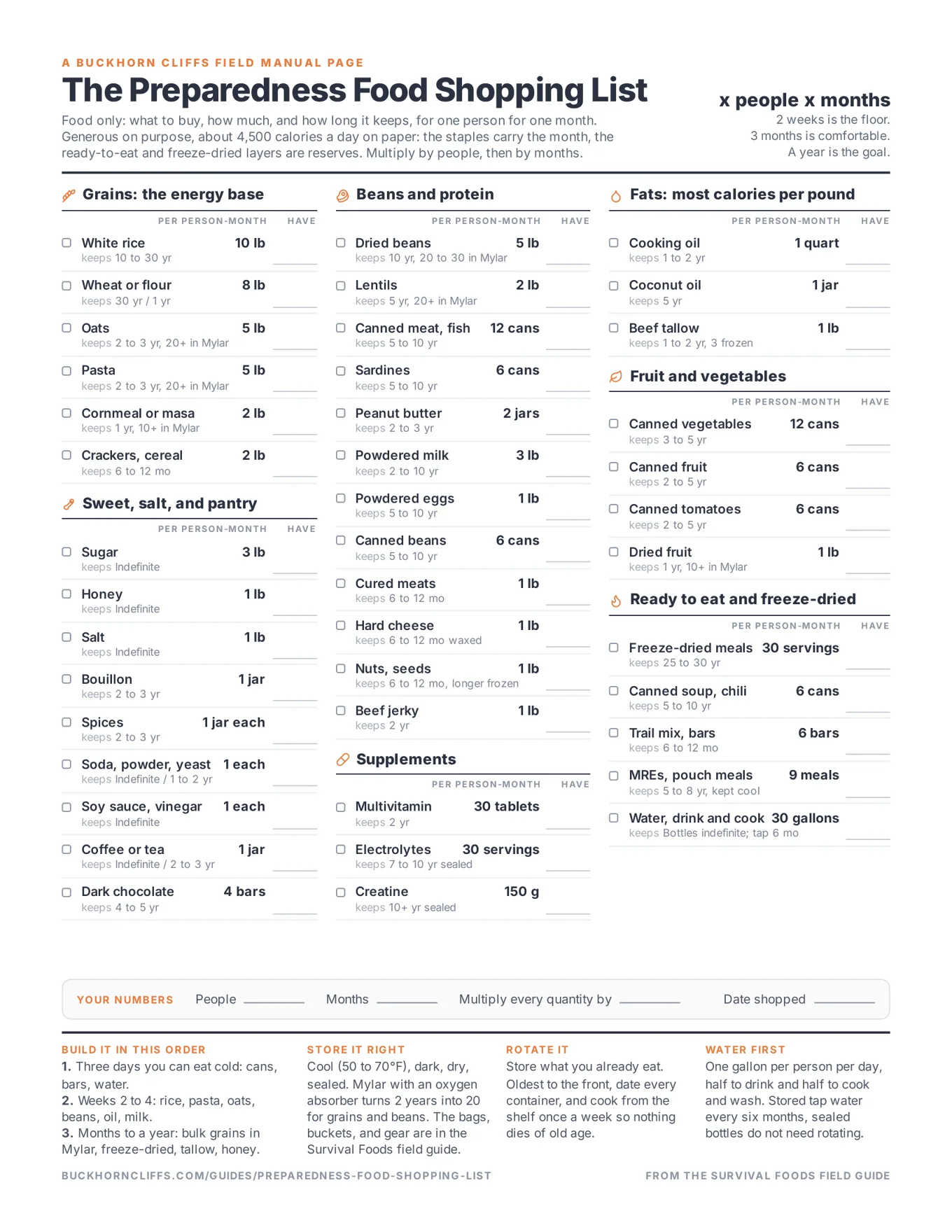
Get the one-page food shopping list
What to store, how much of it for one person for one month, and how long it keeps. One page with checkboxes, built from the Survival Foods field guide. Print it, multiply by your people and months, and take it to the store.
The PDF comes by email, with my newsletter now and then. Already on the list? You still get it. Read the full page.
How to store it
A cool, dark cupboard: light fades the color and flavor in glass within months, which is why jars live behind a door and cans can live on an open shelf. Off the floor, away from heat, and not where they can freeze. Once opened, into the fridge with the lid tight and the contents under the liquid; olives, pickles and kraut keep as long as the brine covers them. Home-canned jars are stored with the rings off, so a failed seal shows itself instead of being held shut.
How to tell it has turned
The lid first: a sealed lid is concave and silent when pressed; a lid that is domed, clicks, or has popped up has lost its vacuum and the jar goes, because gas from bacteria is what lifts it. On opening, a hiss inward is normal; a spurt, foam or fizzing is not. Then look and smell: mold at the rim or on the surface, cloudy brine that was clear, a color change, or a sour or yeasty smell. Mold on jam is not scooped off; the jar goes.
Sediment in pickle brine, a darker jam, crystallized honey or jam, and a jar past its date with a concave lid and a clean smell.
A domed, clicking or popped lid, a spurt or fizz on opening, mold anywhere, cloudy brine that was clear, or a sour, yeasty smell.
How much, and how to use it
Jars are the flavor budget of a food store: a spoon of salsa on rice, a pickle beside the beans, jam on the skillet bread, olives in the pasta. A quart of pickles is also a quart of salty, acidic brine, which is a marinade and the start of the next batch of refrigerator pickles. Rotate jars through everyday cooking and replace them as they go. Home canning puts the garden into the same jars; the fermentation brine is the no-canner route for cabbage and cucumbers.
When the power goes out
Sealed jars do not care. Opened jars of pickles, olives, kraut and jam keep for a while in a cool room under their brine or sugar; opened salsa and sauces follow the fridge rules and get finished at the next meal.
Shelf-life figures are from the Survival Foods field guide; fridge, freezer and pantry times are from the USDA cold and pantry storage charts. Run the look, smell, taste check before eating anything past its date.
Questions this answers
Tap a question for the short answer.
How do I tell if jarred items has gone bad?
Warning signs are mold, off-odors, a change in color or texture, or a lid that pops up, which means gas from bacteria. Look for mold or discoloration, smell it on opening, and note whether the lid bulged or popped.
How long do jarred foods last?
Sealed, pickles and olives 12 to 18 months, jams 6 to 18 months and salsa and sauces about 18 months at full quality, longer stored cool and dark. Opened and refrigerated, pickles 1 to 3 months, jam 6 to 12 months, olives 2 weeks, salsa about a week and pasta sauce 4 days.
How do I store jarred items long term?
In a cool, dark cupboard away from light and heat, lids concave, rotated oldest first; home-canned jars with the rings off so a failed seal shows.
How do I tell if jarred items have gone bad?
A domed, clicking or popped lid, a spurt or fizz on opening, mold at the rim or on the surface, cloudy brine, or a sour or yeasty smell. Mold on jam means the whole jar goes.
Keep going
Related to this
Membership · $49.95 per year
There is a lot more behind the lock
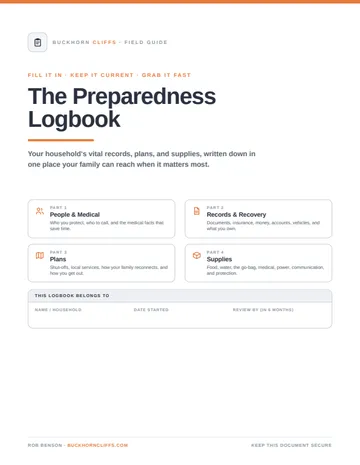
Every recipe and resource from the Prepper's Chemical Survival Guide, all eleven field guides to read here and download, the full audit and logbook, all twelve reference charts, and no ads.
My Manual · included
Build your own field manual
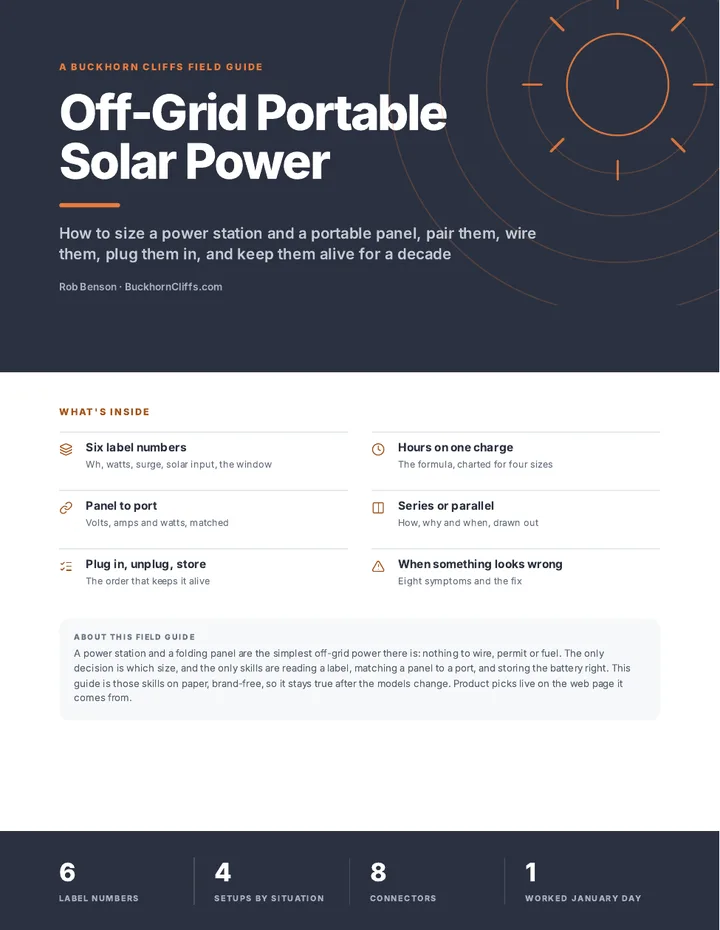
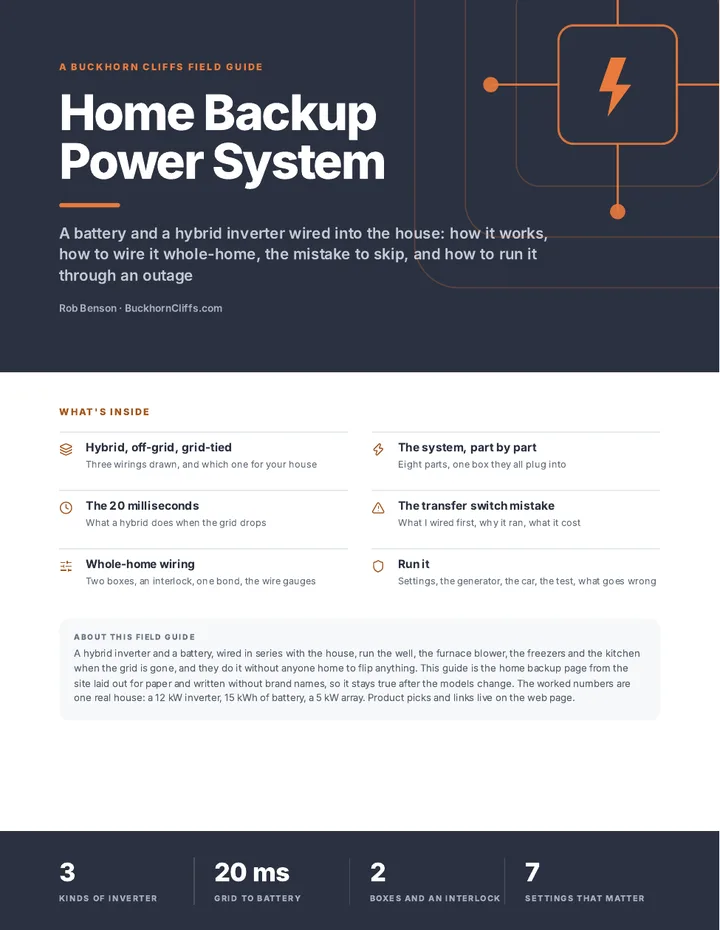
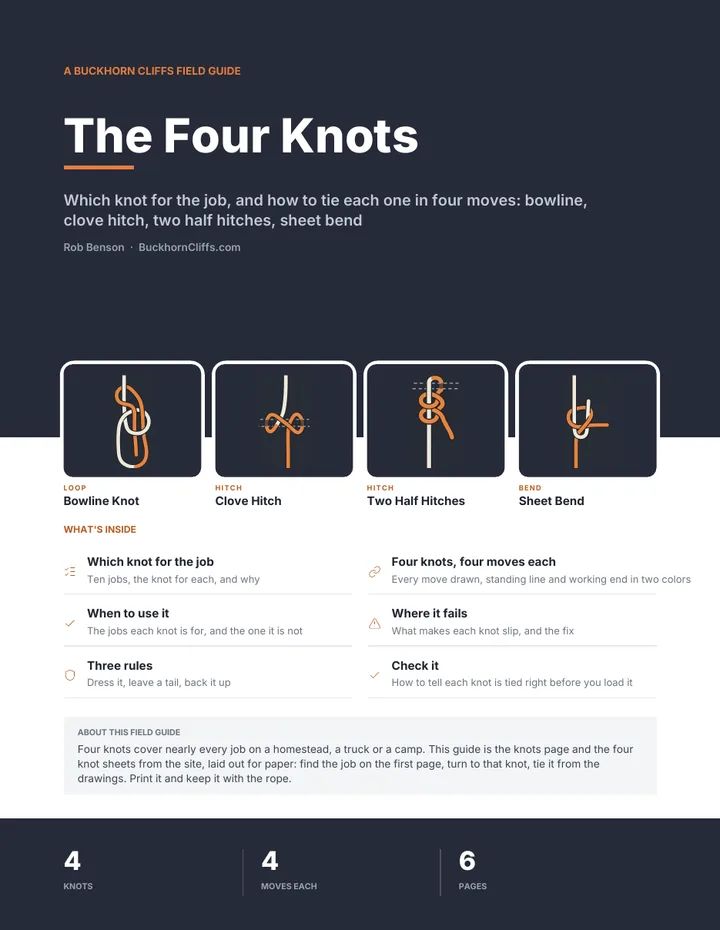
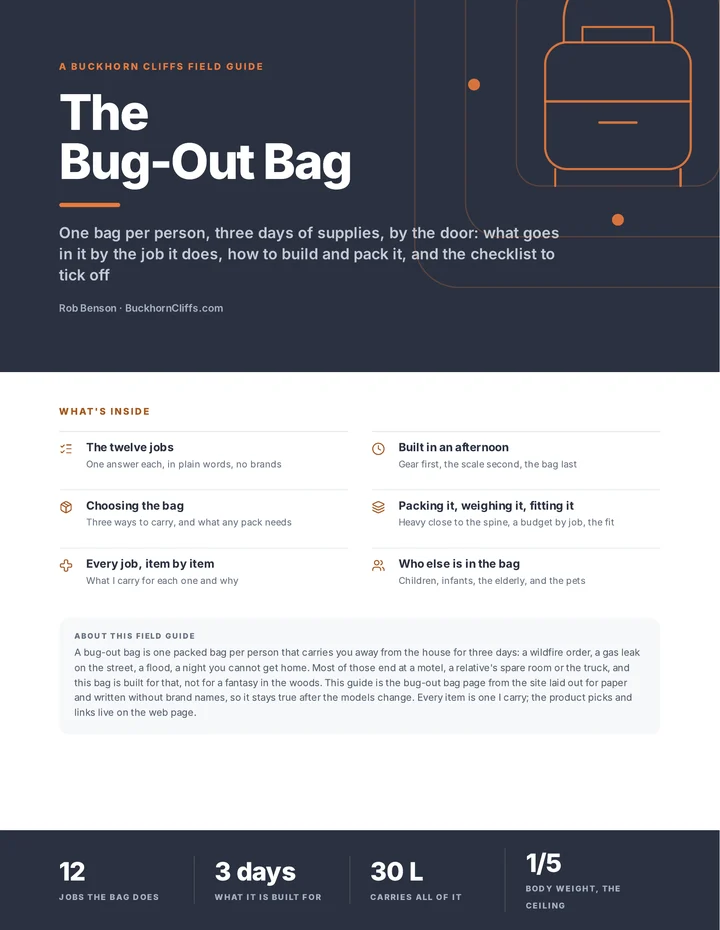
The most useful thing a membership gives you. Save any page on this site, recipes, charts, and whole field guides included. Arrange them in the order you want, name it, and print one manual with a cover and contents, or keep it as a PDF that opens with no signal.
- It works when this site does not
- Only your pages
- Anyone in the house can use it
- One current copy, not a pile of printouts
- The house binder
- A copy for the bug-out bag or truck
- A copy for family
- An offline PDF
Stay Ready
New entries, updates, and useful instruction.
Stay one step ahead on your preparedness journey.