1 TO 3 WEEKSFRIDGECULTUREDWorks without power
Quick facts
- Real shelf life
- Yogurt 1 to 2 weeks
- sour cream 1 to 3
- refrigerated
- FreezerYogurt 1 to 2 months; sour cream does not freeze well
- Best storage
- Below 40°F
- lid on
- spoon always clean
- Watch forMold, pink or orange spots, a watery top that smells sharp
Where this sits on the food shopping list
Yogurt and sour cream are cultured milk: bacteria have already soured them on purpose, which is why they outlast fresh milk and why a slightly sharper taste near the date is not the same as spoiled. They are fridge foods with no place in the deep pantry, but they earn a spot on this site for two reasons: a tub of live-culture yogurt is a starter for the next gallon, and in a short outage they are the first things worth eating.
Which to buy
Plain whole-milk yogurt with live and active cultures on the label, in the largest tub you will finish in two weeks. Flavored and fruit-on-the-bottom yogurts carry sugar and a shorter clock. Greek yogurt is the same milk with the whey strained off, so it holds its texture longer and freezes better. For sour cream, full fat keeps its body; the light and fat-free versions separate sooner. Skip anything with a dented or domed lid.
How long it really lasts
By how it is kept
| Form | Label says | Real, stored well |
|---|---|---|
| Yogurt, unopened or opened | Date on the lid | 1 to 2 weeks in the fridge, often a week past the date |
| Sour cream | Date on the lid | 1 to 3 weeks in the fridge |
| Yogurt, frozen | 1 to 2 months; grainy when thawed, fine for cooking and smoothies | |
| Sour cream, frozen | Separates and weeps; freeze only for baking | |
| Either one, on the counter | 2 hours above 40°F, then it's done |
Free download
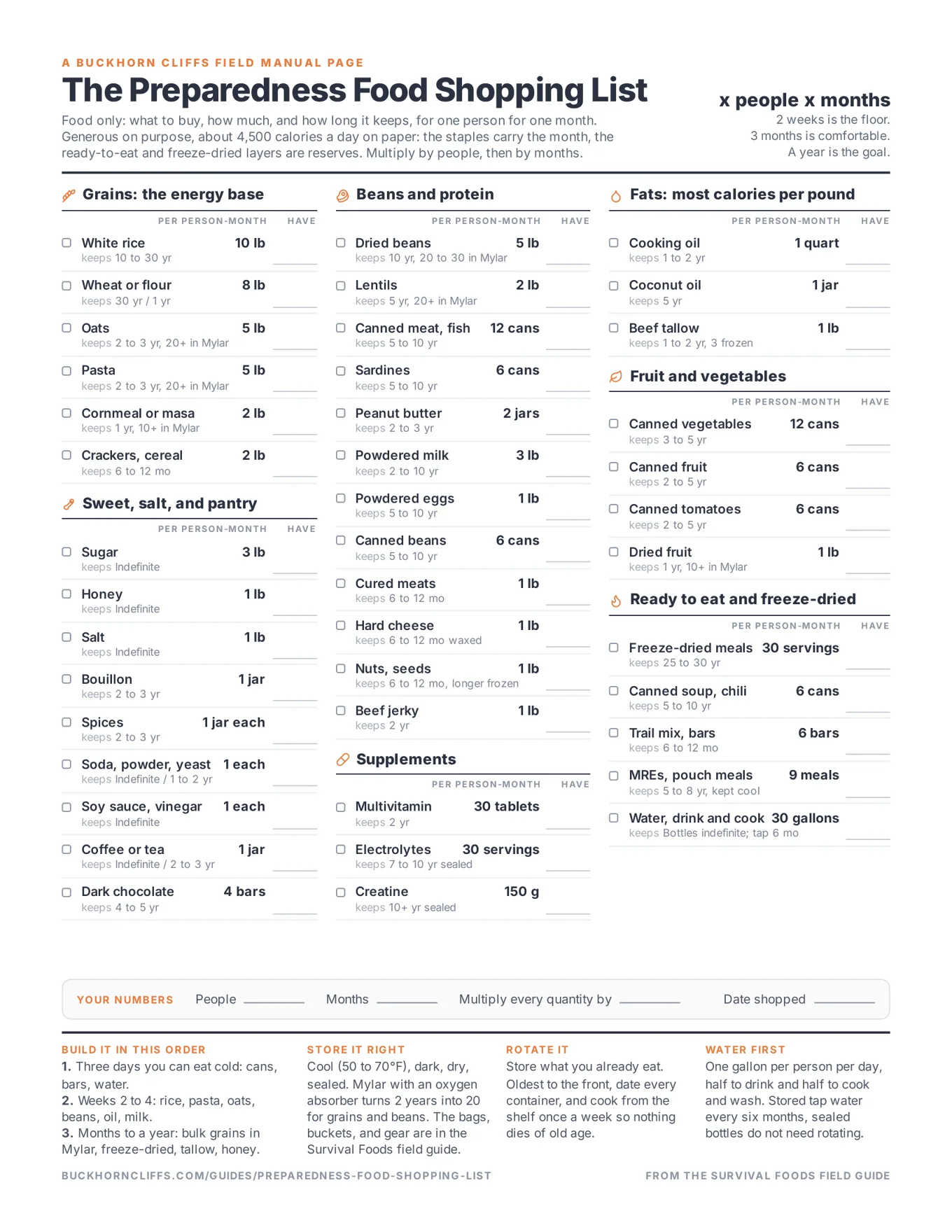
Get the one-page food shopping list
What to store, how much of it for one person for one month, and how long it keeps. One page with checkboxes, built from the Survival Foods field guide. Print it, multiply by your people and months, and take it to the store.
The PDF comes by email, with my newsletter now and then. Already on the list? You still get it. Read the full page.
How to store it
Back of the fridge, not the door, where the temperature swings every time it opens. Keep the lid on and use a clean spoon every time; a dirty spoon is how mold gets into a tub that would otherwise last. Once a tub is open, a piece of plastic wrap pressed onto the surface slows the watery whey and the skin. Yogurt can be frozen in the tub or in an ice cube tray for cooking later. Sour cream is better used up than frozen.
How to tell it has turned
Mold on the surface or the sides of the tub, in any color, and the whole tub goes, because the threads run deeper than the spot you can see. Pink, orange or yellow patches are bacteria or yeast and mean the same thing. A thin layer of clear liquid on top is whey and is normal; stir it back in. A sharper, yeasty or bubbly tub that smells like beer has fermented past eating.
Whey on top, a slightly sharper taste near the date, and sour cream that has thickened but smells clean.
Mold anywhere in the tub, colored patches, a fizzy or alcoholic smell, or anything left out of the fridge more than two hours.
How much, and how to use it
Plain yogurt is breakfast, a marinade that tenderizes meat, the base of a raita or tzatziki that stretches a small amount of meat, and a sour cream substitute everywhere. Two tablespoons of live-culture yogurt stirred into a quart of milk warmed to about 110°F and held warm for 6 to 10 hours is the next batch; save two tablespoons of that for the one after. Sour cream finishes soups, chili and baked potatoes and is the fat in biscuits and quick breads when the butter is gone. Neither one belongs in a 72 hour kit; both belong in the first day of a blackout, eaten before they warm.
When the power goes out
A closed fridge holds under 40°F for about 4 hours. Yogurt and sour cream are among the first things to eat in that window, after the milk. Past four hours without ice, they are done; cultured or not, the rule for dairy above 40°F is two hours. If the freezer is still frozen, move the tubs there with the ice packs and they buy another day.
Shelf-life figures are from the Survival Foods field guide; fridge, freezer and pantry times are from the USDA cold and pantry storage charts. Run the look, smell, taste check before eating anything past its date.
Questions this answers
Tap a question for the short answer.
How do I tell if yogurt & sour cream has gone bad?
Mold anywhere in the tub, pink or orange patches, or a fizzy, yeasty smell, and the whole tub goes. Clear whey on top and a slightly sharper taste near the date are normal.
How long does yogurt last?
One to two weeks in the fridge, and often a week past the date on the lid if it stayed cold and the lid stayed on. Frozen, one to two months, with a grainy texture that is fine for cooking.
How long does sour cream last?
One to three weeks refrigerated. It does not freeze well; it separates and weeps when thawed, so freeze it only for baking.
Can you make yogurt from store yogurt?
Yes. Two tablespoons of live-culture yogurt into a quart of milk warmed to about 110°F, held warm for 6 to 10 hours, makes the next batch. Save two tablespoons for the one after.
Keep going
Related to this
Membership · $49.95 per year
There is a lot more behind the lock
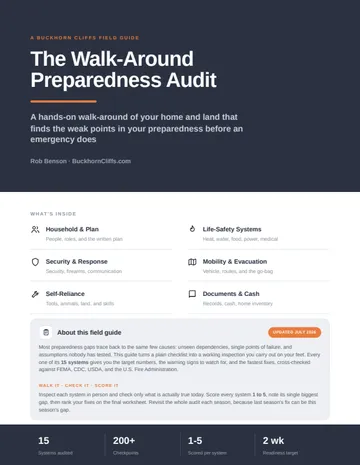
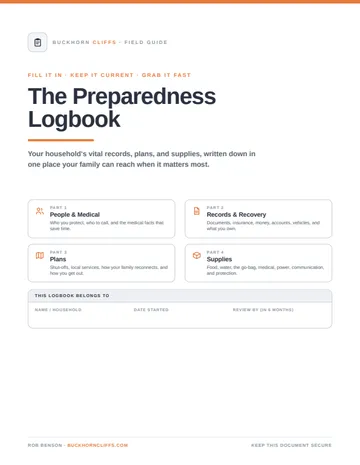
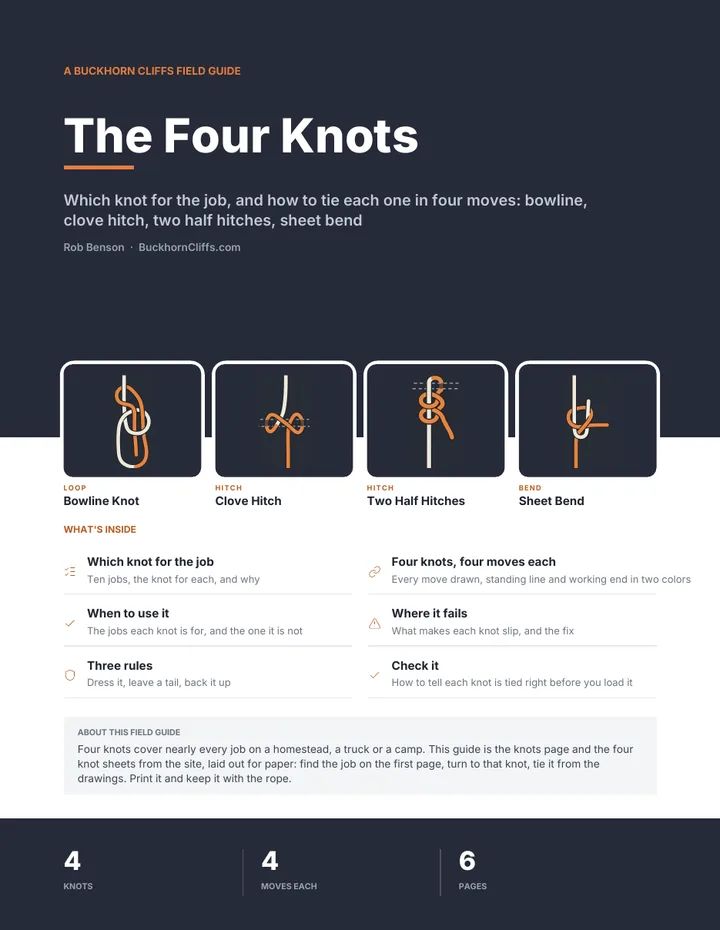
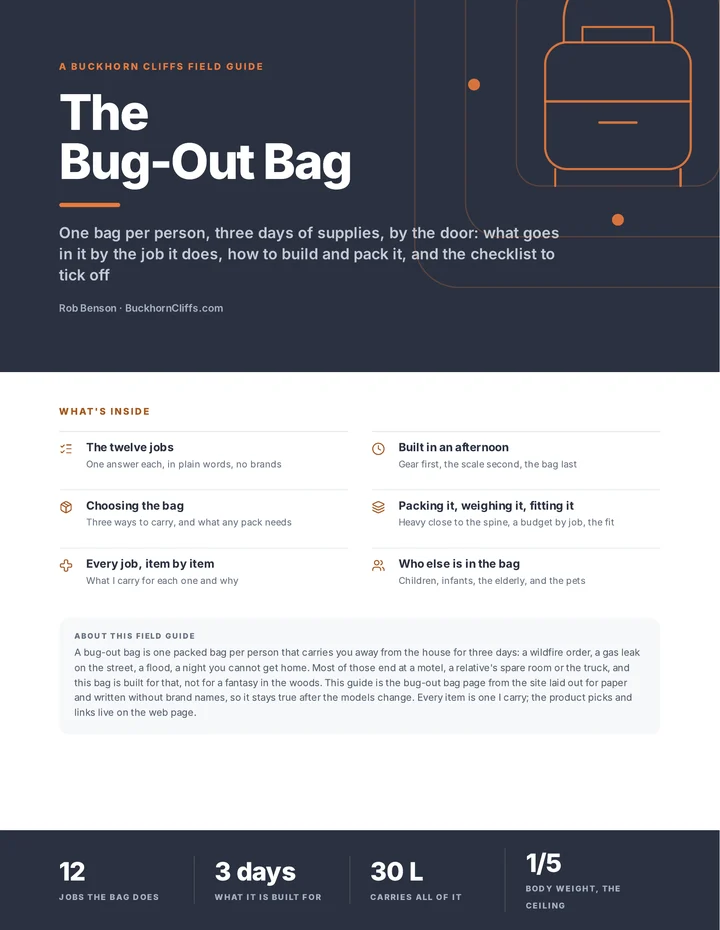
Every recipe and resource from the Prepper's Chemical Survival Guide, all eleven field guides to read here and download, the full audit and logbook, all twelve reference charts, and no ads.
My Manual · included
Build your own field manual
The most useful thing a membership gives you. Save any page on this site, recipes, charts, and whole field guides included. Arrange them in the order you want, name it, and print one manual with a cover and contents, or keep it as a PDF that opens with no signal.
- It works when this site does not
- Only your pages
- Anyone in the house can use it
- One current copy, not a pile of printouts
- The house binder
- A copy for the bug-out bag or truck
- A copy for family
- An offline PDF





Stay Ready
New entries, updates, and useful instruction.
Stay one step ahead on your preparedness journey.