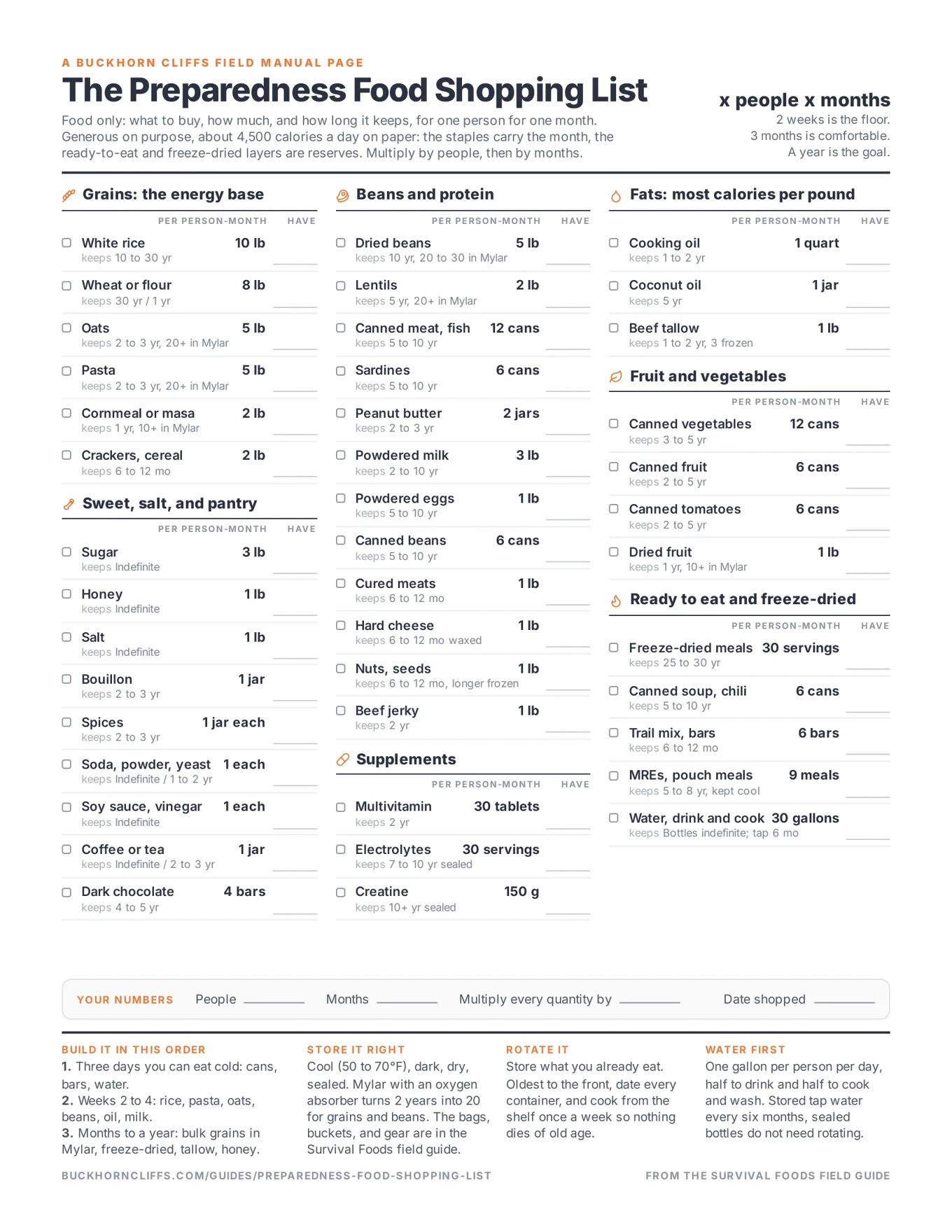
Survival spices to stock (10 picks with shelf life)
Lists 10 spices to stock with flavor profile and shelf life for each, plus culinary and claimed health uses.
Quick facts
Salt
Indefinite if stored in a cool, dry place
Cayenne, black pepper, cinnamon
Cayenne 5+ years in airtight glass, cool and dark; black pepper and cinnamon 2 to 3 years
Turmeric, cumin, coriander
2-3 years
Ginger
1-2 years
Cloves, nutmeg
Cloves 3-4 years or longer whole, 2-3 ground; nutmeg 4-5 years
As part of a proactive survival strategy, it's essential to consider not only the practical skills, supplies, and plans needed to weather emergencies and disasters but also the often-overlooked elements that can make a significant difference in your resilience. One such aspect is the strategic stockpiling of essential spices. These culinary options not only enhance the flavor of emergency rations but also offer medicinal properties. Here, I cover 10 indispensable spices to keep on hand for your family's self-reliance during challenging times.
Salt:
Flavor Profile: Purely salty taste, enhances and balances flavors in dishes. Is a mineral.
Shelf Life: Indefinite if stored properly in a cool, dry place. Does not lose potency or flavor over time.
Cayenne Pepper:
Flavor Profile: Fiery and pungent with a moderate to high level of heat.
Shelf Life: 5+ years vacuum-sealed or in airtight glass, cool and dark. It loses heat and color over time but stays safe.
Black Pepper:
Flavor Profile: Pungent and mildly spicy with a complex flavor profile.
Shelf Life: 2-3 years. May start to lose potency after 2 years and significantly diminish flavor after 3 years.
Cinnamon:
Flavor Profile: Warm and sweet with aromatic notes, often used in both sweet and savory dishes.
Shelf Life: 2-3 years. May start to lose potency after 2 years and significantly diminish flavor after 3 years.
Turmeric:
Flavor Profile: Earthy and slightly bitter with a warm, peppery aroma.
Shelf Life: 2-3 years. May start to lose potency after 2 years and significantly diminish flavor after 3 years.
Cumin:
Flavor Profile: Warm and nutty with a slightly bitter undertone, adds depth to dishes.
Shelf Life: 2-3 years. May start to lose potency after 2 years and significantly diminish flavor after 3 years.
Ginger:
Flavor Profile: Spicy and aromatic with a slightly sweet and pungent flavor.
Shelf Life: 1-2 years. May start to lose potency after 1 year and significantly diminish flavor after 2 years.
Coriander:
Flavor Profile: Citrusy and slightly sweet with a warm, aromatic flavor.
Shelf Life: 2-3 years. May start to lose potency after 2 years and significantly diminish flavor after 3 years.
Cloves:
Flavor Profile: Warm and sweet with a strong, aromatic flavor, often used in baking and spiced dishes.
Shelf Life: 3-4 years or longer as whole cloves, 2-3 years once ground. Whole spices always outlast ground, so store whole and grind as needed.
Nutmeg:
Flavor Profile: Warm and nutty with a slightly sweet and spicy flavor, commonly used in baking and savory dishes.
Shelf Life: 4-5 years. May start to lose potency after 4 years and significantly diminish flavor after 5 years.
Salt
Salt, chemically known as sodium chloride (NaCl), is an essential mineral compound composed of sodium and chloride ions. It plays a role in various biological processes, including nerve transmission, muscle contraction, and fluid balance. In culinary applications, salt is used not only to enhance flavor but also to preserve food and regulate fermentation processes. Additionally, salt is employed as a seasoning agent in cooking and baking, where it contributes to the development of complex flavor profiles and textural characteristics.
Enhances FlavorSalt interacts with taste receptors on the tongue, enhancing the perception of other flavors in food and providing a satisfying taste experience.
Preserves FoodSalt draws out moisture from food through osmosis, creating an inhospitable environment for bacteria and other microorganisms, thus preserving the food and extending its shelf life.
Balances SweetnessSalt can counteract excessive sweetness in dishes, creating a more balanced flavor profile by reducing the perception of sweetness on the palate.
Seasoning AgentSalt is a fundamental seasoning agent in cooking and baking, used to add depth, complexity, and balance to dishes.
Essential NutrientSodium and chloride, the components of salt, are essential electrolytes that play vital roles in maintaining fluid balance, nerve function, and muscle contraction in the body.
Controls FermentationSalt regulates the fermentation process in foods such as sauerkraut, pickles, and kimchi, inhibiting the growth of harmful bacteria while promoting the growth of beneficial microorganisms.
Enhances Food TextureSalt contributes to the texture of food by strengthening gluten in bread dough, tenderizing meat, and adding crunchiness to snacks like pretzels and chips.
Improves Food SafetySalt acts as a natural preservative, reducing the risk of foodborne illness by inhibiting the growth of pathogenic bacteria, molds, and yeasts.
Enhances Food AppearanceSalt can enhance the appearance of food by promoting browning during cooking and adding visual interest with coarse or flavored varieties.
Enhances Food Shelf LifeBy preserving food and inhibiting spoilage, salt extends the shelf life of perishable items, reducing food waste and ensuring a stable food supply.
Cayenne Pepper
Cayenne pepper, scientifically known as Capsicum annuum, is a spicy chili pepper belonging to the Capsicum genus. It contains a potent compound called capsaicin, which gives it its characteristic heat. Cayenne pepper is widely used in culinary and medicinal applications due to its intense flavor and various health benefits.
Enhances FlavorCayenne pepper adds a fiery kick and depth of flavor to dishes, enhancing the overall taste experience.
Boosts MetabolismCapsaicin in cayenne pepper has thermogenic properties, increasing metabolism and aiding in weight management.
Pain ReliefCapsaicin is a proven pain reliever when it is applied to the skin as a cream or patch for arthritis, muscle strains and nerve pain. Eating cayenne does not do the same job. Keep any capsaicin rub off broken skin and out of the eyes.
Promotes Digestive HealthCayenne pepper stimulates digestion by increasing saliva production and promoting gastric motility, aiding in nutrient absorption and relieving indigestion.
Cardiovascular HealthCapsaicin may help lower blood pressure and improve heart health by reducing cholesterol levels, triglycerides, and platelet aggregation.
Anti-inflammatory PropertiesCayenne pepper exhibits anti-inflammatory effects, reducing inflammation and swelling associated with conditions like arthritis and inflammatory bowel disease.
Antioxidant ActivityCapsaicin and other compounds in cayenne pepper possess antioxidant properties, scavenging free radicals and protecting cells from oxidative damage.
Supports DetoxificationCayenne pepper stimulates circulation and sweating, promoting detoxification and cleansing of the body.
Respiratory HealthCayenne pepper acts as a natural expectorant, helping to clear congestion, relieve coughs, and improve respiratory function.
Improves CirculationCapsaicin in cayenne pepper enhances blood flow and circulation, promoting cardiovascular health and reducing the risk of blood clots.
Black Pepper
Black pepper, scientifically known as Piper nigrum, is a widely used spice derived from the dried berries of the pepper plant. It is one of the most popular and versatile spices, valued for its distinct flavor and numerous health benefits.
Enhances FlavorBlack pepper has a pungent and mildly spicy flavor profile that adds depth and complexity to a wide range of dishes.
Digestive AidPiperine, the active compound in black pepper, stimulates the production of digestive enzymes, promoting efficient digestion and nutrient absorption.
Anti-inflammatory PropertiesPiperine exhibits anti-inflammatory effects, reducing inflammation and providing relief from conditions such as arthritis and joint pain.
Antioxidant ActivityBlack pepper contains antioxidants that scavenge harmful free radicals, protecting cells from oxidative damage and lowering the risk of chronic diseases.
Respiratory HealthBlack pepper has expectorant properties, helping to loosen mucus and alleviate symptoms of respiratory conditions like coughs and congestion.
Cardiovascular HealthBlack pepper may help lower blood pressure and cholesterol levels, reducing the risk of heart disease and stroke.
Immune SupportThe antioxidant and anti-inflammatory properties of black pepper can support overall immune function, helping the body fend off infections and diseases.
Cinnamon
Cinnamon, derived from the inner bark of several tree species from the genus Cinnamomum, is a beloved spice known for its warm and sweet flavor profile. In addition to its culinary uses, cinnamon offers various health benefits that can be advantageous in survival and homesteading situations.
Enhances FlavorCinnamon adds a warm and sweet flavor to both sweet and savory dishes, enhancing their taste and aroma.
Digestive AidCinnamon can aid digestion by stimulating the production of digestive enzymes and reducing gastrointestinal discomfort.
Blood Sugar: Cinnamon has been studied for diabetes, but the results are mixed and it does not replace medication. Common cassia cinnamon contains coumarin, which can stress the liver in large daily doses.
Antioxidant PropertiesCinnamon is rich in antioxidants, which help combat oxidative stress and inflammation, supporting overall health and well-being.
Anti-inflammatory EffectsCinnamon contains compounds with anti-inflammatory properties, which may help alleviate inflammation and associated symptoms, such as pain and swelling.
Antimicrobial ActivityCinnamon possesses antimicrobial properties that can help inhibit the growth of bacteria, fungi, and viruses, potentially reducing the risk of infections.
Heart HealthCinnamon may support heart health by improving circulation, lowering blood pressure, and reducing cholesterol levels, which are essential factors in maintaining cardiovascular well-being.
Immune SupportThe antioxidant and antimicrobial properties of cinnamon can support the immune system, helping to ward off infections and illnesses.
Turmeric
Turmeric, scientifically known as Curcuma longa, is a bright yellow-orange spice derived from the rhizomes of the turmeric plant. It is prized for its earthy flavor and vibrant color, as well as its potential health benefits that can be particularly useful in survival and homesteading scenarios.
Enhances FlavorTurmeric adds an earthy and slightly bitter flavor to dishes, complementing other spices and ingredients in various culinary preparations.
Anti-inflammatory PropertiesCurcumin, the active compound in turmeric, exhibits potent anti-inflammatory effects, which can help alleviate inflammation and associated symptoms, such as pain and swelling.
Antioxidant ActivityTurmeric contains antioxidants that scavenge harmful free radicals, protecting cells from oxidative damage and reducing the risk of chronic diseases.
Immune SupportThe anti-inflammatory and antioxidant properties of turmeric can support the immune system, helping the body fend off infections and diseases.
Digestive HealthTurmeric may promote digestive health by stimulating bile production, reducing bloating and gas, and alleviating symptoms of indigestion.
Joint HealthTurmeric can support joint health by reducing inflammation and pain associated with conditions like arthritis and rheumatism.
Wound HealingTurmeric has been traditionally used topically to aid in wound healing, thanks to its antimicrobial and anti-inflammatory properties.
Skin HealthTurmeric can improve skin health by reducing inflammation, fighting acne-causing bacteria, and promoting a healthy complexion.
Cumin
Cumin, scientifically known as Cuminum cyminum, is a versatile spice with a distinctive warm and nutty flavor. It is widely used in various cuisines around the world and offers several potential health benefits that can be advantageous in survival and homesteading contexts.
Enhances FlavorCumin adds a warm and earthy flavor to dishes, enhancing their taste and aroma.
Digestive AidCumin can aid digestion by stimulating the production of digestive enzymes and reducing gastrointestinal discomfort, bloating, and gas.
Antioxidant PropertiesCumin contains antioxidants that help combat oxidative stress and inflammation, supporting overall health and well-being.
Anti-inflammatory EffectsCumin possesses anti-inflammatory properties, which may help alleviate inflammation and associated symptoms, such as joint pain and swelling.
Immune SupportThe antioxidant and anti-inflammatory properties of cumin can support the immune system, helping the body fight off infections and diseases.
Heart HealthCumin may support heart health by lowering cholesterol levels, reducing blood pressure, and improving blood sugar control.
Respiratory HealthCumin has expectorant properties, helping to loosen mucus and alleviate symptoms of respiratory conditions like coughs and congestion.
Anti-microbial ActivityCumin exhibits antimicrobial properties that can help inhibit the growth of bacteria and fungi, potentially reducing the risk of infections.
Bone HealthCumin contains minerals like calcium and magnesium, which are essential for maintaining strong and healthy bones.
Weight ManagementSome research suggests that cumin may help with weight loss by increasing metabolism and reducing appetite, although more studies are needed to confirm these effects.
Ginger
Ginger, scientifically known as Zingiber officinale, is a pungent and aromatic spice with a long history of culinary and medicinal use. It offers a range of potential health benefits that can be particularly valuable in survival and homesteading situations.
Enhances FlavorGinger adds a spicy and slightly sweet flavor to dishes, enhancing their taste and aroma.
Digestive AidGinger can aid digestion by stimulating the production of digestive enzymes, reducing gastrointestinal discomfort, and alleviating symptoms of nausea and vomiting.
Anti-inflammatory PropertiesGinger contains bioactive compounds like gingerol and zingerone, which exhibit potent anti-inflammatory effects, helping to reduce inflammation and associated pain.
Antioxidant ActivityGinger is rich in antioxidants that help combat oxidative stress and inflammation, supporting overall health and well-being.
Immune SupportThe anti-inflammatory and antioxidant properties of ginger can support the immune system, helping the body fight off infections and diseases.
Nausea ReliefGinger's best evidence is for nausea in pregnancy. Studies have mostly not shown it to help motion sickness, and results for chemotherapy nausea are uncertain.
Pain ManagementGinger may help alleviate various types of pain, including menstrual cramps, headaches, and muscle soreness, thanks to its anti-inflammatory and analgesic properties.
Respiratory HealthGinger has expectorant properties, helping to loosen mucus and alleviate symptoms of respiratory conditions like coughs and congestion.
Anti-microbial ActivityGinger exhibits antimicrobial properties that can help inhibit the growth of bacteria and fungi, potentially reducing the risk of infections.
Stress ReductionSome research suggests that ginger may help reduce stress and anxiety levels by modulating neurotransmitter activity in the brain.
Coriander
Coriander, also known as cilantro or Chinese parsley, is a versatile herb with a fresh and citrusy flavor. Both its seeds and leaves are used in cooking and offer various potential health benefits that can be advantageous in survival and homesteading contexts.
Enhances FlavorCoriander adds a bright and citrusy flavor to dishes, enhancing their taste and aroma.
Digestive AidCoriander seeds can aid digestion by promoting the production of digestive enzymes, reducing bloating, gas, and indigestion.
Antioxidant PropertiesCoriander contains antioxidants that help combat oxidative stress and inflammation, supporting overall health and well-being.
Anti-inflammatory EffectsCoriander seeds possess anti-inflammatory properties, which may help alleviate inflammation and associated symptoms, such as joint pain and swelling.
Immune SupportThe antioxidant and anti-inflammatory properties of coriander can support the immune system, helping the body fight off infections and diseases.
Cholesterol RegulationCoriander seeds may help regulate cholesterol levels by increasing HDL (good) cholesterol and reducing LDL (bad) cholesterol.
Blood Sugar ControlCoriander seeds may help stabilize blood sugar levels by improving insulin sensitivity and reducing insulin resistance.
Anti-microbial ActivityCoriander seeds exhibit antimicrobial properties that can help inhibit the growth of bacteria and fungi, potentially reducing the risk of infections.
Skin HealthCoriander seeds may promote skin health by reducing inflammation, fighting acne-causing bacteria, and improving overall complexion.
Cloves
Cloves, scientifically known as Syzygium aromaticum, are aromatic flower buds derived from the clove tree. They have a warm and sweet flavor with a strong aroma, offering various potential health benefits that can be advantageous in survival and homesteading contexts.
Enhances FlavorCloves add a warm and sweet flavor to dishes, enhancing their taste and aroma.
Digestive AidCloves can aid digestion by promoting the secretion of digestive enzymes, reducing bloating, gas, and indigestion.
Pain ReliefCloves contain eugenol, a compound with analgesic properties that can help alleviate toothaches, headaches, and muscle pain.
Antioxidant PropertiesCloves are rich in antioxidants that help combat oxidative stress and inflammation, supporting overall health and well-being.
Anti-inflammatory EffectsCloves possess anti-inflammatory properties, which may help reduce inflammation and associated symptoms, such as joint pain and swelling.
Immune SupportThe antioxidant and anti-inflammatory properties of cloves can support the immune system, helping the body fight off infections and diseases.
Dental HealthCloves have been traditionally used for dental care due to their analgesic and antimicrobial properties, helping to alleviate toothaches and prevent oral infections.
Respiratory HealthCloves have expectorant properties, helping to loosen mucus and alleviate symptoms of respiratory conditions like coughs and congestion.
Blood Sugar RegulationCloves may help regulate blood sugar levels by improving insulin sensitivity and reducing insulin resistance.
Anti-microbial ActivityCloves exhibit antimicrobial properties that can help inhibit the growth of bacteria and fungi, potentially reducing the risk of infections.
Nutmeg
Nutmeg, scientifically known as Myristica fragrans, is a spice derived from the seed of the nutmeg tree. It has a warm and nutty flavor with a hint of sweetness, offering various potential health benefits that can be advantageous in survival and homesteading contexts.
Enhances FlavorNutmeg adds a warm and nutty flavor to dishes, enhancing their taste and aroma.
Digestive AidNutmeg can aid digestion by stimulating the secretion of digestive enzymes, reducing bloating, gas, and indigestion.
Pain ReliefNutmeg contains compounds like myristicin and elemicin, which have analgesic properties that can help alleviate pain and discomfort.
Antioxidant PropertiesNutmeg is rich in antioxidants that help combat oxidative stress and inflammation, supporting overall health and well-being.
Anti-inflammatory EffectsNutmeg possesses anti-inflammatory properties, which may help reduce inflammation and associated symptoms, such as joint pain and swelling.
Immune SupportThe antioxidant and anti-inflammatory properties of nutmeg can support the immune system, helping the body fight off infections and diseases.
Cognitive HealthNutmeg may support cognitive health by improving memory and concentration, thanks to its neuroprotective effects.
Dose Warning: Nutmeg is a seasoning, measured in pinches. A couple of teaspoons or more at once is a poisoning dose that brings hours to days of nausea, racing heart, confusion and delirium. Never use it as a sleep aid or a medicine.
Respiratory HealthNutmeg has expectorant properties, helping to loosen mucus and alleviate symptoms of respiratory conditions like coughs and congestion.
Heart HealthNutmeg may support heart health by improving blood circulation, reducing blood pressure, and lowering cholesterol levels.
Questions this answers
Tap a question for the short answer.
What spices should I stock for emergencies?
I stock 10: salt, cayenne pepper, black pepper, cinnamon, turmeric, cumin, ginger, coriander, cloves, and nutmeg. They make emergency rations taste better, and salt also preserves food and controls fermentation.
How long do spices last in storage?
Cayenne keeps 5 years or more vacuum sealed or in airtight glass, cool and dark. Black pepper, cinnamon, turmeric, cumin, and coriander keep 2 to 3 years, with potency fading after 2. Ginger lasts 1 to 2 years, whole cloves 3 to 4 years or longer, nutmeg 4 to 5 years, and salt keeps indefinitely in a cool, dry place.
Which spices have the longest shelf life?
Salt lasts indefinitely when kept cool and dry and never loses potency or flavor. Among the true spices, cayenne holds up longest at 5 years or more sealed airtight, whole cloves keep 3 to 4 years or longer, and nutmeg 4 to 5 years. Whole spices always outlast ground.
Does salt ever go bad?
No. Salt is a mineral, and stored properly in a cool, dry place it lasts indefinitely without losing potency or flavor over time.
How long does ground ginger last?
Ginger keeps 1 to 2 years. It may start losing potency after 1 year, and the flavor drops off significantly after 2 years, which makes it the shortest-lived spice on my list of 10.
Every recipe and resource from the Prepper's Chemical Survival Guide, all six field guides to read here and download, the full audit and logbook, all twelve reference charts, and no ads.
My Manual · included
Build your own field manual
The most useful thing a membership gives you. Save any page on this site, recipes, charts, and whole field guides included. Put them in your order, name it, and print one manual with a cover and contents, or keep it as a PDF that opens with no signal.